

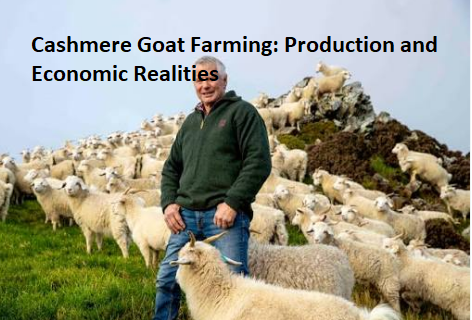
Cashmere goat farming represents a unique intersection of luxury textile production and traditional livestock management. Producers who engage in this specialized form of agriculture focus on the fine undercoat fibers produced by specific breeds of goats, which are highly prized for their softness and thermal properties. Understanding the nuances of breed selection, fiber harvesting, and market demands is essential for anyone considering this venture as a commercial enterprise or a small-scale hobby operation.
The financial viability of such operations often begins with the initial investment in breeding stock. A high-quality, registered cashmere buck typically costs between $500 and $1,500, while a doe with proven fiber characteristics may range from $300 to $800.
These figures reflect the animal’s lineage, the micron count of its fleece, and its general health history. Prospective farmers should prioritize purchasing from reputable breeders who provide performance data on their herd’s output.
Land and Infrastructure Requirements
Raising these animals requires thoughtful land management to ensure both herd health and pasture longevity. While cashmere goats are hardy, they are browsers rather than grazers, meaning they prefer brush, weeds, and tree leaves over standard pasture grasses. Providing roughly one to two acres of well-managed brushy land can support a small herd of five to ten goats, though stocking rates depend heavily on the quality of available forage.
Fencing is perhaps the most significant infrastructure expense for a new operation. Cashmere goats are notorious escape artists and require woven wire fencing at least 48 inches high to keep them secure.
Predators remain a constant threat, necessitating the use of livestock guardian dogs or secure night enclosures. Budgeting for these protective measures is a non-negotiable step in the business plan.
Understanding Fiber Quality and Economics
The primary product of this agricultural niche is the downy undercoat, which is shed seasonally as temperatures rise. A single goat produces a relatively small amount of usable fiber, typically ranging from 100 to 300 grams per year. Because the total output per animal is low, profitability relies heavily on the quality, color, and cleanliness of the raw product.
Fiber quality is measured primarily by diameter, with the most valuable cashmere measuring 15 to 19 microns. White fiber is generally more valuable than colored fiber because it can be dyed any color during the manufacturing process. Farmers who can consistently produce high-yield, fine white fiber often find themselves with a more stable and lucrative market base.
Geographic Suitability and Climate
Cashmere goats are remarkably adaptable to various climates, though they perform best in regions with distinct, cold winters. The cold stimulates the growth of the thick, insulating undercoat that constitutes the harvestable fiber. Many successful operations in the United States are found in regions like Texas, Montana, and the Pacific Northwest, where the terrain provides the brushy forage these animals prefer.
Extremely humid environments can be challenging for these animals, as they are susceptible to internal parasites and hoof rot. Proper drainage and access to dry, covered shelter during wet months are essential for maintaining herd health. Farmers in damp climates must implement rigorous parasite management programs to ensure their goats remain productive and healthy throughout the year.
Common Expenses for Small-Scale Farms
Operating a farm involves ongoing costs that extend well beyond the initial purchase of livestock. Feed supplements, veterinary care, and shearing services represent the bulk of the annual operating budget. Proper record-keeping allows farmers to track which goats are the most efficient producers, enabling them to make informed culling and breeding decisions.
| Expense Category | Estimated Annual Cost per Goat |
|---|---|
| Supplemental Feed and Hay | $100 – $150 |
| Routine Veterinary/Vaccines | $40 – $70 |
| Shearing Supplies/Labor | $15 – $30 |
| Maintenance/Fencing Depreciation | $20 – $50 |
The Harvesting Process
Harvesting the fiber is a labor-intensive process that occurs once per year, usually in the spring. Producers must carefully time the harvest to coincide with the animal’s natural shedding cycle to ensure maximum yield. Some farmers use specialized combs to manually harvest the down, while others prefer professional shearing, which can be faster but requires more skill to avoid damaging the fiber.
Contamination is the greatest enemy of a profitable harvest. Vegetable matter, such as burrs, twigs, and straw, can significantly lower the grade of the raw cashmere. Farmers must maintain clean living conditions for the goats in the weeks leading up to the harvest to ensure the fiber remains free of debris.
Marketing and Value-Added Products
Selling raw fiber to commercial mills often yields lower margins than direct-to-consumer sales or value-added processing. Many successful producers choose to spin their own yarn or partner with local mills to create finished goods like scarves, sweaters, or blankets. This approach allows the farmer to capture the retail markup that would otherwise go to processors and retailers.
Selling breeding stock is another common revenue stream for established herds. By focusing on genetic improvement and documenting fiber performance, farmers can sell registered goats to other enthusiasts or commercial operations. This secondary market often provides more consistent cash flow than relying solely on raw fiber production.
Herd Management Best Practices
Maintaining a healthy herd requires constant attention to nutrition and preventative healthcare. A balanced diet, supplemented by minerals specifically formulated for goats, is essential for fiber growth and reproductive success. For detailed guidance on animal health standards, visit the USDA Animal and Plant Health Inspection Service website to stay updated on current regulations and biosecurity protocols.
Regular hoof trimming and parasite monitoring are critical tasks that cannot be neglected. A goat with poor hoof health will struggle to forage effectively, which directly impacts its body condition and fiber output. Developing a relationship with a local veterinarian who specializes in small ruminants is a proactive step that protects the farm’s primary assets.
Strategic Growth and Scalability
Scaling a herd requires a careful balance between population growth and available resources. Introducing new animals into an established herd can introduce disease, so quarantine procedures for new arrivals are essential. Expanding slowly allows the farmer to learn the specific needs of their goats while managing the increased costs of feed and infrastructure.
* Establish a core herd of high-performing, proven does.
* Retain the best female offspring to grow herd size naturally.
* Invest in a high-quality buck to improve genetics over time.
* Diversify income streams between fiber, yarn, and livestock sales.
* Build a local brand based on the quality of the fiber produced.
Frequently Asked Questions
Are cashmere goats difficult to keep healthy?
Cashmere goats are generally hardy animals, but they are sensitive to internal parasites and wet conditions. They require consistent access to clean water, high-quality hay during winter months, and routine medical care like vaccinations and hoof trimming. If you maintain a clean environment and monitor for common goat ailments, they are no more difficult to manage than other small ruminant breeds.
How much space do I need for a small herd?
The amount of space depends on the available forage, but a general rule of thumb is that you can keep five to ten goats per acre of brushy, well-managed land. If your land consists primarily of grass, you will need to supplement their diet with hay, which increases your operational costs. Always prioritize providing enough space to prevent overgrazing and the buildup of parasite larvae.
Can I make a full-time living from fiber production alone?
Most small-scale farmers find it difficult to make a full-time living from fiber sales alone due to the low output per animal. Profitability usually comes from a combination of selling high-quality fiber, producing value-added goods like hand-spun yarn, and selling breeding stock to other farmers. Success requires a business model that treats the operation as a diversified agricultural enterprise rather than a single-product commodity farm.
How do I know if my goats are producing quality cashmere?
Quality is determined by the fiber’s diameter, length, and color. You can send samples of your goats’ fiber to specialized testing laboratories that provide objective data on micron counts. These tests are essential for breeding programs, as they help you identify which animals to keep and which to cull based on their genetic contribution to the herd’s overall fleece quality.
What are the primary predators to watch out for?
Predator pressure varies by region, but coyotes, bobcats, and stray dogs are common threats to smaller goats. Effective protection often requires a combination of physical barriers, such as tall woven wire fences, and active protection, such as livestock guardian dogs or donkeys. Regardless of the method, keeping the herd secure at night is the most effective way to prevent losses from local predators.
Conclusion
Starting a venture in this field requires patience, attention to detail, and a clear understanding of market dynamics. While the prospect of producing luxury fiber is appealing, it is the disciplined management of herd health and genetic quality that determines long-term success. By focusing on high-grade fiber production and diversifying into value-added products, farmers can build a sustainable and rewarding operation.
Those interested in entering the world of cashmere goat farming should begin by connecting with local breeders and agricultural extension offices to learn about regional specifics. Building a strong foundation with healthy stock and proper infrastructure provides the best chance for growth. As you refine your practices and improve your herd’s genetics, you will find that the rewards of this niche industry extend far beyond the seasonal harvest.
