

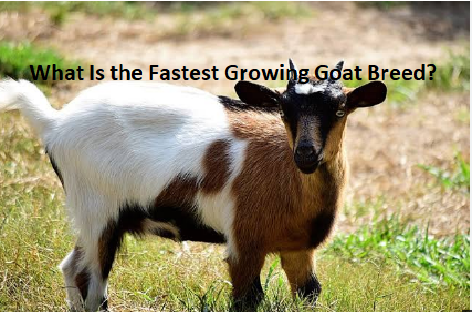
Identifying the fastest growing goat breed is a primary concern for producers looking to maximize their return on investment in the meat industry. While several breeds offer impressive performance metrics, the Boer goat is widely recognized by agricultural experts as the industry standard for rapid weight gain and muscle development.
Selecting the right animal for your operation determines how quickly you can reach target market weights. By focusing on genetic potential for growth, farmers can significantly shorten the time between birth and harvest. This efficiency reduces overhead costs related to feed, labor, and veterinary care.
The Boer Goat as the Industry Leader
The Boer goat stands out as the fastest growing goat breed due to its unique genetic history and selection for meat production. Originating in South Africa, these animals were selectively bred for their ability to thrive in harsh conditions while maintaining high growth rates. Their frame is specifically designed to carry heavy muscle mass, which translates into higher carcass yields.
A typical Boer kid can reach a market-ready weight of 60 to 80 pounds in just four to six months with proper nutrition. This rapid maturation cycle is significantly faster than that of traditional dairy-influenced breeds. When crossbred with other hardy stock, the Boer influence continues to dominate, passing on the “meat-type” characteristics that define modern commercial production.
Producers prioritize the Boer because of its exceptional feed conversion ratio. These goats efficiently turn forage and supplemental grain into lean protein rather than excess fat. This biological efficiency is the primary driver behind their status as the premier choice for commercial meat operations across the United States and beyond.
Factors Influencing Growth Rates
Genetics provide the ceiling for growth, but environmental factors dictate how close an animal gets to that potential. Nutrition is the most critical variable after genetics. A balanced diet consisting of high-quality protein, essential minerals, and adequate energy is required to support the rapid skeletal and muscular development inherent in the fastest growing goat breed.
Water consumption also plays a hidden but vital role in growth rates. Goats that lack access to clean, fresh water will limit their feed intake, which immediately slows their metabolic rate. Consistent hydration ensures the digestive tract functions optimally, allowing the animal to process nutrients effectively and maintain a steady growth curve.
Parasite management is another major hurdle that can derail even the best genetic stock. Internal parasites like the barber pole worm rob the animal of nutrients, leading to weight loss and stunted growth. Frequent monitoring and a proactive health protocol are necessary to keep the herd performing at its peak.
Comparative Performance Metrics
When analyzing the fastest growing goat breed, it is helpful to look at how different breeds compare in real-world conditions. While the Boer consistently holds the top spot, other breeds like the Kiko or the Spanish goat offer different advantages in terms of hardiness. The following table highlights typical growth expectations based on standard production practices.
| Breed | Average Daily Gain (lbs) | Market Readiness (Months) |
|---|---|---|
| Boer | 0.45 – 0.60 | 4 – 5 |
| Kiko | 0.35 – 0.45 | 5 – 6 |
| Spanish | 0.25 – 0.35 | 6 – 8 |
| Nubian (Meat cross) | 0.30 – 0.40 | 6 – 7 |
These figures reflect optimal management scenarios where nutrition and parasite control are prioritized. Individual results will vary based on regional forage quality and specific bloodlines. You can find more detailed information on livestock management through the United States Department of Agriculture research archives for standardized growth data.
The Role of Hybrid Vigor
Crossbreeding often yields animals that grow faster than purebreds due to a phenomenon known as heterosis, or hybrid vigor. By crossing a Boer buck with a doe from a hardy breed like the Kiko, producers often see offspring that inherit the Boer’s growth rate and the Kiko’s parasite resistance. This combination is highly sought after by commercial ranchers.
Hybrid vigor manifests in better survival rates and stronger immune systems, which indirectly supports faster growth. A healthy, robust kid that does not experience early-life setbacks will grow more consistently than one that struggles with illness. When planning your breeding program, consider how crossing different breeds might amplify the strengths of each parent.
Maintaining records is essential to track these gains. By tagging kids and weighing them at specific intervals, you can identify which crossbreeding combinations perform best on your specific land. Data-driven decisions allow you to refine your herd over several generations to maximize profitability.
Nutritional Requirements for Rapid Growth
Feeding for rapid growth requires a shift from simple maintenance to a production-oriented strategy. Young kids need high levels of protein to build muscle mass during their first six months of life. Alfalfa hay or high-quality pasture provides the necessary amino acids that grains alone often lack.
Mineral supplementation is frequently overlooked but is vital for bone density. A goat growing at a high rate of speed puts significant stress on its skeletal structure. Providing a balanced loose mineral mix specifically formulated for goats helps prevent deficiencies that could lead to lameness or joint issues.
Creep feeding is a common technique used to accelerate the growth of suckling kids. By providing a small, protected area where only the kids can access high-energy feed, you can supplement their mother’s milk. This practice leads to weaning weights that are significantly higher than those achieved through grazing alone.
Economic Impacts of Selection
The decision to invest in the fastest growing goat breed has direct financial implications for the bottom line. Faster growth means the animals spend less time on the farm, which reduces the total amount of feed required per pound of meat produced. Every month an animal stays on the farm is a month of additional labor and input costs.
Marketing also becomes more flexible when you have high-performing animals. If the market price for goat meat is low, a producer with fast-growing animals has the option to hold them for a few extra weeks to hit a better price point without the risk of the animals becoming over-conditioned or fat. Conversely, in a high-demand market, these animals can be turned over quickly to capture short-term profits.
Investing in high-quality breeding stock is an upfront cost that pays off over multiple seasons. A superior buck can improve the growth rates of dozens of kids in a single season. The cumulative effect of these genetic improvements over five to ten years is substantial for any commercial operation.
Common Challenges in High-Growth Herds
Managing high-performance goats requires a higher level of oversight than managing a low-maintenance, extensive herd. Because these animals are bred for production, they are often less resilient to neglect. If a high-growth goat misses a nutritional requirement, the physiological strain is more pronounced than in a less productive animal.
Over-conditioning is a risk in some production environments. While you want them to grow fast, you do not want them to become overly fat, which can lead to reproductive issues in does destined for the breeding pool. Monitoring body condition scores is a necessary task to ensure that growth is focused on muscle rather than excessive fat storage.
Infrastructure needs may also increase as your herd quality improves. Faster-growing animals tend to be more active and may require more robust fencing to stay contained. Additionally, as the herd grows, you may need more sophisticated sorting and handling facilities to manage the increased volume of market-ready animals.
Frequently Asked Questions
Is the Boer goat the only fast-growing option?
While the Boer is the industry standard, other breeds like the Kiko and certain Savanna lines also exhibit excellent growth rates. Some producers prefer these breeds if their land is rugged or if they want to reduce reliance on chemical parasite treatments, as these breeds are often more resilient.
How many acres do I need for a commercial herd?
The number of acres depends entirely on the forage quality and your management style. Generally, you can stock 4 to 8 goats per acre if you use intensive rotational grazing. Without rotation, the carrying capacity drops significantly, and parasite risks increase.
Does the fastest growing goat breed require more feed?
Yes, high-growth animals have higher metabolic requirements. They need higher-quality feed to sustain their rapid muscle development. While they consume more per day, the total feed cost per pound of gain is often lower than that of slower-growing breeds because they reach market weight faster.
What is the most profitable way to sell meat goats?
Selling directly to consumers or at ethnic markets often yields the highest profit margins. Wholesale auction markets provide convenience but usually offer lower prices per pound. Establishing a consistent customer base for seasonal holidays or local restaurants can significantly improve your annual revenue.
How do I know if my goats are growing fast enough?
You should weigh your kids at birth, at weaning, and monthly until they reach market weight. If your Boer or Boer-cross kids are gaining less than 0.3 pounds per day, you should review your nutritional program and parasite management. Consistent record-keeping is the only way to accurately track performance.
Conclusion
Choosing the fastest growing goat breed is a foundational step toward building a successful and profitable livestock business. While the Boer goat consistently leads the market in growth potential, your specific success will depend on how well you manage nutrition, health, and genetics within your unique environment. Prioritizing high-quality breeding stock and maintaining strict health protocols will ensure your herd reaches its full potential.
Ultimately, goats that grow quickly offer the best path to reducing production costs and increasing turnover. By focusing on these metrics, you can create a resilient, efficient, and profitable operation that thrives in the competitive meat market. If you are starting or expanding your herd, focus on these growth indicators today to see real improvements in your bottom line by the next season.
