

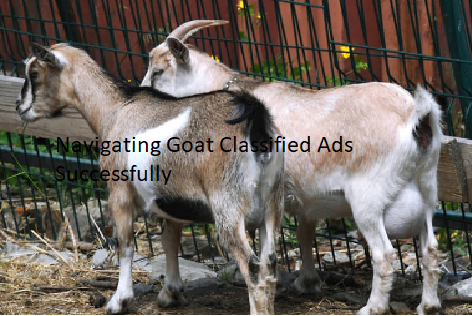
Finding high-quality livestock often begins with browsing goat classified ads. Whether you are seeking a registered dairy doe, a wether for brush clearing, or a companion animal, these platforms serve as the primary marketplace for small-scale breeders and hobby farmers alike. Understanding how to interpret these listings can save you significant time and prevent costly mistakes in your agricultural journey.
The most common price range for a standard goat in the United States currently falls between $150 and $400. However, purebred animals with strong show lineages or high milk production records often command prices ranging from $600 to $1,200. Miniature breeds, such as Nigerian Dwarfs, frequently sit at the higher end of this spectrum due to their popularity as pets and their lower feed requirements.
If you see animals listed for significantly less than $100, they are often older, non-registered, or being sold by owners looking for immediate placement. Always verify the health status of these low-cost options, as the price may reflect underlying management issues or parasites.
Evaluating Listing Credibility
When you browse goat classified ads, the quality of the advertisement itself is often a direct reflection of the breeder’s management style. A serious seller will provide detailed information regarding the animal’s age, breed, registration status, and health history. If a listing lacks basic details, it is a red flag that the seller may not be keeping accurate records or providing necessary vaccinations.
Look for ads that include high-resolution photos taken in a clean environment. A seller who takes the time to photograph the goat standing squarely on a level surface is likely proud of their livestock.
Avoid ads that only feature blurry, distant photos or images taken inside a dark, cramped barn. These photos are sometimes used to hide physical defects or poor body condition.
Check for mentions of testing status, particularly for CAE, CL, and Johne’s disease. Responsible breeders will often state that their herd is “tested clean” or provide documentation upon request.
If the ad mentions that the goat is “disbudded,” it means the horns were removed as a kid, which is a standard safety preference for many owners. Always ask for the specific date of the last vaccination, such as CDT, to ensure the animal is protected.
Geographic Considerations in Livestock Sales
Transportation costs often dictate the true price of an animal found through online listings. You might find a bargain in a neighboring state, but the cost of a livestock trailer, fuel, and time can quickly negate any savings. Most buyers find that limiting their search to a 200-mile radius is the most cost-effective strategy for small-scale operations.
If you must travel long distances, factor in the stress on the goat. Goats are social herd animals and do not handle isolation or long travel well.
If you are buying a single goat, ensure you have a plan to integrate it into your existing herd immediately upon arrival. Some sellers may offer delivery for an additional fee, but this is rarely cheaper than picking up the animal yourself.
Use regional search terms when browsing to narrow down your results to local farms. Websites like the American Dairy Goat Association offer resources that can help you verify if a breeder is active in local clubs.
Connecting with these organizations often leads to private sales that never make it to public classified platforms. Networking in this way ensures you are buying from someone with a reputation to uphold.
Understanding Breed Pricing Variations
Not all goats are priced equally, as specific traits drive the market value in different directions. Dairy goats, such as Alpines or Nubians, are priced based on their dam’s milk production records. Meat goats, like Kikos or Boers, are valued by their weight gain potential and muscle structure.
Market Comparison Table
| Breed Type | Primary Value Factor | Estimated Price Range |
|---|---|---|
| Nigerian Dwarf | Size and Temperament | $300 – $800 |
| Boer (Meat) | Frame and Growth Rate | $250 – $600 |
| Nubian (Dairy) | Milk Yield/Lineage | $400 – $1,000 |
| Brush/Mixed | Utility/Clearing | $100 – $250 |
The table above illustrates how purpose influences cost. A meat-focused buyer prioritizes weight and hardiness, while a dairy enthusiast looks for specific udder attachment and lactation consistency. Always define your goals before you begin contacting sellers to ensure you are looking at the right category of animals.
Red Flags in Online Classifieds
Scams are unfortunately common in the world of online livestock sales. If a seller insists on receiving a deposit via untraceable methods like wire transfers or gift cards, walk away immediately. Legitimate sellers will always accept cash in person or a check at the time of pickup.
Be wary of ads that seem too good to be true, such as a high-quality registered doe being sold for $50. These are often “bait” listings designed to gather your contact information for spam or phishing. Never provide your social security number or bank details to a seller under any circumstances.
A common tactic involves the seller claiming they are moving abroad and need to “rehome” their goats for free, only asking you to pay for the shipping. This is a classic advance-fee fraud.
The goats do not exist, and the shipping company is simply another arm of the scam. If you cannot visit the farm to see the animals, do not complete the transaction.
Preparing for the Farm Visit
Once you have identified a potential goat through classified ads, schedule a visit to inspect the animal in person. Wear boots that can be disinfected to avoid tracking pathogens onto the breeder’s property. A respectful buyer asks for permission before touching the animals and observes them from a distance first.
Check the animal’s eyes, nose, and tail area for signs of discharge or scours, which can indicate parasites or illness. Ask to see the rest of the herd to gauge the overall cleanliness of the farm. If the other goats appear lethargic or thin, it is a strong indicator that the animal you are interested in may also be compromised.
Ask the owner about the diet the goat is currently receiving. Abrupt changes in feed can cause significant digestive distress, leading to conditions like enterotoxemia. Request a small amount of their current hay or grain to transition the goat onto your own feed slowly over the course of a week.
Legal and Documentation Requirements
Transferring ownership involves more than just a handshake. If you are purchasing a registered animal, ensure the seller provides the registration papers signed for transfer. Check that the tattoo or microchip number on the animal matches the paperwork provided.
Some states require a Certificate of Veterinary Inspection (CVI) for interstate movement of livestock. This document is essentially a health passport that proves the animal has been examined by a veterinarian within a specific timeframe. Verify your state’s Department of Agriculture website for current import requirements before you finalize your purchase.
Keep a binder of all documentation for every goat you own. This should include vaccination records, deworming schedules, and any registration certificates. Having this information organized will make your life much easier if you ever decide to sell your own animals in the future.
The Importance of Herd Health
Buying a new goat is the most common way diseases are introduced into a healthy herd. Even if the animal looks healthy, it is standard practice to implement a quarantine period. Keep the new arrival separate from your existing goats for at least 30 days.
During this time, observe the animal for any signs of illness that may have been masked by stress. This period also allows you to perform any necessary tests or treatments without risking the health of your established animals. It is a small inconvenience that prevents a potential catastrophe for your entire farm.
Consult with a local large-animal veterinarian about the specific health challenges in your area. They can advise you on the necessary vaccines and parasite management programs for your region. Being prepared before the goat arrives is the hallmark of a successful and responsible owner.
Frequently Asked Questions
How many goats do I need to start?
Goats are herd animals and suffer from severe stress if kept alone. You should start with at least two goats to ensure they have the companionship they require for a healthy life.
What is the cheapest way to buy a goat?
The most affordable goats are typically found at local livestock auctions or by purchasing wethers (castrated males) from small farms. However, these animals may lack health records, so you must factor in the potential cost of veterinary care.
Do I need a license to own goats?
Most rural areas do not require a license, but municipal zoning laws in suburban or urban areas often have strict regulations. Always check your local city or county ordinances regarding livestock density and housing requirements before bringing goats home.
How do I know if a goat is healthy?
A healthy goat should have a bright, curious expression, a shiny coat, and firm stools. Avoid animals that are hunched up, have matted fur, or show signs of heavy nasal discharge or coughing.
Can I find goats for free?
While some people do give away goats, usually older animals or those with behavioral issues, “free” goats can be very expensive in terms of medical bills. Always prioritize the health and history of the animal over the initial purchase price.
Building Your Future Herd
Successfully using goat classified ads requires a mix of skepticism, preparation, and clear goal-setting. By focusing on reputable sellers and prioritizing the health of your future animals, you can build a productive and enjoyable herd. Start by identifying the specific traits you need, then use the tips above to evaluate the listings you find.
Remember that the process of acquiring livestock is an investment in your farm’s future. Take the time to ask questions, verify documentation, and observe the animals in their home environment. Whether you are adding to an existing operation or just starting out, patience is your best asset.
If you have questions about specific breeds or local requirements, reaching out to local agricultural extension offices is a great next step. Happy searching as you look through the latest goat classified ads to find the perfect addition to your land.
