

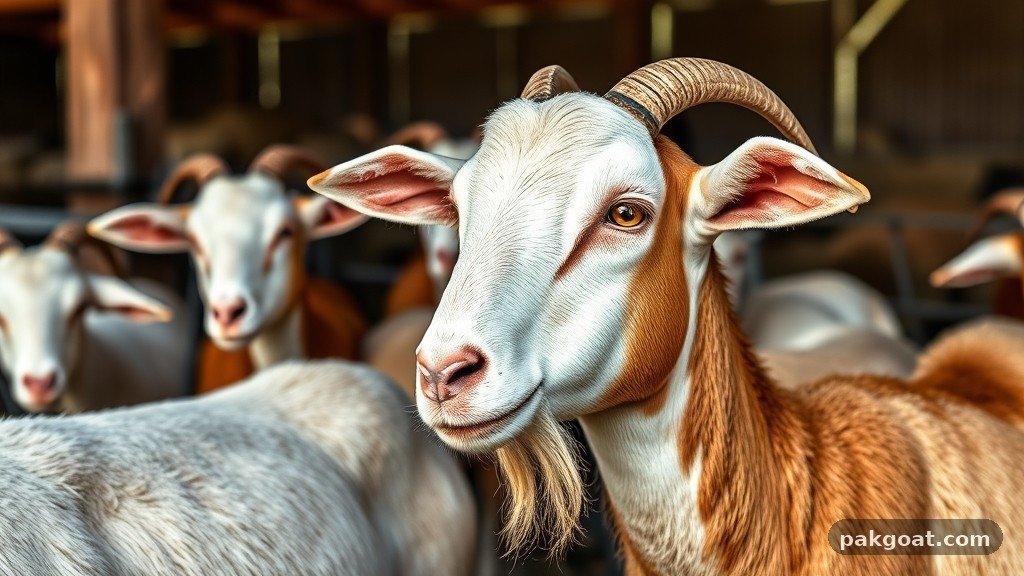
Understanding goat farm income requires looking beyond simple market prices to the operational costs, scale, and specific niche markets that define this agricultural sector. Many new farmers enter the industry expecting rapid returns, but sustainable profitability usually hinges on diversifying revenue streams through meat, dairy, fiber, and agritourism.
While exact figures vary significantly based on location and management style, a small-scale operation typically sees annual net returns ranging from $100 to $300 per doe. If you manage a herd of 50 animals, you might expect a modest annual profit of $5,000 to $15,000, assuming you have optimized your feed costs and veterinary overhead. These numbers fluctuate based on whether you sell direct-to-consumer or participate in wholesale livestock auctions.
Primary Revenue Streams for Goat Operations
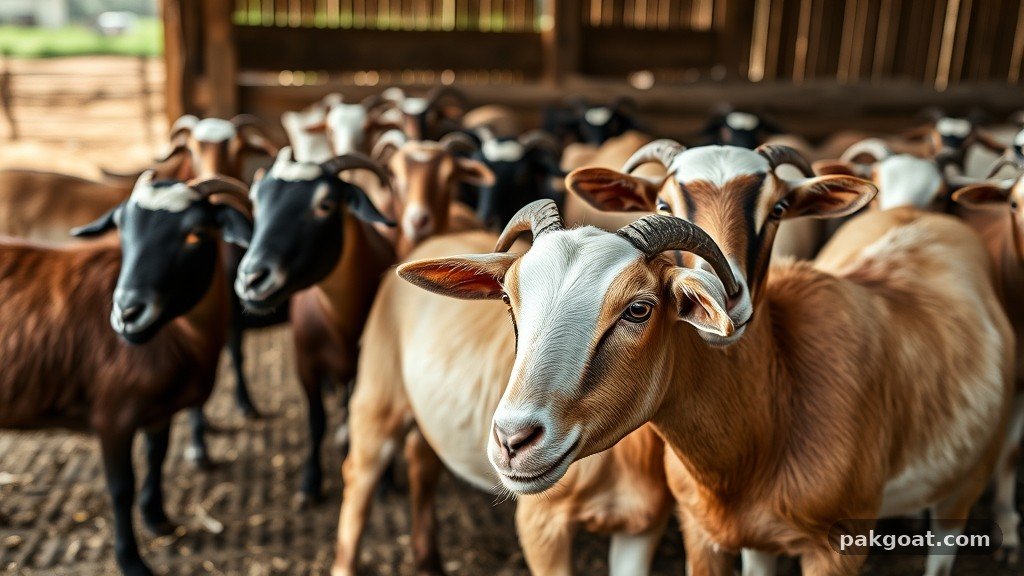
Diversifying your income sources is the most effective way to stabilize your bottom line throughout the year. Most successful producers do not rely on just one product, as the market for goat products is often seasonal and subject to regional demand.
Meat production remains the most common entry point for beginners because it requires less specialized infrastructure than high-end dairy operations. You can sell kids at weaning age, typically between three and six months, or grow them out to heavier weights for holiday-specific markets. These seasonal peaks—such as Eid al-Adha or the Christmas season—often provide price premiums that significantly boost your overall goat farm income.
Dairy production offers a more consistent cash flow but requires daily labor and strict sanitation standards. Producers often sell raw milk where legal, or process it into value-added items like artisanal cheeses, yogurts, and soaps. These secondary products usually command much higher margins than raw milk, effectively turning a commodity into a specialty retail good.
Fiber production, particularly from Angora or Cashmere goats, provides an additional layer of profit. You harvest the fiber once or twice a year, which can be sold as raw clip to textile mills or spun by hand for the craft market. While fiber is rarely the sole source of income, it serves as a valuable secondary asset that utilizes the animal’s natural growth cycle.
Operational Costs and Expense Management
The gap between gross revenue and actual profit is often determined by your ability to control input costs. Feed is generally the largest expense for any goat farmer, often accounting for 50% to 70% of total operating costs. If you rely heavily on bagged grain and commercial hay, your profit margins will be razor-thin regardless of your scale.
Grazing management serves as the primary tool for reducing feed expenditures. By implementing rotational grazing, you allow goats to harvest their own forage, which significantly lowers the need for supplemental hay. This approach also improves pasture health, reducing the need for chemical fertilizers or frequent reseeding of fields.
Veterinary and medical expenses represent another variable cost that can impact your net income. Goats are susceptible to internal parasites, particularly in humid climates, which necessitates regular monitoring and deworming. Investing in preventative care, such as proper fencing to keep predators at bay and shelter to prevent pneumonia, is cheaper than emergency medical intervention.
Administrative overhead, including insurance, registration fees, and marketing, should be factored into your budget early. Many farmers overlook the cost of transport, especially if they are hauling animals to distant processing facilities. Calculating your break-even point before purchasing your first animal is essential for long-term viability.
The Influence of Herd Size on Profitability
Scale plays a complicated role in agricultural finance, as larger herds benefit from economies of scale while facing increased management complexity. A herd of 10 to 20 goats is often a hobby-level endeavor, where the goal is usually to offset personal food costs rather than generate significant profit.
Moving to a commercial scale, typically 100 goats or more, changes the fundamental economics of the farm. At this level, you can justify the purchase of specialized equipment like portable milking parlors or automated water systems. You also gain leverage when negotiating feed prices and veterinary contracts, which can lower your cost per head.
However, larger herds require professional-grade management to prevent disease outbreaks and resource depletion. Once you exceed 50 head, the labor requirement often necessitates at least one full-time employee or highly efficient automation. The following table illustrates the typical progression of operational requirements based on herd size.
| Herd Size | Primary Focus | Labor Requirement | Profit Potential |
|---|---|---|---|
| 1-10 | Self-sufficiency | Part-time | Low (Offset costs) |
| 11-50 | Direct-to-consumer | Part to Full-time | Moderate |
| 50-150 | Commercial/Niche | Full-time | High |
| 150+ | Wholesale/Industrial | Multi-staff | Variable (High volume) |
Marketing Strategies for Premium Pricing
The price you receive for your products is rarely set in stone; it is heavily influenced by how effectively you market your farm. Commodity prices at local auctions are usually the baseline, but you can capture a premium by selling directly to consumers. This eliminates the middleman and allows you to keep the full retail value of your product.
Building a brand around your farm’s specific practices can attract loyal customers willing to pay more. Terms like “pasture-raised,” “grass-fed,” or “heritage breed” carry weight with modern consumers. You can find more information on these production standards through the United States Department of Agriculture guidelines for livestock production.
Social media and local farmers’ markets are your most accessible marketing channels. By sharing the story of your farm—the health of your soil, the welfare of your animals, and the quality of your output—you create a personal connection with buyers. Customers who know their farmer are significantly more likely to return, creating a reliable base of repeat business.
Value-added processing is perhaps the most powerful tool for increasing margins. A pound of goat meat sold at the farm gate is worth significantly less than that same meat turned into high-end sausage or charcuterie. Similarly, goat milk soaps and lotions can be sold at a massive markup compared to the raw milk used to create them.
Land Requirements and Carrying Capacity
Land management is a critical component of your financial planning, as it dictates how many animals you can support without buying expensive supplemental feed. The number of goats an acre can support depends on your soil quality, rainfall, and vegetation type. In arid regions, you might need 5 to 10 acres per animal, while lush, high-rainfall pastures might support 5 to 8 goats per acre.
Overstocking is a common error that leads to rapid degradation of the land and higher veterinary bills. When goats are forced to graze too close to the ground, they ingest parasite larvae that live in the lower inches of grass. This creates a cycle of illness that drains your profits and weakens the herd.
Fencing is often the most significant infrastructure investment for a new farm. Goats are notorious for testing boundaries, and standard cattle fencing is rarely sufficient. You must account for the cost of woven wire or electric fencing, as well as the maintenance required to keep it secure against predators like coyotes or stray dogs.
Consider the layout of your property to optimize movement between grazing paddocks. A well-designed system allows you to rotate the herd easily, which prevents overgrazing and keeps the animals on fresh, clean forage. This efficiency directly contributes to better animal health and, ultimately, a more stable goat farm income.
Seasonality and Market Timing
Livestock markets operate on cycles that can either boost or hurt your bottom line depending on when you bring your product to market. Most goats are seasonal breeders, meaning you will have a glut of kids in the spring and a shortage in the autumn. If you can manage your breeding schedule to produce kids for off-season sales, you can often command higher prices.
Many producers utilize “light” and “heavy” markets to their advantage. Selling kids at weaning weight provides quick cash flow, while holding them for another few months allows you to sell them at higher weights when market supply is lower. You must weigh the cost of the extra feed against the potential price gain to determine if this strategy is profitable.
Local holidays often dictate demand spikes that you should plan for months in advance. For example, demand for specific weights of goat meat increases dramatically during certain religious festivals. By tracking these dates, you can time your breeding and weaning cycles to ensure your product is ready exactly when buyers are looking for it.
Inventory management is vital when dealing with seasonal products. If you produce fiber or value-added goods like soap or cheese, you have more flexibility to store products and sell them during peak demand times. This reduces the pressure to sell at low prices simply to clear inventory, allowing you to maintain better profit margins.
Common Questions About Goat Farming
Do goat farmers make good money?
Profitability depends on scale, marketing, and the efficiency of your production system. Small-scale farmers often use goats to supplement their income, while large-scale commercial operations can provide a full-time living if they focus on value-added products and niche markets.
How many acres do I need for 100 goats?
The land requirement varies wildly by climate and forage quality. On average, you should plan for 1 to 2 acres per 10 goats, but this can increase to 5 or more acres in dry climates with poor soil quality.
What is the most profitable goat product?
Value-added products like artisanal cheese, soaps, and specialty meat cuts generally offer the highest profit margins. These items allow you to capture retail pricing rather than accepting lower wholesale prices at auctions.
Is it expensive to start a goat farm?
Initial costs can be high, primarily due to fencing, shelter construction, and the purchase of quality breeding stock. However, by starting small and reinvesting profits into infrastructure, you can build a sustainable operation over several years.
Building a Sustainable Future
Achieving a consistent goat farm income requires a blend of agricultural skill, careful financial oversight, and active marketing. You must treat your operation as a business, tracking every expense and identifying which products offer the best return on your time and investment. While the early stages often demand significant capital and labor, the long-term potential for a diversified, profitable farm is achievable for those who remain disciplined.
Focus on your land quality and animal health first, as these are the foundations of your production. Once you have a stable herd, explore value-added products and direct-to-consumer sales to maximize your margins.
Agriculture is rarely a get-rich-quick scheme, but for those willing to learn the nuances of the market, it provides a rewarding and sustainable livelihood. Start by analyzing your local demand, set realistic production goals, and gradually scale your operations as your expertise grows.
