

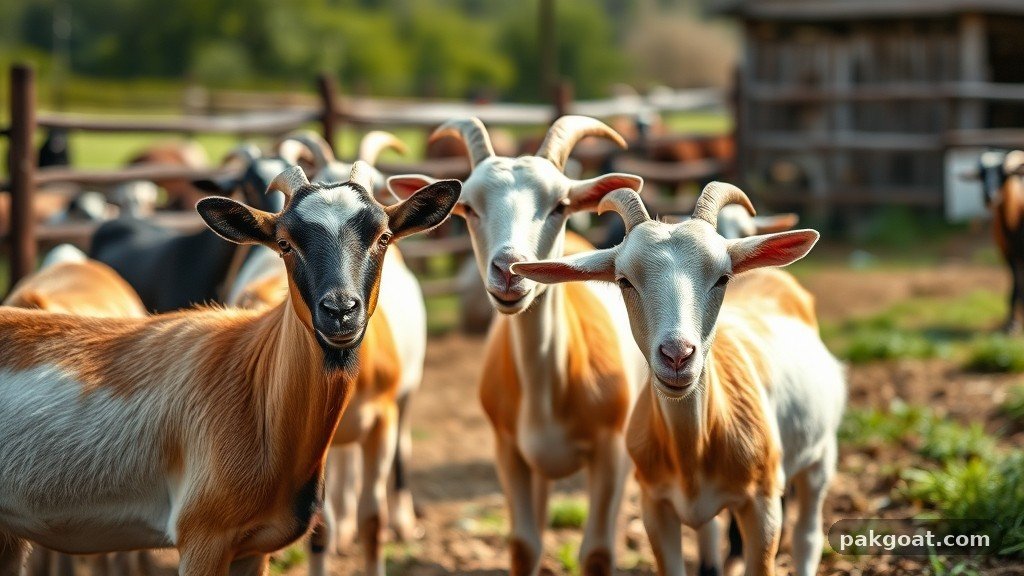
Starting a successful goat farm setup requires careful planning that balances initial infrastructure costs against long-term operational sustainability. Whether you are aiming for dairy production, meat, or brush clearing services, understanding the specific resource requirements is the first step toward profitability.
For a modest commercial operation, you should budget between $15,000 and $30,000 for your initial goat farm setup. This estimate covers essential fencing, basic shelters, initial breeding stock, and initial veterinary supplies.
You can certainly start smaller with a backyard hobbyist approach for under $5,000, but professional-grade equipment will always command a higher entry price. Factors like regional land costs, existing infrastructure, and the specific breed of goat you choose will significantly swing these numbers.
Land Requirements and Pasture Management
The amount of land you need depends entirely on your management style and stocking density. A common rule of thumb for a sustainable goat farm setup is to allow for 6 to 8 goats per acre if you are relying heavily on pasture. If you plan to feed mostly hay and grain, you can keep significantly more animals on smaller plots of land.
Goats are browsers rather than grazers, which means they prefer shrubs, weeds, and woody plants over standard grass. You must ensure your land has diverse vegetation to keep your herd healthy and reduce your reliance on expensive supplemental feed. Overgrazing is a major risk, so you should implement a rotational grazing system to preserve the soil health of your pastures.
Rotational Grazing Strategies
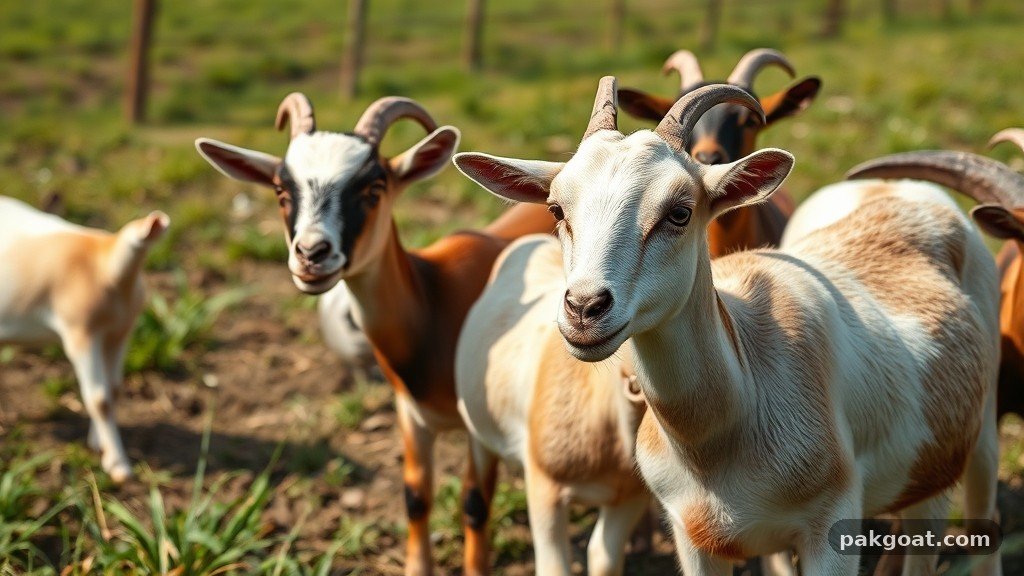
Divide your total acreage into smaller paddocks using portable electric netting or permanent high-tensile fencing. Move your herd every 3 to 7 days to ensure the plants have time to recover before the next grazing cycle begins. This method also helps break the parasite life cycle, which is one of the most significant challenges in goat husbandry.
Fencing and Infrastructure Needs
Fencing is the most critical investment in your goat farm setup because goats are notorious escape artists. You need a barrier that is at least 48 inches high to prevent jumping and secure enough at the bottom to prevent crawling. Woven wire “no-climb” fencing is the gold standard for long-term durability and security against predators.
Shelter requirements are relatively straightforward but must be strictly met to ensure herd health. Goats are highly susceptible to respiratory issues if they are kept in damp or drafty conditions during the winter months. A simple three-sided shed that faces away from prevailing winds is often sufficient in mild climates.
Essential Facility Components
Your infrastructure should include a dedicated area for handling, vaccination, and hoof trimming. A squeeze chute or a small head-catch system will save you hours of physical labor and keep your animals calm during medical procedures. You should also incorporate a secure storage area for feed to protect it from moisture, rodents, and pests.
| Infrastructure Item | Estimated Cost Range | Importance |
|---|---|---|
| Woven Wire Fencing | $3.00 – $6.00 per foot | Critical |
| Three-Sided Shelter | $1,500 – $5,000 | High |
| Handling Chute | $800 – $2,500 | Moderate |
| Watering System | $300 – $1,000 | Critical |
Selecting the Right Breed
Your choice of breed should align with your primary revenue goal, whether it is milk, meat, or fiber. Dairy breeds like Nubian or Alpine goats require more intensive daily management and milking infrastructure. Meat breeds such as Boer or Kiko are generally hardier and require less hands-on time throughout the year.
If you are a beginner, consider starting with a breed known for its calm temperament and disease resistance. Purchasing registered stock from a reputable breeder is an investment in your future herd’s health and genetics. Always ask for health records and vaccination history before bringing new animals onto your property.
* Nubian: Excellent milk production and high butterfat content.
* Boer: Superior growth rates and meat quality.
* Kiko: Highly parasite-resistant and excellent for brush clearing.
* Angora: Primarily raised for mohair production.
Health and Veterinary Management
Maintaining a healthy herd is the difference between a profitable venture and a financial drain. You must establish a relationship with a local veterinarian who specializes in small ruminants before you purchase your first goat. Many general large-animal vets do not have the specific training needed for common caprine health issues.
Internal parasites are the number one cause of mortality in goat herds, particularly in humid regions. You should implement a strict deworming schedule based on FAMACHA scoring, which measures anemia levels by looking at the color of the goat’s inner eyelid. Never deworm your entire herd blindly, as this leads to drug-resistant parasites that are nearly impossible to eliminate.
Routine Health Protocol
Vaccination for CDT (Clostridium perfringens types C and D, and Tetanus) is a non-negotiable part of your goat farm setup. You should provide these vaccinations to your kids at roughly 4 weeks of age, followed by a booster. Keep detailed records for every animal, including dates of treatment, weight, and any observed behavioral changes.
Feed and Nutritional Requirements
Goats require a balanced diet of forage, high-quality hay, and minerals to maintain peak productivity. A common mistake in a new goat farm setup is assuming that goats can thrive on grass alone. You must provide a loose mineral supplement specifically formulated for goats to prevent deficiencies in copper, selenium, and zinc.
During winter or periods of drought, you will need to supplement with hay. A standard-sized goat will consume roughly 2 to 4 pounds of hay per day depending on their size and activity level. Always ensure your hay is free of mold, as goats are extremely sensitive to mycotoxins found in spoiled forage.
Water and Supplemental Feeding
Clean water is perhaps the most important nutritional element you provide. A single goat can drink up to 3 gallons of water per day in hot weather. Ensure your water troughs are scrubbed clean at least once a week to prevent the buildup of algae and bacteria.
Economic Viability and Market Research
Profitability in the goat industry is driven by your ability to find local markets for your products. Many farmers find success by selling directly to ethnic markets or restaurants that prioritize locally sourced meat. If you are focusing on dairy, you must navigate state-specific regulations regarding the sale of raw or pasteurized milk.
Diversification is a key strategy for many successful farms. You might consider selling breeding stock, manure for organic fertilizer, or renting your goats out for weed management. The United States Department of Agriculture provides extensive resources on market pricing and commodity trends that can help you build your business plan.
Revenue Streams
* Meat sales (live weight or processed).
* Milk and value-added dairy products like cheese or soap.
* Brush clearing services for private landowners.
* Sale of registered breeding stock.
Common Regulatory and Legal Considerations
Before you bring your first goat home, check your local zoning laws and agricultural ordinances. Many residential areas have strict limitations on the number of livestock permitted per acre. You may also need to register your farm with the state and obtain a premise identification number for disease tracking purposes.
If you plan to process meat, you must understand the difference between custom-exempt slaughter and USDA-inspected facilities. Selling meat across state lines usually requires full USDA inspection, which adds significant costs to your operation. Always consult with your local agricultural extension office to understand the specific rules in your county.
Frequently Asked Questions
How many acres do I need for a small herd?
You can comfortably support a small herd of 5 to 10 goats on as little as one acre, provided you supplement their diet with hay and grain. If you intend to rely entirely on grazing, you should aim for at least two to three acres to allow for proper pasture rotation.
Is a goat farm profitable for beginners?
Profitability is achievable, but it rarely happens in the first two years of operation. Most beginners find that their initial profits are reinvested into better fencing, equipment, and herd genetics. Success depends on your ability to minimize feed costs by maximizing pasture quality.
How long does it take for goats to clear an acre of brush?
A herd of 10 mature goats can clear an acre of light to moderate brush in approximately 2 to 4 weeks. The time frame depends on the density of the vegetation and how aggressively you manage their movement through the area.
What is the most expensive part of starting a goat farm?
Fencing is almost always the highest initial cost for a new operation. Because goats are so skilled at finding weaknesses in a perimeter, you cannot afford to cut corners on materials. High-quality woven wire fencing ensures you don’t spend your time chasing escaped animals.
Conclusion
Building a successful goat farm setup is a demanding but rewarding path for those who appreciate animal husbandry and land management. By prioritizing secure infrastructure, proactive health management, and a clear understanding of your local market, you can establish a sustainable agricultural operation. Remember that your herd’s health is the foundation of your revenue, so never compromise on nutrition or veterinary care.
Start by visiting established farms in your region to see their systems in action and ask about their specific challenges. Take your time to develop a phased business plan that allows you to scale up as your experience grows.
With careful preparation and consistent effort, you can turn your farm into a productive asset. If you are ready to begin, start by mapping out your pasture and sourcing high-quality, disease-free breeding stock.
