

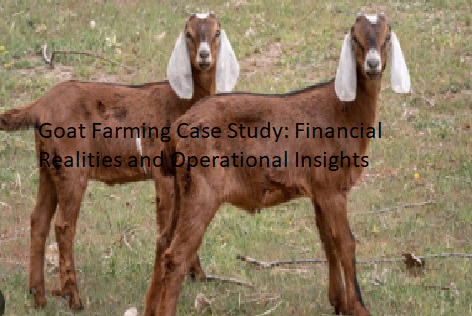
Analyzing a successful goat farming case study provides a grounded perspective on the actual capital requirements and profit margins inherent in small-scale livestock production. Most commercial operations targeting meat or dairy production require an initial investment ranging from $15,000 to $50,000 depending on infrastructure and herd size.
By examining real-world data, you can move past theoretical projections and understand the specific cash flow cycles that define the industry. This analysis outlines the essential costs, revenue streams, and operational hurdles that determine long-term viability for goat farmers today.
Initial Capital Requirements and Infrastructure
Starting a profitable enterprise begins with a realistic assessment of fixed costs. You must allocate significant capital toward shelter, fencing, and the acquisition of quality foundation stock.
A standard 50-doe operation generally requires at least five acres of managed pasture to maintain healthy grazing rotations. If your land is not already equipped, you should anticipate spending approximately $8,000 to $12,000 just to establish secure perimeter fencing and basic housing structures.
Housing does not need to be elaborate, but it must be functional and dry. Goats are highly susceptible to respiratory issues if kept in damp or poorly ventilated environments.
Farmers often repurpose existing barns, which can save thousands in construction costs. If building from scratch, prioritize simple, open-sided sheds that provide protection from prevailing winds and heavy rain.
Investment in your foundation stock is the most critical decision for your long-term success. Purchasing high-quality animals from reputable breeders ensures better growth rates and stronger disease resistance.
Expect to pay between $300 and $600 per doe for healthy, registered stock with known genetic lineage. Avoid the temptation to buy cheap, culling-grade animals, as they often carry hidden health issues that lead to massive veterinary expenses later.
Operational Expenses and Variable Costs
Once the farm is established, ongoing operational costs represent the bulk of your budget. Feed is consistently the largest expense, particularly during winter months or periods of drought.
Even with rotational grazing, you must budget for supplemental hay and high-quality mineral blocks to maintain herd health. An efficient operation spends roughly $150 to $250 per doe annually on feed, veterinary supplies, and routine maintenance.
Veterinary care is another non-negotiable expense that can fluctuate wildly. You must budget for annual vaccinations, deworming protocols, and emergency medical kits.
Many successful farmers partner with a local large-animal veterinarian early on to establish a clear vaccination schedule. Ignoring preventative care is a common cause of failure in a goat farming case study, as one severe outbreak can wipe out an entire season of profit.
Labor costs are often underestimated by new entrants who plan to manage the farm alone. While a small herd might fit into a part-time schedule, the daily requirements of water, monitoring, and fence repair quickly add up.
If you intend to scale beyond 100 animals, you will likely need to hire part-time help. This transition point often marks the difference between a hobby farm and a scalable commercial business.
Revenue Models in Goat Production
Diversifying your income streams is the most effective way to protect your business from market volatility. Most successful operations focus on a combination of meat production, dairy, and livestock sales.
Meat goats, particularly Boer or Kiko breeds, are usually sold at 6 to 9 months of age, weighing between 70 and 100 pounds. Pricing fluctuates based on seasonal demand, with prices often spiking before major cultural and religious holidays.
Dairy operations require a more consistent, labor-intensive model involving daily milking and strict sanitation standards. You can sell raw milk where permitted, or process it into value-added products like goat cheese, yogurt, or soap.
These processed goods often command significantly higher margins than raw agricultural commodities. For instance, a gallon of raw milk might sell for $8, while the same volume converted into artisan cheese could bring in $30 or more.
Livestock sales provide a secondary, often overlooked, revenue stream. Breeding stock, specifically high-quality registered bucks and does, can be sold to other farmers at a premium.
This segment of the market relies heavily on your reputation and the performance records of your animals. Keeping meticulous records of birth weights, growth rates, and health history is essential for commanding these higher prices.
Comparative Financial Projections
Understanding the variance between different scales of operation is vital for your planning. The following table illustrates the typical cost-to-revenue variance for a small-scale, mid-scale, and commercial operation. These figures reflect average market conditions and should be treated as benchmarks rather than guarantees.
| Herd Size | Est. Start-up Cost | Annual Op-Ex | Potential Annual Revenue |
|---|---|---|---|
| 20 Does | $12,000 | $4,500 | $7,000 |
| 50 Does | $35,000 | $11,000 | $18,000 |
| 100 Does | $75,000 | $22,000 | $38,000 |
These numbers demonstrate that economies of scale significantly influence profitability. As you increase the herd size, your fixed costs per animal decrease, allowing for a better margin.
However, the complexity of management increases exponentially with each additional animal. Small-scale farmers often find success by focusing on niche, high-value products, whereas larger operations rely on volume and efficiency.
Rotational Grazing and Land Management
Effective land management is the cornerstone of sustainable livestock production. Goats are browsers, not just grazers, and they thrive on a variety of weeds, brush, and grasses.
By implementing a rotational grazing system, you can extend your grazing season and reduce your reliance on expensive supplemental feed. This strategy involves dividing your pasture into smaller paddocks and moving the goats frequently.
Rotational grazing also serves as a natural parasite control measure. By moving the herd before they graze the grass down to the soil, you avoid the concentration of parasite larvae that typically accumulate in shorter vegetation.
This practice significantly reduces the need for chemical dewormers, which is a major benefit for organic-minded operations. The Natural Resources Conservation Service provides detailed resources on developing conservation-based grazing plans for small-scale operations.
Soil health is a direct result of proper stocking density and movement. Manure distribution across the pasture acts as a natural fertilizer, improving forage growth over time.
You should monitor your pasture regularly to ensure you are not overgrazing, which can lead to erosion and the proliferation of invasive, non-palatable plant species. Healthy soil is the foundation of your farm’s long-term productivity and value.
Market Access and Distribution Channels
Identifying where and how you will sell your product is just as important as raising the animals. Direct-to-consumer sales, such as farmers’ markets or farm-gate sales, often provide the highest margins.
These channels allow you to build a loyal customer base and bypass middlemen who take a significant cut of your profit. However, they require a substantial time commitment for marketing and customer management.
Wholesale channels, such as local livestock auctions or regional cooperatives, offer convenience and speed but come with lower prices. These markets are ideal for offloading large batches of animals quickly but can be unpredictable.
You should maintain a balanced mix of both strategies to ensure consistent cash flow throughout the year. Many farmers use local auctions for their regular culls while reserving their best animals for private sales.
Digital presence has become an essential tool for modern farmers. A simple website or an active social media page can help you reach customers who are specifically looking for locally sourced, pasture-raised products.
High-quality photos of your farm and transparent information about your practices can differentiate you from competitors. Building a brand based on transparency is a powerful way to justify premium pricing in a competitive market.
Key Operational Milestones
Success in this industry is rarely immediate and usually follows a predictable path of development. You must hit specific milestones to ensure your farm remains financially solvent during the early years.
The first 18 months are typically dedicated to infrastructure development and establishing your initial breeding cycle. During this phase, you should focus on minimizing debt and learning the nuances of your specific environment.
* Months 1-6: Secure land and permits, construct fencing, and source initial foundation stock.
* Months 7-12: Complete first breeding cycle, establish health protocols, and manage pasture growth.
* Months 13-18: First significant harvest or sales period, evaluate animal performance, and adjust feed management.
* Months 19-24: Refine marketing strategy, assess profitability of different revenue streams, and plan for expansion.
Tracking these milestones through a formal business plan is highly recommended. It forces you to confront the reality of your expenses versus your income at regular intervals.
If you find that certain milestones are not being met, you can pivot your strategy before the financial impact becomes severe. Adaptability is the hallmark of every successful goat farming case study.
Common Pitfalls and Risk Mitigation
Many new farmers fail because they underestimate the impact of disease and poor management. Parasite resistance to common dewormers is a growing problem globally, making management-based control even more vital.
You should implement a strict quarantine protocol for any new animals entering the farm to prevent the introduction of contagious diseases. Keeping your herd healthy is always cheaper than treating a sick animal.
Financial planning is another area where many operations stumble. Failing to maintain a cash reserve for emergencies, such as a severe winter or a drop in market prices, can force you to sell your livestock at the worst possible time.
Aim to keep a contingency fund that covers at least three months of operational expenses. This buffer allows you to make decisions based on long-term strategy rather than immediate financial panic.
Lastly, do not overlook the importance of legal and insurance protections. Livestock can be unpredictable, and farm liability insurance is a critical asset. You must also understand the local regulations regarding animal processing and the sale of dairy products.
Navigating these requirements early prevents costly fines or the forced shutdown of your operations. Being compliant is a foundational requirement for any legitimate business.
Frequently Asked Questions
How much land is actually necessary for 100 goats?
While stocking rates vary by region and soil quality, a general rule of thumb is 1 to 2 goats per acre for sustainable, long-term pasture management. If you are using intensive rotational grazing, you might be able to support more, but you will need to supplement with significant amounts of hay to keep the land from degrading.
What are the primary costs associated with starting a goat farm?
The primary costs include land acquisition or lease payments, fencing materials, basic shelter construction, and the purchase of quality breeding stock. You must also budget for initial equipment, such as water troughs, feeders, and basic veterinary supplies. These startup costs typically range from $15,000 to over $50,000 depending on your existing infrastructure.
How do farmers effectively make money with goats?
Most farmers use a diversified income model that includes selling meat animals, breeding stock, and dairy products. Some also monetize their goats through land-clearing services or by selling high-quality manure as compost. Success usually comes from identifying a high-demand niche in your local market and maintaining strict control over production costs.
How long does it take for a goat to reach market weight?
Most meat-breed goats, such as Boers, reach a marketable weight of 70 to 100 pounds between 6 and 9 months of age. This timeline depends heavily on the quality of forage, the health of the animal, and the genetics of your herd. Providing consistent nutrition and minimizing stress are the best ways to ensure your animals reach this weight efficiently.
Is it better to focus on dairy or meat production?
The choice between dairy and meat depends on your labor availability and local market access. Dairy production requires daily, labor-intensive milking and strict hygiene, but it offers high-margin value-added products like cheese. Meat production is less labor-intensive on a daily basis but relies more heavily on volume and market price fluctuations.
Conclusion
Evaluating a goat farming case study reveals that success is rarely the result of a single factor, but rather a combination of disciplined management and market awareness. The financial data highlights the importance of scaling operations carefully while maintaining a strict focus on operational costs. By prioritizing animal health through rotational grazing and investing in high-quality foundation stock, you establish a resilient base for long-term growth.
Whether you are aiming for a small-scale meat operation or a sophisticated dairy enterprise, the principles of financial transparency and adaptive strategy remain constant. As you move forward, keep your records precise and your market research updated to ensure your farm remains competitive. Engaging with local agricultural extension services can provide the technical support needed to refine your processes and improve your bottom line over time.
