

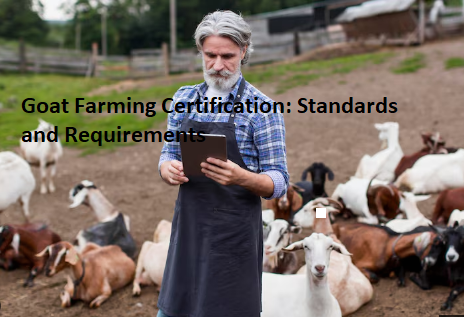
Obtaining a formal goat farming certification serves as a professional benchmark for producers looking to scale their operations or enter premium supply chains. While many small-scale farmers operate without specific credentials, formal recognition often unlocks access to high-end markets, government subsidies, and specialized insurance products.
Understanding the nuances of these programs helps producers align their animal welfare and management practices with industry-recognized benchmarks. This article details the specific pathways toward professional standing, the financial implications of compliance, and the operational standards required for success in the goat industry.
The actual cost of obtaining a goat farming certification typically ranges between $200 and $1,500 depending on the scale of the operation and the certifying body. Most regional agricultural extensions provide initial training for free, but audits, laboratory testing, and formal registry fees constitute the primary expenses.
For example, a producer seeking organic status or specific breed registry certification will face recurring annual fees alongside one-time inspection costs. These figures vary widely based on whether the certification is managed by a private livestock association or a government-regulated food safety board.
Understanding the Role of Livestock Registries
Breed-specific registries represent the most common form of formal recognition for goat producers. These organizations, such as the American Dairy Goat Association, maintain detailed records of lineage and production data.
Achieving certification through these bodies involves registering individual animals and ensuring that the herd meets specific breed standards. This process requires a significant investment in record-keeping and often involves mandatory participation in official milk testing or conformation appraisal programs.
Farmers who prioritize genetic improvement use these registries to track production yields and health traits over multiple generations. This data-driven approach allows producers to command higher prices for breeding stock, as buyers are willing to pay a premium for animals with documented pedigrees.
The administrative burden is substantial, requiring meticulous documentation of every birth, vaccination, and production cycle. While time-consuming, this level of professional record-keeping is often the prerequisite for participating in high-value livestock auctions and regional breed exhibitions.
Food Safety and Quality Assurance Standards
Beyond breed registries, producers selling milk or meat must often navigate food safety certifications. These programs focus on hygiene, traceability, and herd health, ensuring that products meet federal or state regulations.
For goat dairy operations, this often entails obtaining a Grade A permit, which requires rigorous testing of the milking parlor and storage equipment. These certifications are not optional for anyone selling products directly to retail outlets or major processors.
The process for these safety certifications is highly technical and demanding. Inspectors look for specific infrastructure requirements, including stainless steel piping, dedicated cooling systems, and documented sanitation schedules for all equipment.
Producers must also participate in routine testing for common diseases like brucellosis and tuberculosis. This focus on safety ensures that the final product remains free from contamination, which is vital for building a sustainable reputation with wholesalers and consumers.
Operational Requirements for Organic Certification
Organic goat farming certification introduces a distinct set of standards that impact every aspect of daily management. Farmers must strictly follow guidelines regarding feed sources, which must be certified organic, and the use of synthetic fertilizers or pesticides on grazing land.
Furthermore, the use of antibiotics for routine growth promotion is prohibited, necessitating a strong focus on preventative veterinary care and rotational grazing systems. This certification requires a transition period, often lasting up to three years, during which the land must be managed according to organic protocols.
The financial trade-off for these requirements is the ability to market products at a higher price point. Consumers willing to pay for organic goat cheese or goat meat prioritize transparency and ethical treatment, which this certification validates. However, the documentation required to prove compliance is extensive.
Farmers must track every input, from the supplements provided to the goats to the specific seed varieties used in pasture management. This level of oversight makes organic production a specialized niche that requires significant planning.
Comparing Certification Pathways
Selecting the right credential depends heavily on the primary output of your farm. A producer focused on high-quality dairy production will prioritize milk safety standards, while a farmer selling breeding stock will focus on genetic registration. The following table illustrates the typical focus and requirements for the most common types of credentials available to goat farmers.
| Certification Type | Primary Focus | Main Requirement |
|---|---|---|
| Breed Registry | Genetics and Lineage | Documented Pedigree |
| Grade A Dairy | Product Safety | Infrastructure Compliance |
| Organic Certification | Sustainable Inputs | Prohibited Synthetic Use |
| Welfare Certification | Animal Treatment | Outdoor Access Standards |
Managing Herd Health for Compliance
Maintaining a healthy herd is the cornerstone of any certification, as disease outbreaks can lead to the immediate suspension of credentials. Professional certification bodies often mandate a comprehensive herd health plan developed in collaboration with a licensed veterinarian.
This plan must include a vaccination schedule, a parasite management strategy, and clear protocols for isolating sick animals. Regular testing for chronic diseases is a non-negotiable part of this process, as it protects the entire supply chain.
Biosecurity is another critical factor that auditors examine during the certification process. Farms must demonstrate that they have measures in place to prevent the introduction of pathogens from outside sources.
This includes controlling visitor access, quarantining new animals for a set period, and managing water and feed sources to prevent cross-contamination. Implementing these measures requires both financial investment and a shift in daily habits, but the result is a more resilient and profitable livestock operation.
Financial and Administrative Considerations
The administrative reality of maintaining a certification often surprises new farmers. Beyond the initial application fees, there are ongoing costs associated with compliance, such as laboratory testing, audit fees, and the time spent on reporting.
It is essential to treat these costs as a standard operating expense rather than an unexpected burden. Many farmers find that the increased market access and higher profit margins on certified products easily cover these recurring costs.
Successful farms often designate a specific person to manage the documentation required for their certifications. This ensures that records are updated in real-time, preventing the stress of scrambling before an annual inspection.
Using digital farm management software can streamline this process, allowing for the easy tracking of animal health, feed usage, and sales data. By integrating these practices into the daily workflow, the administrative burden becomes a manageable part of the business model rather than an overwhelming obstacle.
Essential Steps for New Producers
For those looking to begin the certification journey, the process should start with identifying the specific market needs. Research the requirements of your target buyers and determine which credentials will provide the most value for your business model.
Do not attempt to pursue every certification at once; focus on the one that aligns with your primary revenue stream. Building a strong foundation in basic herd management is the first step toward meeting the more complex requirements of advanced certification programs.
* Consult with your local agricultural extension office to identify regional requirements.
* Develop a comprehensive record-keeping system for all animal health and movement.
* Schedule a preliminary facility audit to identify potential compliance gaps.
* Join a local or national goat association to network with experienced producers.
* Allocate a specific annual budget for inspection and testing fees.
* Prioritize biosecurity protocols to ensure consistent herd health.
Frequently Asked Questions
Is goat farming certification mandatory to sell milk or meat?
In many jurisdictions, specific food safety certifications are mandatory if you intend to sell products to retail stores or large processors. However, small-scale sales at farmers’ markets may fall under different local regulations that do not require formal industry certification. Always check with your state or provincial department of agriculture before starting sales.
How long does it take to get certified as an organic goat farm?
The transition period for organic certification is typically three years from the last date of prohibited substance use on the land. During this time, you must manage your operation according to organic standards even though you cannot yet market your products as certified organic. This is a significant time and financial commitment that requires careful planning.
Can I get certified for multiple breeds at the same time?
Yes, you can register multiple breeds within the same herd, provided you keep their records separate. Most registries allow for mixed-herd management as long as the pedigree of each animal is verified through DNA testing or clear breeding records. You will generally need to pay individual registration fees for each animal you wish to certify.
What is the most important document for a goat farm audit?
Traceability records are typically the most important documents an auditor will review. This includes accurate logs of every animal’s birth, lineage, vaccination history, and movement on or off the property. An auditor needs to see that you can track any product or animal back to its origin quickly and reliably.
Are government-provided training programs free?
Many government agricultural extensions offer free workshops and training sessions for beginning farmers. While the training itself is often subsidized, you may still need to pay for the actual certification audits, testing, and annual membership fees associated with the accrediting bodies. Always clarify which costs are covered by public programs and which are your responsibility.
Achieving professional recognition through goat farming certification requires a dedicated approach to record-keeping, herd health, and operational transparency. While the process demands significant time and financial investment, the long-term benefits include access to premium markets and a more resilient business structure. By focusing on consistent compliance and high standards of animal care, farmers can build a sustainable operation that stands up to professional scrutiny.
If you are ready to scale your production, begin by identifying the specific requirements relevant to your region and target market. Reach out to your local agricultural extension to start your journey toward professional certification today.
