

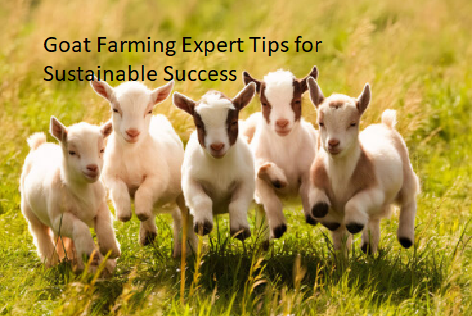
Implementing sound goat farming expert tips is essential for anyone looking to transition from a backyard hobbyist to a profitable agricultural producer. Whether you are focusing on milk production, meat, or fiber, the foundation of your success rests on understanding animal health, pasture management, and market demands. By prioritizing biosecurity and efficient feeding practices, you can minimize overhead costs while maximizing your herd’s growth potential.
This article provides the actionable data and technical strategies required to build a resilient operation. You will learn how to manage grazing cycles, optimize nutrition, and plan for the long-term viability of your livestock enterprise.
Initial Herd Planning and Infrastructure
Determining the scale of your operation is the first step when applying goat farming expert tips to your setup. You should aim for a manageable starting size, typically 5 to 10 does, to learn the nuances of breeding and kidding before scaling up.
Beginners often overestimate how many animals they can support on a small plot, leading to overgrazing and health complications. You must allocate roughly 0.5 to 1 acre of high-quality pasture per goat depending on the soil fertility and forage density.
Infrastructure requires more than just a basic fence. Goats are notorious escape artists, so you must invest in woven wire fencing at least 48 inches high to keep predators out and goats in. A dry, draft-free shelter is non-negotiable for maintaining herd health during winter months or heavy rain.
Ensure this shelter has at least 15 square feet of floor space per adult goat to prevent overcrowding and stress. Proper ventilation is just as critical as insulation, as respiratory issues often stem from damp, stagnant air in poorly managed barns.
Nutrition and Mineral Management
A common mistake in goat management is assuming these animals thrive on weeds alone. While goats are browsers that prefer shrubs and woody plants, they require a balanced diet of high-quality hay and forage to produce milk or gain weight efficiently.
You should provide access to clean, fresh water at all times, as a lactating doe can consume up to 3 to 4 gallons of water daily. Dehydration quickly leads to reduced milk yield and susceptibility to urinary calculi, especially in wethers.
Mineral supplementation is a vital component of goat farming expert tips that many novices overlook. Goats require a specific ratio of minerals, particularly copper, which is toxic to sheep but essential for goats. Use a loose mineral mix specifically formulated for goats rather than salt blocks, as goats often struggle to get enough intake from hard blocks.
You can find detailed nutritional guidelines through the eXtension Foundation, which offers research-backed resources on livestock management. Always keep minerals in a dry, covered feeder to prevent wastage from moisture.
Strategic Grazing and Pasture Rotation
Rotational grazing is the gold standard for maintaining healthy pastures and reducing parasite loads. By dividing your land into smaller paddocks, you allow forage to recover while preventing goats from grazing plants down to the root.
Move your herd to a fresh paddock every 5 to 7 days during the peak growing season to break the life cycle of common gastrointestinal parasites. This practice significantly reduces the need for chemical dewormers, which is critical as resistance to common anthelmintics continues to rise.
Effective rotation also prevents the accumulation of manure in one area, which naturally fertilizes the soil and promotes thicker forage growth. You should observe the height of the vegetation; move the animals when the grass is grazed down to about 3 to 4 inches.
Allowing the plants to rest ensures they remain productive throughout the season. This management style is one of the most effective goat farming expert tips for lowering feed costs, as it maximizes the nutritional value of your existing land.
Health Protocols and Biosecurity
Maintaining a healthy herd begins with a strict biosecurity protocol to prevent the introduction of disease. Always quarantine new animals for at least 30 days before introducing them to your main herd to monitor for signs of illness.
Common diseases like Caseous Lymphadenitis (CL) or Caprine Arthritis Encephalitis (CAE) can devastate a herd and are often asymptomatic in the early stages. Blood testing new arrivals is a small investment that prevents catastrophic losses down the road.
Regular hoof trimming is another essential maintenance task. Neglecting this leads to foot rot, lameness, and secondary infections that impact the animal’s ability to graze. You should aim to trim hooves every 6 to 8 weeks depending on the terrain and growth rate.
Keeping a medical kit on hand that includes thermometers, antiseptic spray, and electrolytes is essential for addressing minor issues before they escalate. Early detection of illness is the hallmark of an expert producer.
Financial Benchmarking and Profitability
Profitability in goat farming requires a clear understanding of your input costs versus market value. Most successful farms diversify their income streams to hedge against market volatility.
For example, selling breeding stock often yields higher margins than selling market kids for meat. You should track your expenses meticulously, focusing on the cost per pound of gain or the cost per gallon of milk produced.
| Expense Category | Typical Percentage of Budget |
|---|---|
| Feed and Supplements | 45% |
| Veterinary and Medical | 15% |
| Infrastructure Maintenance | 20% |
| Marketing and Transport | 10% |
| Miscellaneous/Emergency | 10% |
The table above illustrates typical budget allocations for a small-scale commercial operation. Notice how feed costs dominate the budget, which is why optimizing pasture usage is crucial for long-term viability.
By focusing on high-value products like goat cheese or registered breeding stock, you can improve your margins significantly. Always research local demand before committing to a specific breed or product line.
Breeding and Kidding Management
Successful breeding programs rely on selecting animals that exhibit desirable traits like high milk output, fast growth rates, or parasite resistance. You should maintain detailed records on every doe, including birth dates, weaning weights, and kidding ease.
Keeping these records helps you identify which animals are your top producers and which should be culled from the herd. A productive doe should ideally kid once a year to maintain a consistent revenue stream.
Kidding season is the most labor-intensive time of the year. Ensure you have a dedicated kidding pen that is clean, dry, and well-lit.
You must be prepared to assist with births, although most goats manage well on their own. The following list outlines essential items to have ready before the first doe is due:
- Iodine for dipping umbilical cords to prevent infection.
- Colostrum replacer or frozen colostrum from your own herd.
- A clean towel for drying off newborns.
- A notebook or digital app for recording birth weights and times.
- A kid-sized milk bottle and nipple for supplemental feeding.
- A heat lamp for cold weather, used with extreme caution to prevent fire.
Common Management Questions
How many acres do you need to raise 100 goats?
The number of acres required depends heavily on the quality of your forage and your management style. In a high-intensity rotational grazing system with fertile soil, you might support 100 goats on as little as 20 to 30 acres. However, on less productive land, you could need 50 to 100 acres to prevent overgrazing and erosion.
What should a first-time goat owner know?
First-time owners must prioritize fencing and predator control above all else. You also need to understand the basics of parasite management, as internal worms are the primary cause of death in goats. Always have a relationship with a large-animal veterinarian before you bring your first goat home.
Why give baking soda to goats?
Baking soda helps regulate the pH balance in a goat’s rumen, which is critical for digestion. Goats are prone to bloat and acidosis if their diet changes too quickly or if they consume too much grain. Providing free-choice baking soda acts as a self-regulating buffer against these digestive upsets.
How do you make a goat farm profitable?
Profitability often comes from finding a niche market rather than competing on commodity prices. Direct-to-consumer sales of raw milk, artisanal cheeses, or high-quality breeding stock offer much better margins than selling animals at a local auction barn. Additionally, reducing reliance on expensive commercial concentrates by maximizing high-quality pasture is key to lowering overhead.
Is it necessary to vaccinate goats?
Vaccination protocols vary by region, but the CD&T vaccine is widely considered essential for all goats. This vaccine protects against Clostridium perfringens types C and D, as well as Tetanus. Consult with your local extension office or veterinarian to determine the specific schedule and booster requirements for your area.
Advanced Herd Improvement Strategies
Once you have mastered the basics, you can move toward genetic improvement to increase your farm’s productivity. Consider participating in performance testing programs where your animals are evaluated against others for growth rate and milk production.
These programs provide objective data that can help you command higher prices for your offspring. You might also explore artificial insemination to introduce superior genetics into your herd without the cost of maintaining a high-quality buck.
Focusing on parasite resistance is a long-term strategy that pays dividends in reduced veterinary bills. Select breeding stock from does that have shown high resilience to worm loads without requiring frequent deworming.
This selective breeding process takes several seasons to show results, but it creates a more robust and sustainable herd. Remember that true expertise in this field is built through consistent observation and data-driven decision-making rather than relying on luck.
Conclusion
Building a successful goat enterprise is a marathon rather than a sprint. By applying these goat farming expert tips, you create a system where animal health, land productivity, and financial margins work in harmony. Start with a solid foundation by focusing on infrastructure and nutrition before scaling your operations.
Keep meticulous records to track your progress and identify areas for improvement. Every decision you make should be backed by observation and, whenever possible, reliable data. As you refine your skills, you will find that the challenges of the industry become manageable, and the rewards of sustainable farming become more apparent.
Maintain your focus on high-quality care and strategic planning to ensure your farm remains a viable and productive asset for years to come. Feel free to reach out to local agricultural associations to network with other producers and continue learning as your operation grows.
