

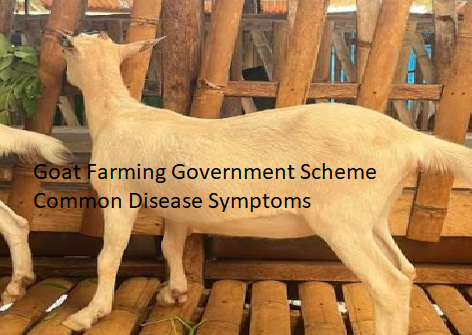
Understanding goat farming government scheme common disease symptoms is essential for any producer looking to secure financial aid while maintaining a healthy herd. Many agricultural departments provide subsidies that require strict health monitoring protocols, meaning your ability to identify early warning signs directly impacts your eligibility for funding.
By recognizing these symptoms early, you protect your investment and ensure your operation remains compliant with national veterinary standards. This article outlines the critical health markers you need to monitor to keep your livestock thriving and your farm in good standing with state-sponsored development programs.
Financial Aid and Herd Health Monitoring
Government initiatives often provide capital for shed construction, breed improvement, and veterinary supplies, but they require proof of responsible animal husbandry. If you fail to report or manage common ailments, you risk losing your funding status or facing penalties for poor farm management.
Most schemes mandate that farmers maintain a health register where they track vaccinations, deworming schedules, and instances of illness. By keeping detailed records, you demonstrate to auditors that you are a capable steward of the resources provided to you.
Transparency in your health reporting is the backbone of these partnerships between the state and the private producer. When you register for a grant, you are essentially promising that you have the infrastructure to keep animals alive and productive.
If an outbreak occurs, having documentation of your rapid response and treatment plan can be the difference between losing your subsidy and receiving additional support. Always prioritize the health of the herd as your primary asset, as the government is looking for high-success-rate projects to continue funding.
Identifying Early Signs of PPR
Peste des Petites Ruminants, commonly known as PPR, is perhaps the most significant threat to small ruminants in many regions. It is a highly contagious viral disease that can wipe out a large percentage of a herd within weeks if left unchecked.
The primary symptoms include a sudden high fever, followed by a watery discharge from the eyes and nose that eventually becomes thick and pussy. You will often notice the animal stops eating, becomes depressed, and experiences severe diarrhea.
If you suspect PPR, you must isolate the affected goat immediately to prevent the virus from spreading to the rest of the flock. Report the case to your local veterinary officer, as most government schemes require mandatory notification for this specific disease.
Vaccination is the only effective way to prevent this illness, and many state programs offer these vaccines for free or at a subsidized rate. Do not wait for symptoms to appear; proactive vaccination is a core requirement for many sustainable farming subsidies.
Managing Foot and Mouth Disease
Foot and Mouth Disease (FMD) is a major concern for farmers participating in commercial goat farming government scheme common disease symptoms monitoring programs. The virus causes painful blisters to form inside the mouth, on the tongue, and around the hoof coronet.
Because these blisters make eating and walking extremely painful, the goats will lose weight rapidly and drop in milk production. You might hear the animal making a smacking sound with its mouth, which is a classic indicator of the oral lesions.
Control of FMD relies heavily on strict movement restrictions and biosecurity measures on your farm. When applying for government support, you should mention your biosecurity plan, including foot baths at the entrance of your shed and quarantine protocols for new arrivals.
The government often tracks outbreaks, and if your farm is in a high-risk zone, they may prioritize your herd for ring vaccination. Keep your records up to date to prove that your animals are protected against this economically devastating pathogen.
Recognizing Respiratory Distress
Pneumonia is a frequent visitor in goat sheds that lack proper ventilation or suffer from sudden temperature fluctuations. You will notice the goat breathing rapidly, often with a distinct “heaving” motion of the flanks.
As the infection progresses, the animal may develop a persistent cough and a nasal discharge that can range from clear to yellow or green. In advanced cases, the goat will refuse to stand and may stretch its neck out to facilitate easier breathing.
A well-ventilated housing facility is your first line of defense, and many government schemes provide blueprints for sheds that optimize airflow. If you notice these symptoms, ensure the goat is kept in a dry, draft-free area, but do not shut off all airflow, as stagnant air traps bacteria.
Early treatment with appropriate antibiotics can save the animal, but you must consult with a veterinarian to ensure you are using the correct dosage. Refer to the World Organisation for Animal Health guidelines for global standards on managing contagious livestock diseases.
Parasitic Infestations and Anemia
Internal parasites, particularly stomach worms like Haemonchus contortus, are a silent killer in many goat operations. These worms drain blood from the animal, leading to anemia which is easily visible by checking the color of the mucous membranes inside the eyelid.
If the inner eyelid is pale or white rather than a healthy pink, your goat is likely suffering from a heavy worm burden. Other symptoms include a “bottle jaw,” which is a soft swelling under the jaw caused by fluid buildup due to protein loss.
Managing parasites requires a combination of pasture rotation and strategic deworming. Many government extension offices provide fecal testing services to help you determine which dewormer is still effective for your specific farm.
Relying on the same medication year after year often leads to drug resistance, rendering your treatment ineffective. Incorporating these diagnostic steps into your farm management plan will help you qualify for government grants focused on sustainable and efficient livestock practices.
Key Indicators of Herd Health
| Symptom Category | Key Observations | Potential Condition |
| :— | :— | :— |
| Respiratory | Rapid breathing, nasal discharge | Pneumonia |
| Digestive | Severe diarrhea, weight loss | PPR or Parasites |
| Locomotion | Limping, blisters on feet | Foot and Mouth Disease |
| Ocular/Oral | Discharge from eyes, mouth sores | PPR or Contagious Ecthyma |
| General | Pale eyelids, lethargy | Anemia/Worm load |
Common Bacterial Infections
Caseous Lymphadenitis, or CL, is a chronic bacterial disease characterized by the formation of abscesses under the skin. You will typically find these lumps near the lymph nodes, specifically under the jaw, in front of the shoulder, or near the udder.
When these abscesses rupture, they release a thick, cheese-like pus that is highly infectious and can contaminate your entire barn. It is crucial to manage these carefully because the bacteria can survive in the environment for months.
While not always immediately fatal, CL reduces the market value of your animals and makes them unsuitable for breeding programs funded by the government. If you identify an abscess, do not lance it yourself, as this spreads the bacteria across your facility.
Instead, work with your vet to have it surgically removed or managed through strict isolation. Maintaining a clean environment and culling chronically infected animals are the most effective ways to keep your herd healthy and compliant.
Nutritional Deficiencies and Metabolic Issues
Goats are sensitive to their mineral intake, and deficiencies often manifest as strange behaviors or poor growth rates. A lack of copper can lead to a rough, faded coat and “fish-tail” hair loss at the tip of the tail.
Pregnancy toxemia, or ketosis, is another metabolic issue that occurs in late pregnancy when the doe cannot meet the high energy demands of growing kids. These goats will appear sluggish, stop eating, and may exhibit tremors or a sweet smell on their breath.
Government schemes often emphasize the importance of balanced rations and mineral supplementation as part of their training modules. Providing high-quality hay and a goat-specific mineral block can prevent many of these metabolic disasters.
If you are participating in a government-backed breeding program, your nutritionist or vet should review your feed plan annually. Proactive nutritional management is viewed as a sign of high-level professional farming, which makes you a stronger candidate for future financial aid.
Frequently Asked Questions
What are the first signs of illness I should look for daily?
You should look for a change in appetite, reduced activity levels, and abnormal posture. A goat that stands away from the rest of the herd or one that holds its head in a strange position is often the first indicator of an underlying health problem.
Can I use human medication to treat common goat diseases?
You should never use human medication without explicit instructions from a licensed veterinarian. Many human drugs are not effective in goats, and some can be toxic or leave dangerous residues in meat and milk, which could disqualify you from government programs.
How do I prove my herd health to government inspectors?
Maintain a comprehensive health logbook that records every vaccination, deworming event, and illness. Include dates, specific medications used, and the outcomes for each animal to show a consistent and professional approach to herd management.
Is it mandatory to report all goat diseases to the government?
Yes, especially for contagious diseases like PPR or FMD. Most government schemes require immediate notification of any outbreak to prevent the spread to neighboring farms and to protect the broader agricultural economy.
What is the most effective way to prevent disease spread in a new shed?
The most effective method is to quarantine all new animals for at least 30 days before introducing them to the main herd. During this time, monitor them closely for any goat farming government scheme common disease symptoms to ensure they are healthy before they join your established population.
Maintaining Long-Term Farm Viability
Successfully managing your livestock requires a blend of vigilance and adherence to established veterinary protocols. By staying informed about goat farming government scheme common disease symptoms, you position your farm as a reliable partner for state-funded development.
Remember that the goal of these programs is to cultivate a resilient agricultural sector, and your health records are the primary evidence of your contribution to that goal. Always consult with local experts when you observe unusual behavior, as rapid intervention is the hallmark of a successful producer.
Focus on building a clean, well-ventilated, and nutritionally balanced environment for your goats. Use the resources provided by the government to educate yourself and your staff on the latest vaccination schedules and biosecurity techniques.
When you treat your herd’s health as a professional priority, you secure your financial future and contribute to the overall stability of the local farming community. Keep your logs accurate, keep your animals isolated when necessary, and reach out to your local veterinary office whenever you have concerns about the health of your flock.
