

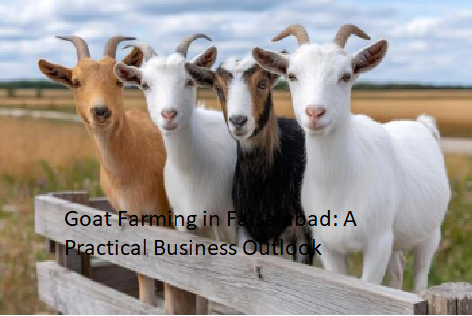
Engaging in goat farming in Faisalabad offers a viable pathway for agricultural entrepreneurs looking to tap into the region’s robust livestock market. With its central location in Punjab and access to major urban consumption centers, the city provides a strategic advantage for both small-scale household setups and large commercial operations.
Understanding the local climate, feed availability, and market dynamics is essential for anyone aiming to turn a profit while maintaining animal welfare. This article provides a clear look at the technical and economic realities of establishing a goat enterprise within this specific industrial and agricultural hub.
The primary financial consideration for goat farming in Faisalabad is the initial capital requirement, which typically ranges from 500,000 to 2,000,000 PKR for a startup of 50 to 100 animals. Factors such as land leasing, shed construction, breed selection, and initial veterinary costs heavily influence these figures.
While land prices in peri-urban areas fluctuate, most farmers prioritize proximity to the Faisalabad grain markets to minimize transportation expenses for fodder. Achieving profitability usually takes between 18 to 24 months, provided the operation maintains a strict health management schedule and efficient breeding cycles.
Strategic Location and Climate Advantages
Faisalabad serves as a critical junction for the livestock trade in central Punjab. Its proximity to major highways allows for the efficient movement of animals to markets in Lahore and Islamabad.
The climate is characterized by hot summers and mild winters, which dictates the specific housing requirements for your herd. Proper ventilation in sheds is non-negotiable during the peak summer months of June and July to prevent heat stress.
Farmers often leverage the local agricultural ecosystem by integrating their operations with nearby crop fields. Utilizing crop residues like wheat straw or maize stover helps significantly reduce feed costs compared to purchasing processed commercial pellets.
This symbiotic relationship with local agriculture makes the region particularly attractive for sustainable livestock practices. You should evaluate your specific site’s access to water and shade before finalizing any land lease or purchase.
Selecting Profitable Breeds
Choosing the right breed is the most important decision for your long-term success. In this part of Pakistan, the Beetal and Rajhanpuri breeds are highly favored for their growth rates and milk production capabilities.
Beetal goats are particularly famous for their hardiness and ability to thrive in the Punjab climate. Their meat quality is widely recognized, ensuring a consistent demand from local butchers and traders.
Dera Din Panah (DDP) goats are another popular choice for those focusing on dual-purpose outputs. These animals are known for their size and weight gain potential under managed feeding conditions.
When selecting your foundation stock, look for animals with strong limbs, clear eyes, and a history of regular vaccinations. Always buy from reputable breeders or established livestock markets to avoid bringing diseased animals into your new farm.
Housing and Infrastructure Requirements
Proper housing protects your investment from predators, extreme weather, and disease outbreaks. A well-designed shed should be elevated from the ground to prevent moisture buildup, which is a leading cause of foot rot and respiratory issues.
Ensure that the floor is sloped slightly to allow for easy cleaning and drainage. A standard rule of thumb is to provide at least 10 to 12 square feet of space per adult animal.
Ventilation is the hallmark of a successful shed design in this region. High ceilings with open sides covered by wire mesh allow for constant airflow while keeping the herd secure.
You should also include a dedicated isolation area for sick animals or new arrivals. This quarantine pen prevents the spread of contagious illnesses, which can devastate a herd if left unchecked.
Feeding and Nutritional Management
Nutrition represents the largest recurring expense in your budget, often accounting for 60-70% of total operational costs. A balanced diet must include a mix of green fodder, dry roughage, and concentrated feed to reach optimal weight targets.
During the winter, berseem clover is a primary source of high-quality protein for the herd. In the summer, farmers often rely on maize or sorghum fodder to maintain energy levels.
Supplements like mineral blocks and salt licks are essential for preventing deficiencies that lead to stunted growth. Many commercial farmers in the region supplement their grain rations with locally sourced cottonseed cake or wheat bran.
Monitoring the body condition score of your goats weekly helps you adjust feed portions to meet individual animal needs. Consistent access to clean, fresh water is equally important for milk production and overall metabolic health.
Veterinary Care and Disease Prevention
Maintaining a rigorous vaccination schedule is the only way to avoid catastrophic losses from common diseases. Peste des Petits Ruminants (PPR) and Enterotoxemia are significant threats that require annual or bi-annual intervention.
Consult with the local veterinary office or the Punjab Livestock and Dairy Development Department to stay updated on current disease outbreaks in the Faisalabad district. Early detection of symptoms like lethargy or loss of appetite can save an entire herd.
Internal and external parasite control is a constant battle in warm climates. Regular deworming cycles should be established based on the advice of a qualified veterinarian.
Keep a detailed medical log for every animal on the farm, tracking dates of vaccinations and treatments. This record-keeping practice is vital for both herd management and for securing better prices when you eventually sell your livestock to buyers who value healthy, well-documented animals.
Market Dynamics and Selling Strategies
Selling your product effectively requires an understanding of seasonal demand fluctuations. Prices for goats typically spike during religious festivals like Eid-ul-Adha, making this the most profitable time to bring your stock to market.
However, a year-round business model should focus on supplying local meat retailers to ensure steady cash flow. Building direct relationships with butchers can help you bypass middlemen who often take a significant cut of your profit.
Marketing your herd through digital platforms and local networks can also increase your reach beyond the immediate Faisalabad area. High-quality photographs of your animals can attract buyers from larger cities who are willing to pay a premium for healthy, well-fed goats.
Transparency regarding the age, weight, and vaccination history of your animals builds trust and fosters repeat business. Always keep an eye on the daily market rates published by regional agricultural boards to ensure you are pricing your stock fairly.
Economic Comparison of Operations
The following table provides a general overview of the cost-to-profit variables typically seen in small-to-medium operations in the region. These figures are estimates based on standard management practices and market conditions.
| Operational Category | Estimated Investment (PKR) | Notes |
|---|---|---|
| Shed Construction | 200,000 – 400,000 | Depends on materials and size |
| Foundation Stock (50 goats) | 600,000 – 1,000,000 | Depends on breed quality |
| Annual Feed Costs | 300,000 – 500,000 | Varies by fodder availability |
| Veterinary & Misc | 50,000 – 100,000 | Vaccines and supplements |
Frequently Asked Questions
How much land is needed for a herd of 100 goats?
For a herd of 100 goats, you generally need about 1,500 to 2,000 square feet for the shed and surrounding exercise yard. If you intend to grow your own fodder, you will need an additional 1 to 2 acres of land depending on the crop yield and irrigation quality.
How long does it take for a goat to reach market weight?
On a balanced diet, most meat-breed goats reach a marketable weight of 25 to 30 kilograms in approximately 6 to 9 months. Growth rates are highly dependent on the quality of concentrated feed and the presence of adequate protein in the diet.
What is the typical price for a 25 kg goat?
Prices fluctuate significantly based on breed, age, and seasonality. In the local Faisalabad market, a healthy, well-fed 25 kg goat typically sells for between 25,000 and 40,000 PKR, though prices often rise significantly during peak demand periods.
Is it better to start with kids or mature goats?
Starting with mature, pregnant does is often better for immediate cash flow as you will get a return on investment within a few months. However, purchasing kids is cheaper, though it requires a longer waiting period before you see any financial return from the sale of offspring.
What are the most common diseases in this region?
PPR, foot-and-mouth disease, and enterotoxemia are the most prevalent issues in the Punjab region. Maintaining a strict sanitation protocol and following the official provincial vaccination schedule is the best defense against these outbreaks.
Conclusion
Starting a venture in goat farming in Faisalabad requires a balance of sound investment in infrastructure and diligent, daily management of animal health. By focusing on high-demand breeds and optimizing your feed costs through local agricultural integration, you can build a sustainable and profitable business. The key to long-term success lies in consistent record-keeping and staying informed about regional market trends.
Always prioritize the welfare of your herd, as healthy animals are the foundation of any successful livestock operation. As you begin your journey, consider starting with a manageable number of animals to learn the nuances of the local climate and trade dynamics.
Engaging with other local farmers and utilizing official resources will provide the support you need to expand your business over time. Consistent effort in this sector remains a proven method for generating reliable agricultural income.
