

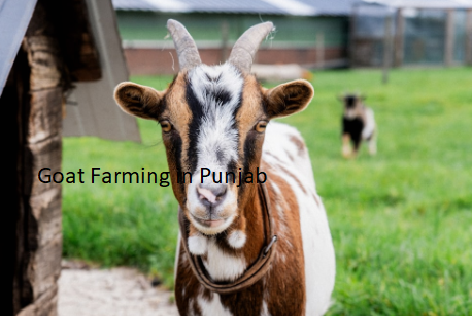
Exploring the potential of goat farming in Punjab provides a lucrative avenue for agricultural diversification in a region traditionally dominated by wheat and paddy cultivation. Farmers looking to break away from the volatility of grain markets find that small ruminants offer a steady, year-round income stream with lower input costs than large-scale dairy operations.
This sector is gaining traction due to the rising demand for high-quality chevon and the relative ease of managing goats in the state’s diverse climatic zones. By understanding the specific needs of local breeds and market dynamics, you can establish a sustainable enterprise that thrives on the unique agrarian landscape of Northern India.
The initial investment required for a commercial unit depends heavily on your scale, but a baseline setup for 50 goats typically costs between ₹4,00,000 and ₹6,00,000. This figure includes the construction of a shed, purchase of breeding stock, initial feed supplies, and essential veterinary equipment.
Profitability in this sector is highly sensitive to your ability to source high-quality feed locally and maintain a low mortality rate through rigorous vaccination schedules. While the margins vary based on whether you sell live animals for meat or focus on breeding high-pedigree stock, many farmers report a return on investment within 18 to 24 months.
Understanding the Economic Potential
The financial viability of goat farming in Punjab is anchored in the state’s high meat consumption and the proximity to major urban markets like Ludhiana, Jalandhar, and Chandigarh. Unlike cattle, goats are browsers rather than grazers, allowing them to thrive on land that might be considered marginal for high-yield crops.
This reduces your reliance on expensive concentrated feed, as the animals can utilize local grasses and shrubs effectively. When you calculate your potential earnings, you must account for the dual-income nature of the business, which includes both the sale of meat and the valuable manure produced by the herd.
Market prices for goats fluctuate based on seasonal demand, particularly during major festivals when the requirement for sacrificial animals spikes significantly. A healthy goat ready for market can fetch anywhere from ₹8,000 to ₹15,000 depending on its weight, breed, and health condition.
Because goats have a shorter reproductive cycle compared to buffaloes or cows, you can achieve a faster turnover of your capital. By maintaining a well-managed flock, you ensure a steady cash flow that provides a buffer against the seasonal income gaps often experienced in traditional crop farming.
Choosing the Right Breed for Punjab
Selecting the appropriate breed is the most critical decision you will make before purchasing your first animal. The Beetal goat is widely considered the most suitable breed for this region because it is indigenous to the area and highly adapted to the local climate.
These animals are known for their excellent milk production and rapid weight gain, making them ideal for both dairy and meat-focused operations. If you decide to go with a cross-breed, ensure that the genetic profile favors hardiness over exotic, high-maintenance traits that may struggle with the intense summer heat of the Punjab plains.
You should prioritize sourcing your foundation stock from reputable government-certified farms or established local breeders. Avoid purchasing animals from unregulated markets where the risk of introducing diseases like Peste des Petits Ruminants (PPR) or contagious caprine pleuropneumonia is significantly higher.
A rigorous quarantine period of at least two weeks is mandatory for any new additions to your farm. This simple practice prevents the spread of pathogens that could otherwise wipe out your entire investment in a matter of days.
Infrastructure and Housing Requirements
Your goat housing facility does not need to be an expensive structure, but it must be functional, ventilated, and dry. A raised-platform design is highly recommended for goat farming in Punjab to prevent the accumulation of moisture and waste beneath the animals.
Elevating the floor by two to three feet allows for better airflow and keeps the goats away from cold damp ground during the winter months. You can use locally available materials like bamboo, wood, or galvanized iron sheets to construct the shed, keeping the cost of infrastructure within your initial budget.
Space management is equally important to prevent overcrowding, which is a leading cause of stress and respiratory issues in small ruminants. Each adult goat requires approximately 10 to 12 square feet of floor space to move comfortably and access feeding troughs.
Ensure that your shed is oriented to allow maximum sunlight exposure in the mornings while providing shade during the harsh afternoon sun. A well-designed shed should also include a separate area for kidding, where pregnant does can be isolated to provide them with the quiet and protection they need during birth.
Managing Feed and Nutrition
Nutrition accounts for roughly 60% to 70% of your total operational expenditure, making it the primary focus for any farmer aiming for high profit margins. A balanced diet for your goats should consist of a mix of green fodder, dry straw, and concentrated feed to ensure optimal weight gain.
Punjab produces a significant amount of agricultural residue like wheat bhusa, which, when treated with urea or molasses, becomes an excellent source of fiber for your herd. You can supplement this with cultivated fodder crops like berseem in the winter and maize or sorghum during the summer months.
Water quality is often overlooked, yet it is essential for the metabolic health and growth rates of your livestock. Goats require clean, fresh water at all times, especially when they are being raised for meat production.
You should install automatic nipple drinkers or clean, elevated troughs that are scrubbed daily to prevent the growth of algae and bacteria. If you have access to extra land, cultivating high-protein legumes like lucerne can significantly reduce your dependence on store-bought concentrates, thereby lowering your overall cost of production per kilogram of weight gain.
Health and Disease Prevention
Disease management is the cornerstone of a successful operation, as sick animals lose weight rapidly and have low market value. You must maintain a strict vaccination calendar, focusing on preventing common regional diseases like PPR, enterotoxemia, and foot-and-mouth disease.
Consult with the Department of Animal Husbandry and Dairying for the latest guidelines on mandatory vaccinations and parasite control programs. Establishing a relationship with a local veterinarian is an essential step that you should take before the animals even arrive on your property.
Deworming is another critical aspect of herd health that you cannot afford to ignore, especially during the monsoon season when parasites are most active. A high parasite load can lead to anemia, stunted growth, and death in younger kids.
Keep a detailed medical log for every animal, noting dates of vaccination, deworming cycles, and any treatments administered for injuries or infections. This record-keeping not only helps you manage your herd’s health but also increases the market value of your animals by demonstrating a history of professional care to potential buyers.
Financial Planning and Subsidies
Government support for goat farming in Punjab is available through various state and central schemes designed to encourage agricultural entrepreneurship. You can apply for capital investment subsidies that cover a portion of the project cost, provided you meet specific criteria regarding land ownership and project size.
These subsidies are often routed through the National Bank for Agriculture and Rural Development (NABARD), which provides detailed project reports and financing guidelines for prospective farmers. It is vital to prepare a comprehensive business plan before approaching any bank to ensure your application is processed efficiently.
To give you a clearer picture of the financial commitment, the following table outlines the approximate breakdown of costs for a small-scale, 50-goat starter unit.
| Expense Category | Estimated Cost (INR) |
|---|---|
| Shed Construction | 1,50,000 |
| Purchase of 50 Goats | 2,50,000 |
| Equipment & Feeders | 50,000 |
| Initial Feed & Medicine | 50,000 |
| Miscellaneous/Contingency | 50,000 |
| Total Initial Investment | 5,50,000 |
Marketing and Sales Strategies
The marketing of your produce determines whether your farm remains a hobby or evolves into a profitable business entity. Many farmers make the mistake of relying solely on middlemen, who often take a significant cut of the final profit.
Instead, consider building direct relationships with local butchers, restaurants, and wholesale traders in nearby cities. By selling directly to the end-user, you capture a larger share of the market value and build a reputation for quality that ensures repeat business.
Diversifying your income streams by exploring value-added products can also provide a competitive edge in the market. If you are keeping dairy-heavy breeds, you can process surplus milk into high-value products like cheese or fermented drinks, which have a growing niche market. Additionally, you should consider the following strategies to maximize your reach:
- Join local farmers’ cooperatives to gain collective bargaining power in the market.
- Use social media platforms to showcase your healthy, well-fed livestock to local buyers.
- Participate in regional livestock exhibitions to network with other professionals and potential buyers.
- Focus on the “farm-to-table” narrative, emphasizing the quality and natural diet of your goats.
- Maintain a consistent supply schedule to become a preferred supplier for regular buyers.
Frequently Asked Questions
How much land is needed for 100 goats?
You generally need about 1,000 to 1,500 square feet of covered space for a shed to house 100 goats. If you intend to grow your own fodder, you should allocate roughly 1.5 to 2 acres of land to ensure a sustainable supply of green feed throughout the year.
What is the subsidy on goat farming in Punjab?
Subsidies are typically provided under central government schemes like the National Livestock Mission, which offers up to 50% back-ended capital subsidy on the project cost. The exact percentage and availability depend on the specific category of the farmer and the current state policy, so you should check with the local district animal husbandry office.
What is the price of a Punjabi goat?
The price of a goat varies based on age, weight, and breed. A young, healthy Beetal goat typically costs between ₹8,000 and ₹12,000, while high-pedigree breeding bucks can command significantly higher prices depending on their lineage and physical characteristics.
What is the profit of 100 goats in India?
With efficient management and low mortality rates, a well-run farm with 100 goats can generate an annual net profit ranging from ₹3,00,000 to ₹5,00,000. This profit is highly dependent on your ability to minimize feed costs and secure a direct market for your animals to avoid heavy middleman fees.
How do I start the registration process for a farm?
You should start by registering your business entity with the local municipal or panchayat authorities and obtaining a GST number if you plan to scale up. It is also advisable to register with the state’s animal husbandry department to qualify for government training programs and vaccination support.
The success of goat farming in Punjab hinges on your commitment to consistent animal health management and smart financial planning. By focusing on indigenous, resilient breeds and utilizing locally available feed resources, you can effectively manage costs while maintaining a high-quality product that meets the consistent demand for meat in the region. The sector offers a reliable path to agricultural stability for those willing to learn the nuances of herd management and market dynamics.
Start small, maintain rigorous records of your expenses and animal health, and look for opportunities to sell directly to consumers to maximize your returns. With a methodical approach, you can build a productive enterprise that thrives within the state’s vibrant agricultural economy.
