

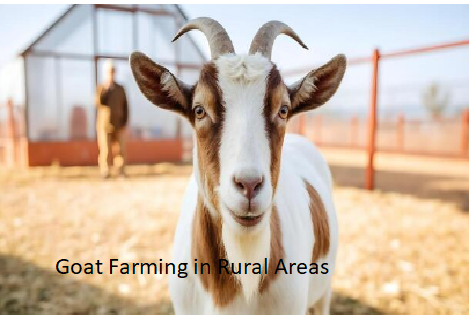
Engaging in goat farming in rural areas offers a unique pathway to agricultural self-sufficiency and supplemental income. Because goats are hardy, smaller than cattle, and highly efficient at converting forage into protein, they are an ideal livestock choice for smallholders.
This article provides a realistic look at the operational requirements, financial considerations, and management practices needed to succeed in this sector. Whether you are aiming for meat, dairy, or fiber production, understanding the specific needs of these animals is the foundation of a viable rural enterprise.
Is goat farming in rural areas profitable?
The profitability of goat farming depends entirely on your production model, market access, and cost management. While large-scale commercial operations often struggle with thin margins, small-scale producers can find success by targeting niche markets like ethnic meat demand or artisanal cheese production. On average, a well-managed herd can yield a return on investment within 24 to 36 months, provided you keep input costs low by utilizing pasture effectively. Success is rarely about mass production; it is about managing herd health and identifying high-value outlets for your specific products.
Establishing the Infrastructure
Before bringing your first animals home, you must secure the perimeter. Goats are notorious escape artists that view fences as mere suggestions rather than boundaries. A woven wire fence at least 48 inches high is the industry standard for keeping predators out and goats in. Avoid using barbed wire, as it can snag the goat’s coat and cause significant injury.
Shelter requirements are relatively straightforward, provided you prioritize ventilation and dryness. Goats hate getting wet and are susceptible to pneumonia if housed in damp, drafty conditions.
A simple three-sided shed facing away from the prevailing wind is usually sufficient for most climates. Ensure the floor is slightly elevated or bedded with straw to keep the animals off the cold ground.
Water access is the most overlooked aspect of infrastructure. A single goat can drink between 1 to 3 gallons of water daily, depending on the temperature and their lactation status.
You must provide clean, fresh water at all times to prevent the spread of parasites and disease. Installing an automated water trough with a float valve saves significant labor time compared to manual bucket filling.
Managing Herd Nutrition
Goats are browsers, not grazers, which means they prefer eating brush, weeds, and tree leaves over standard lawn grass. This natural behavior makes them excellent tools for land management in rural areas where woody vegetation might otherwise take over. You should rotate your goats through different paddocks to prevent overgrazing and break the life cycle of intestinal parasites.
Supplemental feeding is necessary during winter months or when the pasture quality declines. High-quality alfalfa or grass hay should be available to ensure the herd maintains body condition scores. You must also provide a loose mineral supplement specifically formulated for goats, as they require higher levels of copper than sheep but can be sensitive to toxicity if the balance is wrong.
Monitoring body condition is a daily task that prevents long-term health issues. You want to feel the spine and ribs, but not see them protruding sharply.
If you notice a decline in condition, check for parasite loads immediately before simply adding more grain to their diet. Grain is expensive and should only be used to support lactating does or rapidly growing kids.
Financial Breakdown of Startup Costs
Starting a small herd requires careful budgeting to ensure you do not overextend your resources. The following table provides a rough estimate of initial expenses for a startup herd of 10 goats, assuming you already possess the land.
| Expense Category | Estimated Cost Range (USD) |
|---|---|
| Breeding Stock (10 Does, 1 Buck) | $2,500 – $4,000 |
| Fencing (Per Acre) | $1,500 – $3,000 |
| Shelter Construction | $1,000 – $2,500 |
| Equipment (Feeders, Waterers) | $500 – $800 |
| Initial Vet/Vaccination Supplies | $300 – $600 |
These figures represent a conservative baseline for starting goat farming in rural areas. Costs vary significantly based on your regional labor rates and the quality of local materials. Always factor in a 20% contingency fund for unforeseen veterinary bills or equipment repairs.
Health and Parasite Control
Internal parasites, specifically the barber pole worm, represent the greatest threat to a goat herd. Because these worms develop resistance to chemical dewormers rapidly, you must adopt a strategy of selective treatment. Use the FAMACHA scoring system, which involves checking the color of the goat’s inner eyelid, to determine which animals actually need medical intervention.
Vaccination protocols should be established in consultation with a local large-animal veterinarian. At a minimum, most producers vaccinate against Enterotoxemia and Tetanus, often referred to as the CD&T vaccine.
These diseases are common in rural environments and can be fatal if the animals are not protected. Keep thorough records for every animal, including dates of treatments and any observed health issues.
Biosecurity is your first line of defense against disease outbreaks. Never introduce a new animal into your herd without a mandatory 30-day quarantine period.
During this time, observe the animal for signs of illness, test for common diseases like CAE (Caprine Arthritis Encephalitis), and treat for parasites. This simple step protects the health of your entire investment.
Selecting the Right Breed
Your choice of breed should be dictated by your end goal rather than aesthetic appeal. If you are interested in milk production, breeds such as the Nubian or Alpine are the industry leaders. Nubians are known for their high butterfat content, while Alpines are prized for their volume and hardiness in varied climates.
For meat production, the Kiko and Boer breeds are the most popular choices. Kikos were developed in New Zealand specifically for their parasite resistance and ability to thrive on minimal inputs, making them ideal for rugged terrain. Boers grow faster and produce larger carcasses, but they often require more supplemental feed to reach their full potential.
If you are interested in fiber, consider the Angora or Cashmere goat. These breeds require more frequent grooming and protection from the elements to keep the fiber clean and high-quality.
Regardless of the breed, always source your foundation stock from reputable breeders who provide health records. You can find more detailed information on breed standards through the Oklahoma State University Department of Animal and Food Sciences.
Land Requirements and Capacity
A common question involves how many goats can safely graze on a specific parcel of land. While you may read that you can hold 6 to 8 goats per acre, this is a dangerous simplification. The actual carrying capacity depends on soil quality, rainfall, and your willingness to provide supplemental hay.
For 100 goats, you generally need at least 10 to 20 acres of well-managed, rotated pasture to avoid turning your land into a dust bowl. If you have less acreage, you must transition to a dry-lot system where you bring the feed to the goats. This increases your overhead costs significantly but allows you to maintain higher stocking densities without degrading the soil.
Managing the land itself is just as important as managing the goats. Soil testing should be performed annually to determine if you need to lime or fertilize your pastures.
Healthy soil supports better forage growth, which in turn leads to healthier goats and lower feed bills. Implementing a rotational grazing plan is the single most effective way to improve your land’s long-term productivity.
Marketing Your Goat Products
Finding the right market for your output is the final piece of the business puzzle. Many rural farmers find success by selling directly to consumers through local farmers’ markets or farm-gate sales. If you are selling meat, you must understand your state’s regulations regarding the slaughter and processing of livestock.
Goat dairy products, such as artisanal cheeses or soaps, often command higher prices than raw milk. These value-added products require additional licensing and facility inspections, but they can significantly increase your profit margins. Do not underestimate the time required to build a customer base and manage the logistics of distribution.
* Direct-to-consumer sales via local markets
* Partnering with local ethnic grocery stores
* Selling breeding stock to other hobbyists
* Online sales of value-added goods like soap or yarn
* Contract grazing services for fire prevention or brush clearing
Consistency is key when building a brand. Whether you are selling milk or meat, your customers will expect a uniform product every time they purchase from you. Maintain clear communication about your farming practices, as many consumers in rural areas value transparency and ethical animal treatment.
FAQ
How many acres do you need to raise 100 goats?
You generally need between 10 and 20 acres of high-quality, managed pasture to support 100 goats. If your soil quality is poor or you do not practice intensive rotational grazing, you may need significantly more land or be prepared to feed hay year-round.
How much does it cost to buy two baby goats?
Prices for kids vary based on breed, registration status, and lineage. You can expect to pay anywhere from $150 to $400 for a single wether or doe kid, though high-quality show-line animals can cost much more.
Do goats need a special diet in winter?
Yes, goats require high-quality hay during the winter because they cannot forage for their own food in the snow or frozen ground. They also need extra energy to stay warm, which may require a small amount of grain or high-protein supplements like alfalfa.
Is it necessary to have a buck on the farm?
It is not necessary to own your own buck, especially for a small herd. You can often pay a “stud fee” to borrow a buck from a neighbor, which avoids the cost and difficulty of housing a breeding male year-round.
How often should I trim goat hooves?
Hooves should be checked every 6 to 8 weeks, though the frequency depends on the terrain and the individual goat’s growth rate. If you keep your goats on rocky, hard ground, they may naturally wear their hooves down, but most domestic goats require manual trimming.
Conclusion
Success in goat farming in rural areas is built on a foundation of careful planning, consistent animal husbandry, and a realistic understanding of your local market. By focusing on infrastructure, health management, and sustainable grazing practices, you can create a productive enterprise that benefits your land and your bottom line. While the work is physically demanding, the rewards of raising healthy livestock are substantial. Start small, prioritize the well-being of your herd, and remain flexible as you learn the unique rhythms of your farm. As you build your operation, keep records, monitor your costs, and continue learning from other producers in your region to ensure long-term viability.
