

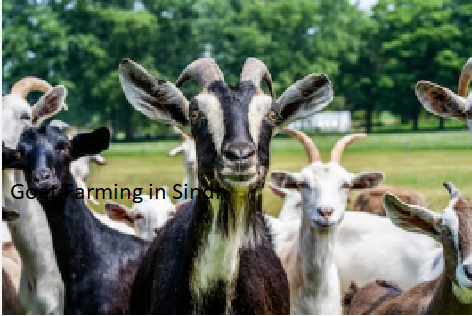
Goat farming in Sindh has emerged as a cornerstone of the provincial agricultural economy, providing a reliable livelihood for thousands of rural households. The region’s arid climate and abundance of native shrubbery make it uniquely suited for small-ruminant production, particularly for hardy breeds like the Kamori and Pateri.
Investors and smallholders alike are increasingly turning to this sector due to the high demand for meat in urban centers like Karachi and Hyderabad. Understanding the specific environmental conditions and market dynamics is essential for anyone looking to establish a sustainable operation in this part of Pakistan.
When analyzing the financial entry point for goat farming in Sindh, the cost varies significantly based on scale, location, and infrastructure. A modest startup with 20 to 30 goats typically requires an initial investment between 300,000 and 600,000 Pakistani Rupees. This budget covers the purchase of foundation stock, basic shed construction, and initial vaccination supplies.
Land costs are highly variable, but many farmers in rural Sindh utilize leased agricultural land or existing family plots to minimize overhead. For those seeking professional guidance on animal health and regional best practices, the Food and Agriculture Organization provides valuable resources on livestock management in arid climates.
Selecting the Right Breeds for Sindh
The success of your enterprise depends almost entirely on choosing a breed that thrives in the local environment. Sindh is home to several world-class goat breeds that have evolved to withstand high temperatures and seasonal water scarcity.
The Kamori goat is perhaps the most famous, known for its distinctive long ears and impressive body size. These animals are highly prized for their meat production potential and are often sought after for sacrificial markets.
Another robust option for local farmers is the Pateri goat. This breed is smaller than the Kamori but is exceptionally hardy and capable of foraging on sparse vegetation.
Many farmers prefer the Pateri because it requires less intensive supplemental feeding during the summer months. The Barbari goat is also common in peri-urban areas, favored for its ability to produce milk alongside meat.
When selecting your foundation stock, look for animals that exhibit clear signs of health, such as a bright coat and active demeanor. Avoid purchasing from large, mixed-breed herds where disease transmission is common.
Always quarantine new arrivals for at least two weeks before introducing them to your main flock. This simple step prevents the introduction of respiratory infections or parasites that can devastate a new, vulnerable herd.
Infrastructure and Housing Requirements
Building a functional shed is more about protection from the elements than aesthetics. Sindh experiences intense heat during the summer and cool nights in the winter, so your housing must provide adequate ventilation and shelter.
A simple shed with a raised floor is ideal for preventing moisture accumulation and foot rot. Use locally sourced materials like wood, bamboo, or mud bricks to keep construction costs low.
Space management is a critical factor in preventing the spread of disease within your herd. Aim for approximately 10 to 12 square feet of floor space per adult goat to ensure they have room to move and feed comfortably.
Divide your shed into specific sections to isolate pregnant does, nursing kids, and sick animals. This layout allows for easier monitoring and ensures that your most vulnerable animals receive the nutrition they need without competition from the rest of the flock.
Proper drainage is non-negotiable in goat farming in Sindh. Since the region can experience sudden, heavy monsoon rains, your shed should be positioned on slightly elevated ground.
Ensure that the floor is sloped to allow water to run off immediately. A dry environment is the single most effective way to keep your goats free from common bacterial foot infections and respiratory issues.
Feeding Strategies and Forage Management
Goats are natural browsers rather than grazers, which makes them highly efficient at converting low-quality brush into high-value meat. In Sindh, you should leverage natural vegetation like kandi and babool trees to supplement your feed costs.
However, relying solely on natural forage is rarely sufficient for commercial growth. You must supplement their diet with concentrated feed, especially during the dry season when natural grasses are dormant.
A balanced feeding program should include a mix of green fodder and dry matter. During the peak of summer, you may need to provide stored hay or silage to maintain the animal’s weight.
Many successful farmers in Sindh utilize agricultural by-products like wheat straw or cottonseed cake to provide essential proteins. This practice not only lowers your feed costs but also supports the local circular economy by utilizing waste from other crops.
Water access is perhaps the most important element of your feeding strategy. A mature goat requires roughly 4 to 6 liters of clean water per day, and this amount increases significantly during the hot summer months.
Install automatic waterers if possible, as they reduce the risk of contamination compared to open troughs. Dehydrated goats are prone to digestive issues and will show significantly lower growth rates regardless of the quality of their feed.
Health Protocols and Disease Control
Preventative care is far cheaper and more effective than trying to cure a sick animal. Establish a vaccination schedule with a local veterinarian as soon as you acquire your first goats.
Common diseases in Sindh include Peste des Petits Ruminants (PPR) and enterotoxemia, both of which can be prevented with routine shots. Keep a detailed logbook for every animal in your herd, recording dates of vaccinations, deworming, and any observed health changes.
Internal parasites are a constant challenge for goat farmers in the humid or irrigated zones of the province. Use a rotational deworming schedule to prevent the build-up of resistance in the parasite population.
Consult with your local agricultural extension office to determine which anthelmintics are most effective in your specific area. When you notice a goat lagging behind the herd or losing weight despite a good appetite, treat it as a potential parasite case immediately.
Biosecurity is the final line of defense for your investment. Limit the number of visitors to your farm, especially those coming from other livestock operations.
If you must bring in new animals, perform a thorough physical examination to check for signs of skin diseases or respiratory distress. Implementing these strict protocols will protect your herd from outbreaks that could otherwise lead to significant financial losses.
Market Dynamics and Selling Your Stock
Marketing is where your labor turns into profit, and understanding the seasonal demand in Sindh is vital. The market for goat meat, or chevon, peaks dramatically during the Eid-ul-Adha festival.
Many farmers plan their breeding cycles to ensure that their kids reach prime market weight just before this period. Selling during these high-demand windows can increase your profit margins by 30% to 50% compared to off-season sales.
For day-to-day operations, you should identify reliable local butchers and livestock traders in your nearest town. Building a reputation for quality—meaning healthy, well-fed animals—will help you secure a consistent buyer base.
If you are operating on a larger scale, consider direct-to-consumer sales in urban centers. This eliminates the middleman and allows you to capture a larger share of the retail price.
Tracking your expenses is just as important as tracking your sales. Many small-scale farmers fail because they do not account for the hidden costs of labor, medication, and transportation. Use the following table as a template to track your monthly operational costs and ensure your business remains profitable.
| Expense Category | Estimated Monthly Cost (PKR) | Notes |
|---|---|---|
| Supplemental Feed | 15,000 – 25,000 | Depends on seasonal forage |
| Vaccines/Medicine | 2,000 – 4,000 | Based on herd size |
| Utility/Water | 1,500 – 3,000 | Depends on pumping method |
| Labor/Support | 8,000 – 15,000 | Part-time or family help |
Common Challenges for New Farmers
The primary challenge in goat farming in Sindh is the unpredictability of the climate, particularly the impact of heat waves. High temperatures can cause heat stress, which leads to reduced fertility in bucks and lower milk production in does.
You can mitigate this by planting shade trees around the perimeter of the farm and ensuring that the barn roof is insulated. Proper airflow is essential; consider installing ceiling fans if you have access to consistent electricity.
Predator control is another concern, particularly in more remote or rural districts. Foxes and stray dogs can be a threat to young kids if your fencing is not secure.
Use high-quality wire mesh and ensure that the fence is buried at least six inches into the ground to prevent digging. A well-trained guard dog can also be an effective, low-cost deterrent against local predators.
Financial planning is the area where most beginners struggle the most. Do not expect to make a full return on your investment within the first year. It takes time for the herd to grow through natural reproduction and for you to understand the local market cycles.
Maintain a cash reserve that can cover at least three months of operational expenses. This buffer will allow you to hold onto your stock during price dips rather than being forced to sell at a loss.
Frequently Asked Questions
How much land is needed for 100 goats?
A herd of 100 goats requires significantly less land than cattle because they are browsers. You need about 0.5 to 1 acre of land for the shed and exercise area, but you should have access to at least 5 to 10 acres of rangeland or pasture for browsing.
What is the price of a 25 kg goat in Pakistan?
Prices fluctuate based on the season and the breed of the animal. As of recent market trends, a healthy 25 kg meat-type goat typically sells for between 25,000 and 40,000 PKR, though prices spike significantly ahead of religious holidays.
Which goat breeds are best for Sindh?
The Kamori and Pateri breeds are the most popular choices due to their natural adaptation to the local climate. These breeds are highly resilient, grow relatively quickly, and are well-recognized by local buyers, which simplifies the marketing process.
Is it profitable to start with a small herd?
Yes, starting with a small herd of 10 to 20 animals is often the best way to learn the ropes of goat farming in Sindh without taking on excessive financial risk. You can scale your operation gradually as you gain experience and reinvest your profits into better feed and infrastructure.
How often should I deworm my goats?
Deworming frequency depends on your specific farm conditions and the local parasite pressure. Generally, you should deworm your herd every three to four months, but you should always consult a local veterinarian to create a schedule tailored to your animals’ health history.
Conclusion
Starting a business in goat farming in Sindh requires careful planning, a focus on animal health, and a realistic understanding of the local market. By selecting hardy breeds, maintaining a clean and well-ventilated facility, and tracking your expenses, you can build a stable income stream that grows with your experience. The combination of high demand for meat and the suitability of the region’s landscape makes this a viable venture for those willing to put in the consistent, daily work.
Success in this field is rarely accidental; it comes from proactive management and constant learning. Start small, monitor your flock closely, and engage with the local farming community to share knowledge and resources.
As you refine your processes and build your herd, the potential for long-term growth in the agricultural sector remains strong. We encourage you to take the first step by visiting a local farm or contacting an agricultural extension officer to begin your journey.
