

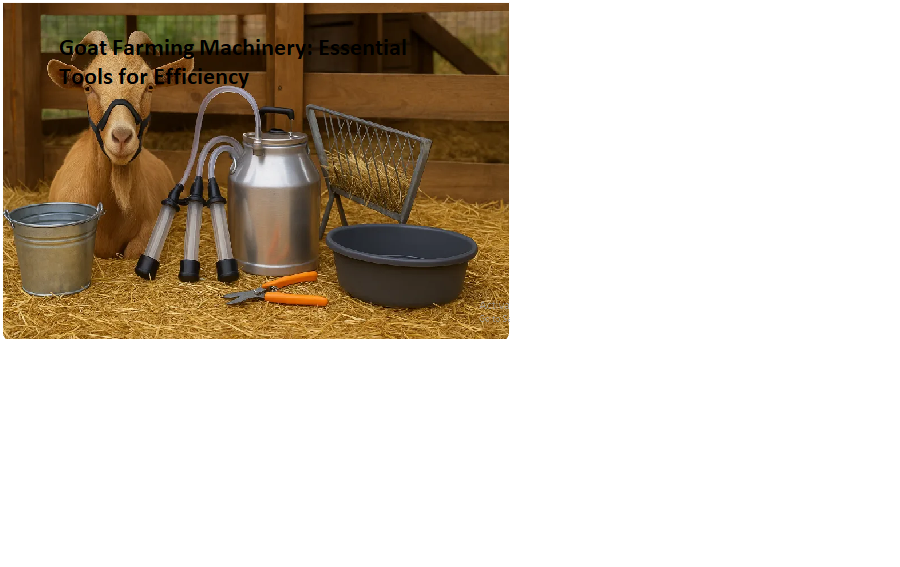
Investing in proper goat farming machinery significantly transforms the daily labor requirements of livestock management. By automating repetitive tasks like feeding, cleaning, and milking, producers can expand their herd size without a proportional increase in manual hours. This article explores the specific equipment needed to scale your operations effectively while maintaining high standards of animal welfare.
The Essential Equipment Baseline
For a commercial operation, goat farming machinery starts with reliable infrastructure and feeding systems. You need a setup that minimizes waste and prevents the contamination of feed, which is a common vector for disease. Automated hay racks and grain dispensers allow for precise portion control, ensuring that high-producing does receive adequate nutrition without overfeeding.
Water delivery is equally critical, as goats require clean, fresh water to maintain milk production and overall health. Automatic trough systems with float valves ensure that water is constantly replenished, reducing the time spent manually refilling tanks. These systems also prevent the growth of algae and bacteria by maintaining a constant flow, which is superior to stagnant water sources.
Milking Technology and Infrastructure
Milking is the most time-consuming task on a dairy goat farm, making it the primary target for mechanization. Small-scale producers often start with portable milking machines that feature a vacuum pump and a stainless-steel bucket. These units allow you to milk two goats simultaneously, effectively doubling your speed compared to hand milking.
For larger herds, a dedicated milking parlor is the standard for professional efficiency. A rotary or parallel parlor setup uses specialized liners and vacuum regulators to mimic natural suckling, which reduces the risk of mastitis. Modern parlors also include electronic milk meters that track individual yield, providing data to help you identify your most productive animals.
Waste Management and Sanitation
Efficient waste management is the backbone of a sanitary goat barn. Scraper systems or specialized tractor-mounted blades are essential for clearing bedding and manure from stalls quickly. These machines prevent the buildup of ammonia, which is harmful to the respiratory health of your animals.
Pressure washers serve as the primary tool for deep cleaning pens between kidding seasons. High-pressure water effectively removes organic matter from walls and flooring, making the subsequent application of disinfectant more successful. Maintaining a clean environment is the most effective way to lower veterinary costs and prevent the spread of parasites.
Fencing and Handling Systems
Proper handling systems are a form of machinery that prioritizes both human and goat safety. A well-designed chute with a head-gate allows you to restrain animals securely for vaccinations, hoof trimming, or veterinary exams. These systems prevent injuries to the handler and reduce stress for the goats, which is vital for maintaining productivity.
Electric fencing systems function as a dynamic boundary for pasture management. By using portable solar-powered energizers, you can create rotational grazing paddocks that keep the grass healthy and reduce parasite loads. This technology allows you to move your herd across different sections of land with minimal physical effort.
Comparing Investment Costs
The cost of goat farming machinery varies widely depending on the scale of your operation and the level of automation. Small-scale setups often focus on manual-assist tools, while large-scale commercial farms prioritize high-throughput automation. The following table provides a general breakdown of investment categories for new and expanding farms.
| Equipment Category | Estimated Investment Range | Primary Benefit |
|---|---|---|
| Portable Milking Units | $800 – $2,500 | Reduced labor time |
| Automatic Waterers | $150 – $500 per unit | Hydration consistency |
| Handling/Chute System | $1,500 – $4,000 | Animal safety & control |
| Feed Dispensing Systems | $500 – $2,000 | Feed waste reduction |
| Manure Scrapers/Blades | $1,000 – $3,000 | Sanitation speed |
Essential Tools for Herd Health
Beyond heavy machinery, small tools are vital for daily health monitoring and maintenance. Hoof trimmers, for instance, are non-negotiable for preventing lameness in confined herds. Investing in high-quality, ergonomic shears reduces the physical strain on your hands during long sessions of maintenance.
You should also maintain a basic diagnostic kit for your barn. This includes digital thermometers, stethoscopes for checking rumen health, and proper weighing scales. Monitoring the weight of your kids is a key indicator of growth and helps you adjust nutrition programs before health issues become apparent.
- Digital scales to track growth rates and medication dosages.
- Hoof trimming shears with replaceable blades for long-term use.
- Colostrum warming baths for ensuring newborn kid survival.
- Electric clippers for hygiene and udder preparation before milking.
- Vaccination guns with adjustable dose settings for herd-wide health.
Pasture and Forage Equipment
If you manage significant acreage, forage management machinery becomes necessary to sustain your herd through the winter. A small tractor with a sickle-bar mower or a rotary cutter is often sufficient to maintain pasture health and clear invasive weeds. You may also need a baler if you plan to produce your own hay during the growing season.
For those who purchase feed, a simple tractor-mounted front-end loader is essential for moving large round bales. This tool replaces hours of back-breaking manual labor and allows you to move heavy supplies across uneven terrain with ease. It also serves as a utility vehicle for transporting equipment, fencing supplies, and bedding materials throughout the farm.
Maintenance and Longevity
Investing in machinery is only half the battle; maintaining it is where the real value lies. You must adhere to a strict service schedule for all engines and vacuum pumps to prevent unexpected downtime. Regularly changing filters and checking belt tension can prevent costly repairs that halt your milking or feeding operations.
Consulting the Food and Agriculture Organization resources can provide additional context on best practices for livestock welfare and equipment standards. Keep a logbook of all maintenance activities, including dates of service and parts replaced. This documentation is also useful if you ever decide to sell your equipment or upgrade to newer, more efficient models.
Frequently Asked Questions
How many acres do you need to raise 100 goats?
The amount of land required depends heavily on your feeding strategy. If you rely entirely on pasture, you might need 10 to 20 acres depending on the forage quality. However, if you use a dry-lot system with supplemental hay, you can manage 100 goats on as little as two to three acres.
Is a goat farm profitable?
Profitability is achievable but requires careful management of input costs and high-value product sales. Operations focusing on direct-to-consumer dairy products or high-quality meat often see better margins than those selling into commodity markets. Success depends on your ability to minimize waste through efficient machinery and animal care.
What is the most profitable goat product?
Dairy products, such as artisanal cheeses and yogurt, generally offer the highest profit margins for small-scale farms. These products add value to the raw milk, allowing you to capture more of the retail price. Meat production can be profitable, but it typically requires a larger scale to offset the lower per-animal profit margin.
What equipment do you need for goats?
At a minimum, you need secure fencing, a dry shelter, fresh water troughs, and basic medical supplies. As you scale, you will need milking equipment, specialized feeding racks, and handling chutes to ensure efficiency. Always prioritize equipment that makes daily chores safer and faster for both you and the animals.
How often should I clean the barn?
Daily removal of wet bedding and manure is recommended to keep ammonia levels low and prevent hoof rot. A full deep-clean, including power washing and disinfection, should occur at least once a year. Ideally, schedule this deep-clean during a period when the barn is empty, such as between weaning and the next breeding cycle.
Conclusion
Integrating the right machinery into your farm setup is a strategic decision that directly influences your bottom line. By focusing on efficiency in milking, feeding, and sanitation, you create a more sustainable environment for your herd. While the initial investment in high-quality goat farming machinery may seem significant, the long-term gains in labor reduction and animal health are substantial.
Start by addressing your most time-intensive bottlenecks, then expand your toolkit as your herd grows and your revenue stabilizes. Consistent maintenance and a focus on animal-centered design will ensure your equipment serves you for years to come.
