

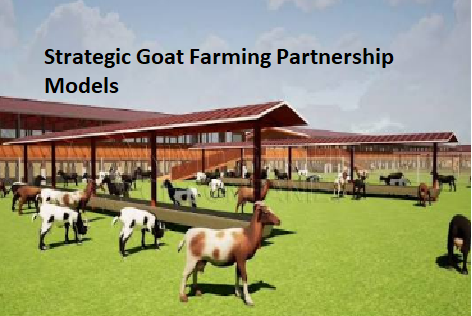
Entering into a professional goat farming partnership requires a clear understanding of capital contributions, labor distribution, and profit-sharing mechanisms. Farmers often seek these arrangements to scale operations, share the burden of high startup costs, or combine specialized skills like breeding expertise with marketing acumen. Establishing a formal agreement early prevents common disputes regarding animal ownership, herd management, and long-term land usage.
Successfully managing a goat farming partnership typically yields a net profit margin of 15% to 25% for well-run operations. This figure fluctuates based on whether the primary focus is meat production, dairy yield, or fiber harvesting.
Meat-focused operations often reach profitability faster due to shorter production cycles, while dairy goat ventures require significant investment in specialized milking infrastructure. Most commercial farms aim for a return on investment within three to five years of initial capital injection.
Structuring the Legal Agreement
A robust partnership document serves as the foundation for any successful agricultural venture. You must clearly define the contribution of each partner, whether that involves land, breeding stock, or liquid capital. Without a written contract, disagreements over the valuation of assets or the division of daily labor often derail the business.
Your agreement should include specific clauses regarding the dissolution of the partnership. If one partner decides to exit, the remaining partner needs a clear mechanism to buy out their share without liquidating the entire herd. Consider including a right of first refusal, which gives the remaining partner the first opportunity to purchase the exiting party’s interest at a pre-determined or appraised market value.
Land Requirements and Herd Scaling
The amount of land needed for a goat farming partnership depends heavily on your feeding strategy and local climate. Generally, you can support six to eight adult goats per acre if you utilize rotational grazing. If you choose to keep the animals in a barn and source hay externally, your land requirement drops significantly, but your overhead costs for feed will rise.
For a commercial operation aiming for 100 head of goats, you should secure at least 15 to 20 acres of pasture to ensure proper rotation and parasite management. Overstocking is a common error that leads to soil degradation and increased veterinary bills. Always account for future expansion by securing access to additional acreage or entering into long-term lease agreements with neighboring landowners.
Key Financial Considerations
Financial planning in a goat farming partnership must distinguish between fixed and variable costs. Fixed costs include land taxes, equipment maintenance, and insurance, while variable costs encompass feed, veterinary care, and marketing expenses. A detailed budget should be prepared annually and reviewed quarterly to adjust for market fluctuations in feed prices.
| Expense Category | Estimated Annual Allocation |
|---|---|
| Feed and Supplements | 40% |
| Veterinary and Health | 15% |
| Equipment and Maintenance | 20% |
| Marketing and Logistics | 10% |
| Reserve/Contingency | 15% |
Keep a tight grip on these numbers to ensure the operation remains sustainable. When partners contribute unequal amounts of capital, the profit-sharing structure should reflect those differences. Some partnerships use a tiered distribution model where initial profits go toward paying back the primary investor before the remaining income is split based on labor contributions.
Operational Roles and Responsibilities
Assigning specific roles is critical to avoiding burnout and operational friction. In a typical goat farming partnership, one partner often focuses on the “front of house” tasks, such as sales, government compliance, and networking. The other partner usually manages the “back of house” activities, including herd health, breeding schedules, and pasture maintenance.
Documenting these roles in a management manual ensures that both parties understand their daily expectations. If one partner is responsible for the vaccination schedule, they must be the one to maintain the digital records for the flock. This accountability prevents the common scenario where both partners assume the other has completed a time-sensitive task like hoof trimming or mineral supplementation.
Marketing and Sales Strategies
Diversifying your revenue streams is the most effective way to protect a goat farming partnership from market volatility. Relying solely on one buyer or one type of product puts the entire business at risk if that specific market dips. Many successful farms implement a mix of direct-to-consumer sales and wholesale contracts.
* Meat sales: Target holiday seasons when demand for goat meat spikes in specific cultural markets.
* Dairy products: Process raw milk into high-margin items like artisanal cheese or yogurt if local regulations permit.
* Breeding stock: Sell registered, high-quality kids to other farmers to build a reputation for superior genetics.
* Manure sales: Package and sell processed goat manure as a premium fertilizer to local organic gardeners.
You can learn more about managing herd health and production standards by visiting the United States Department of Agriculture research portal for relevant agricultural data. Aligning your production goals with these established benchmarks helps in qualifying for industry grants and low-interest loans. Always keep your marketing materials updated with current health certifications to maintain buyer trust.
Risk Management and Insurance
Goat farming carries inherent risks, from predator attacks to sudden disease outbreaks. A comprehensive insurance policy is non-negotiable for any partnership. You should look for coverage that includes property damage, liability, and specialized livestock mortality insurance.
Predator control is another form of risk management. Investing in livestock guardian dogs or high-tensile electric fencing is a standard practice that pays for itself by preventing losses.
If a partner is unwilling to invest in these protective measures, the partnership is essentially gambling with its primary assets. Always perform a risk assessment on your specific property before bringing the first animals onto the land.
Scaling and Future Growth
Planning for growth is essential to ensure that your goat farming partnership remains relevant in a competitive market. As your herd size increases, you will eventually reach the limit of your current infrastructure. You must decide whether to reinvest profits into capital improvements like automated milking parlors or to diversify into new breeds that offer better market prices.
Consider the long-term viability of your chosen breed. If you start with a generic meat breed, you might later decide to transition to a breed known for higher milk production or superior fiber quality.
Each transition requires a clear plan that accounts for the potential downtime in production. Never scale up so quickly that you sacrifice the quality of care or the health of your existing herd.
Technology and Herd Management
Modern goat farming relies on data to track individual performance. Using farm management software allows you to record birth dates, weight gain, and health treatments for every goat. This information is vital for a partnership because it provides an objective record of the business’s progress.
When partners can access the same digital dashboard, it eliminates confusion regarding the current status of the herd. You can track which animals are the most productive and which ones are costing the partnership money in excessive veterinary bills. This level of transparency is essential for making informed decisions about which animals to cull and which ones to keep for future breeding.
Frequently Asked Questions
How much does a goat farming partnership cost to start?
Startup costs vary widely based on land ownership and scale, but a modest operation usually requires at least $20,000 to $50,000 for initial stock, fencing, and basic housing. If you already own the land, you save significantly on the largest capital expense.
How do partners divide the workload?
Divide work based on individual strengths and availability. One partner might handle the physical labor of daily feeding and health checks, while the other manages the financial records, marketing, and legal compliance.
What happens if the partnership fails?
A well-drafted partnership agreement should contain a dissolution clause. This dictates how the assets are divided, how the herd is sold or split, and how debts are settled to ensure both parties are treated fairly.
Is it better to focus on meat or dairy?
Focusing on dairy often yields higher profit per animal but requires much higher startup costs for milking facilities and strict hygiene compliance. Meat goats require less specialized equipment but rely on higher volume to achieve similar profit levels.
How do you value the goats for the partnership?
Use current market prices for the specific breed and age of the animals. You may hire a professional livestock appraiser if the herd is large or contains high-value registered breeding stock to ensure both partners agree on the valuation.
Establishing a Sustainable Future
Building a successful goat farming partnership is as much about people management as it is about animal husbandry. Clear communication, documented agreements, and shared financial goals create the stability needed to weather the inevitable challenges of agricultural life. By focusing on efficient land use, diversified revenue streams, and data-driven management, you position your venture for long-term viability.
Take the time to draft a thorough business plan before purchasing your first set of kids. Review your progress against that plan every few months to ensure you are meeting your financial targets.
When you approach your goat farming partnership with professional rigor and a commitment to transparency, you create a foundation that supports both the health of your herd and the success of your business. Reach out to local agricultural extension offices to connect with mentors who can offer region-specific advice on herd management and local market demands.
