

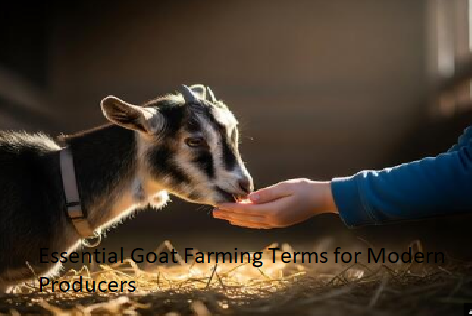
Understanding common goat farming terms is the first step toward managing a healthy herd and communicating effectively with veterinarians or fellow breeders. Whether you are managing a small homestead or a commercial dairy operation, knowing the precise vocabulary ensures you can track production metrics and animal health accurately. This article breaks down the essential terminology you need to navigate the industry with confidence and clarity.
Learning the correct goat farming terms starts with identifying the animals by their sex and age. A mature female goat that has given birth is called a doe or sometimes a nanny. Conversely, a mature intact male is referred to as a buck or a billy.
If a male has been castrated, he is known as a wether. Understanding these labels is vital because each category has different nutritional requirements and management protocols. For example, a wether is often kept for fiber production or as a companion, whereas a buck is managed specifically for breeding purposes.
Classification by Age and Development
Young goats are generally classified by their stage of life to help farmers plan for weaning and nutritional transitions. A newborn or young goat of either sex is called a kid. Once a kid is weaned from its mother’s milk, it is often referred to as a weanling. As they approach maturity, young females are sometimes called doelings, while young males are called bucklings. Keeping these distinctions clear helps you monitor growth rates and ensure that young animals receive the proper protein levels required for their development.
Herd Management and Social Structures
Goats are highly social animals, and their group dynamics are often described using specific industry language. A group of goats is collectively referred to as a trip, a drove, or a herd. Understanding the hierarchy within a herd is crucial for identifying the “lead doe” who dictates movement and grazing patterns. When you observe your animals, you might notice browsing behavior, which is how goats feed on shrubs and high-growing plants rather than grazing strictly on grass like sheep. This distinction is important because it dictates how you manage your pastures and browse rotation.
Reproductive and Breeding Terminology
Successful breeding programs rely on precise reproductive goat farming terms to ensure seasonal efficiency. A doe in heat is said to be in estrus, a period typically lasting 12 to 36 hours. The process of giving birth is called kidding, and the act of a doe producing milk is referred to as lactation. If a doe is bred but fails to conceive, she is often described as open. Tracking these states in a logbook is standard practice for farmers who want to maximize their kidding percentage and manage milk supply cycles effectively.
Health and Veterinary Vocabulary
Monitoring animal health requires you to understand terms related to physical condition and common ailments. A body condition score (BCS) is a numerical scale, usually 1 to 5, used to assess the fat reserves and nutritional status of your goats. If you notice a goat suffering from internal parasites, you might discuss FAMACHA scoring, a method of checking the lower eyelid’s color to determine the level of anemia. These specific indicators allow you to administer targeted treatments rather than blanket-treating the entire herd. For more detailed information on biosecurity and health management, you can refer to the USDA Animal and Plant Health Inspection Service portal.
Production and Fiber Terminology
Farmers specializing in fiber production use distinct vocabulary to describe the quality and harvest of their products. Mohair is the fiber produced by Angora goats, while cashmere refers to the soft undercoat grown by certain breeds. When it is time to harvest this fiber, the process is called shearing. The quality of the fleece is often judged by its crimp, which refers to the natural wave or texture of the hair fibers. Understanding these terms helps when you are marketing your fiber to mills or private buyers.
Equipment and Facility Jargon
Setting up your farm requires familiarity with the structures and tools used to house and manage livestock. A kidding pen is a small, enclosed area where a doe is kept before and after giving birth to ensure she bonds with her kids. You will also use a milking stand if you are involved in dairy production, which keeps the animal elevated and steady during the milking process. Proper fencing is often referred to as high-tensile or woven-wire, and selecting the right type is essential for preventing predation. Keeping your equipment clean and functional is a major part of efficient daily operations.
Comparative Data for Goat Production
Comparing different aspects of production helps farmers decide which breeds or methods best suit their economic goals. The following table illustrates common metrics used in the industry to evaluate farm performance.
| Metric | Typical Range or Goal | Impact on Profitability |
|---|---|---|
| Weaning Weight | 35–50 lbs | High impact on meat sales |
| Lactation Length | 280–305 days | Key for consistent milk supply |
| Kidding Rate | 1.5–2.0 kids/doe | Primary driver of herd expansion |
| Birth Weight | 6–10 lbs | Indicator of kid vigor |
Common Milestones and Procedures
Managing a herd involves adhering to a calendar of events that ensures the long-term viability of your operation. Key milestones include vaccination schedules, hoof trimming, and castration timing.
- Disbudding: The process of removing horn buds on a kid to prevent horn growth.
- Drenching: Administering liquid medication or dewormer orally to the animal.
- Culling: The intentional removal of animals from the herd due to age, health, or temperament.
- Creep Feeding: Providing supplemental feed to kids while preventing adults from accessing it.
- Rotational Grazing: Moving goats between paddocks to manage forage and parasite loads.
FAQ: Common Questions on Goat Farming
What is the difference between a buck and a wether?
A buck is an intact male goat capable of breeding, while a wether is a male that has been castrated. Castration is a common practice to prevent unwanted breeding and to make the animal easier to handle as it matures.
How do I know if my goat is in estrus?
Common signs of estrus include a doe becoming vocal, wagging her tail frequently, and showing increased interest in a buck. She may also experience a slight decrease in milk production or a change in her grazing habits during this time.
What does it mean to cull an animal?
Culling refers to the removal of an animal from your herd. This is usually done for objective reasons, such as chronic health issues, poor reproductive performance, or aggressive behavior that makes the animal a danger to others.
Why is body condition scoring important?
Body condition scoring allows you to objectively measure if a goat is too thin or too fat. By monitoring this score, you can adjust feed rations before the animal develops health problems or reproductive issues due to poor nutrition.
Is there a difference between browsing and grazing?
Yes, goats are browsers, meaning they prefer to eat leaves, twigs, and bark from shrubs and trees. Grazing refers to eating grass and low-growing vegetation, which is the primary habit of sheep and cattle.
Conclusion
Mastering these industry-standard terms will significantly improve your ability to manage your animals and communicate with other producers. Whether you are discussing breeding cycles or evaluating a new herd member, using the correct vocabulary ensures that you remain precise in your decision-making. Consistently applying these goat farming terms helps you keep better records and track your progress toward your production goals. As you continue to build your operation, focus on integrating these concepts into your daily routine to enhance both animal welfare and overall profitability. Engaging with local agricultural extension offices or breed associations can provide further opportunities to refine your knowledge and connect with experienced farmers in your region.
