

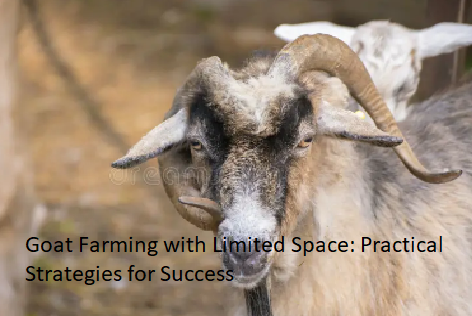
Managing goat farming with limited space requires a shift in perspective from traditional pasture-based methods to intensive management systems. You can successfully keep a small herd on less than an acre by utilizing vertical structures, rotational grazing, and supplemental feeding. The reality is that goats are browsers, not grazers, meaning they thrive on shrubs and varied forage rather than just flat grass.
You need roughly 10 to 15 square feet of indoor shelter space per goat and at least 20 to 30 square feet of outdoor exercise area per animal. While these are minimums for comfort, intensive setups can function well on a quarter-acre plot if you prioritize cleanliness and parasite management. High-density stocking requires more frequent stall cleaning and careful monitoring of individual animal health to prevent overcrowding issues.
Understanding Space Requirements for Small Herds
Many beginners assume that goats require vast rolling pastures to remain healthy and productive. In reality, goat farming with limited space is perfectly viable if you provide high-quality browse and keep the environment dry. Goats are susceptible to hoof rot and respiratory issues if kept in cramped, muddy conditions, so drainage is your top priority.
You should aim for at least 15 square feet per goat in an indoor housing area to ensure they have room to move and lie down comfortably. If you provide an outdoor run, it should be at least double that size to minimize fighting and stress. A small, well-managed shed with a solid, elevated floor prevents the accumulation of moisture.
Vertical space is often overlooked, but it is essential for goats. They are natural climbers, and providing platforms, logs, or sturdy wooden structures allows them to exercise without needing more ground footage. These structures keep them engaged and reduce the boredom that often leads to destructive chewing or escaping.
Intensive Management and Rotational Grazing
When you have limited land, you cannot rely on a single patch of grass for the entire season. You must implement a rotational grazing system where you divide your available space into smaller paddocks using temporary electric fencing. This prevents the goats from overgrazing a single area down to the dirt, which is a major cause of parasite buildup.
Rotate your goats to a fresh paddock every three to five days, depending on the vegetation growth rate. This allows the grass or browse in the previous section to recover and breaks the lifecycle of internal parasites. By the time the goats return to the first paddock, the majority of larvae will have died off naturally.
Supplementing with high-quality hay is necessary even during the growing season when land is restricted. Relying solely on a small plot will lead to nutritional deficiencies as the goats exhaust the available forage quickly. Keep a dedicated feeding station that is off the ground to minimize waste and prevent fecal contamination.
Selecting the Right Breeds for Small Plots
Not all breeds are equal when it comes to confined living. You should lean toward smaller breeds like the Nigerian Dwarf or the Pygmy goat if your primary goal is companionship or small-scale milk production. These breeds are more efficient converters of feed and require less space than larger dairy breeds like the Alpine or Saanen.
Large dairy goats require significantly more calories and space to maintain their high production levels. If you are farming for profit, you must calculate whether the yield of a large goat justifies the extra space and feed costs. Smaller breeds often prove more profitable in tight quarters because they are easier to handle and less prone to aggressive behaviors.
Always assess the temperament of the individual animals before adding them to a small herd. A dominant or aggressive goat can cause significant stress in a confined space, leading to reduced milk output or weight loss in submissive herd mates. Aim for a balanced social group that has been raised together or introduced gradually.
Essential Infrastructure and Equipment
Effective goat farming with limited space relies on high-quality infrastructure that maximizes every square inch. You need a secure, predator-proof enclosure because goats are vulnerable to local wildlife, especially in suburban or semi-rural areas. A fence height of at least 4 to 5 feet is standard, using woven wire or electric strands.
Your shelter should be three-sided at a minimum, facing away from the prevailing wind. It must be dry and draft-free, as goats handle cold well but struggle with damp, windy conditions. Use a roof design that sheds water away from the main activity areas to prevent mud buildup.
| Asset Type | Space Required (per goat) | Purpose |
|---|---|---|
| Indoor Shelter | 12–15 sq ft | Sleeping and protection |
| Outdoor Run | 25–30 sq ft | Exercise and fresh air |
| Feeding Area | 2–3 linear ft | Hay and mineral access |
| Isolation Pen | 20–40 sq ft | Quarantine or kidding |
Keep your equipment simple but functional. A hanging hay feeder, a durable water trough, and a mineral block holder are the only absolute necessities. Avoid cluttering the pen with unnecessary items that take up valuable floor space.
Managing Parasites in Confined Areas
Parasite control is the most significant challenge in small-scale goat husbandry. Because the goats return to the same ground frequently, they are constantly exposed to worm eggs shed in their manure. You must monitor their health constantly using the FAMACHA system, which involves checking the color of the inner eyelid to detect anemia.
Frequent cleaning is the only way to mitigate this risk. Remove manure from the stall daily and compost it far away from the grazing areas to ensure heat kills the parasites. Do not spread fresh manure on the pastures where your goats are actively feeding.
Keep a close relationship with a local large-animal veterinarian who understands small-scale operations. You may need to perform fecal egg counts to determine if deworming is actually necessary, rather than relying on blanket treatment. Over-reliance on chemical dewormers leads to resistant parasites, which can be devastating in a small herd.
Nutritional Needs and Supplemental Feeding
Since you cannot provide endless acres of forage, your goats’ diet must be carefully balanced. A diet consisting of high-quality grass hay, a small amount of grain (only when necessary for production), and free-choice minerals will keep them in top condition. Goats require specific minerals like copper, which is often lacking in standard feed.
Consult the eXtension Foundation for research-backed information on mineral supplementation specific to your local soil conditions. Copper deficiency can lead to poor coat quality and reproductive issues, while toxicity is also a risk if you supplement incorrectly. Always provide a loose mineral mix designed specifically for goats, not sheep or cattle.
Water intake is just as important as feed. A goat will consume several gallons of water per day, and it must be kept clean to ensure they stay hydrated. If they do not have access to fresh water, they will eat less, which directly impacts their health and growth rate.
Financial Considerations and Profitability
Turning a profit with goat farming with limited space is possible if you focus on high-value products. Milk, cheese, and soap are common avenues for small-scale farmers to recoup their costs. However, you must account for the overhead of feed, veterinary care, and infrastructure before expecting a return.
* High-quality goat milk soap production
* Fresh goat cheese (chevre) sales
* Sale of kid goats for breeding stock
* Manure sales for local organic gardens
Keep detailed records of every dollar spent on feed and medical supplies. Many small farmers find that the primary value comes from self-sufficiency rather than pure profit. If you are selling dairy products, check your local cottage food laws to ensure you are compliant with safety regulations.
Common Mistakes to Avoid
The most frequent error in small-scale operations is overstocking. It is tempting to add “just one more” goat, but this quickly leads to sanitation issues and increased stress. Stick to the carrying capacity of your land, even if it feels like you have enough room for more.
Ignoring the need for a quarantine area is another critical mistake. Always have a small, separate space to isolate new animals for at least 30 days. This prevents the introduction of contagious diseases or parasites that could wipe out your entire herd.
Failure to trim hooves regularly is a common oversight that leads to lameness. In a natural pasture, goats wear down their hooves on rocks and varied terrain. In a confined, soft-ground setting, hooves grow too long and trap bacteria, causing painful infections.
Frequently Asked Questions
What is the minimum space for one goat?
You should provide at least 15 square feet of indoor space and 30 square feet of outdoor space for a single goat, though they are herd animals and should never be kept alone.
How many goats can I keep on a quarter acre?
You can comfortably keep 3 to 5 small-breed goats on a quarter acre if you use intensive rotational grazing and provide supplemental hay.
Is it expensive to start a small goat farm?
Initial costs include fencing, shelter construction, and the purchase of the animals, which can range from $500 to $2,000 depending on the breed and existing infrastructure.
Do goats need a lot of land to produce milk?
No, goats do not need vast acreage to produce milk, but they do require high-quality forage and supplemental feed to maintain the energy levels needed for consistent production.
Can goats live in a suburban backyard?
Goats can live in a suburban backyard if zoning laws permit it, but you must prioritize odor control, noise management, and strict sanitation to keep neighbors happy.
Conclusion
Successfully managing a small herd involves balancing the natural behaviors of the animals with the physical limitations of your property. By focusing on intensive rotational grazing, proper shelter design, and vigilant health monitoring, you can create a productive environment for your animals. Goat farming with limited space is not just about fitting animals into a small area; it is about creating a structured system that mimics their natural needs while maintaining high standards of care.
Start by assessing your land’s drainage and your local zoning regulations before investing in livestock. Once your infrastructure is secure and your management plan is in place, the rewards of raising goats are significant. Reach out to local agricultural extension offices or community farming groups to learn more about the specific needs of your region.
