

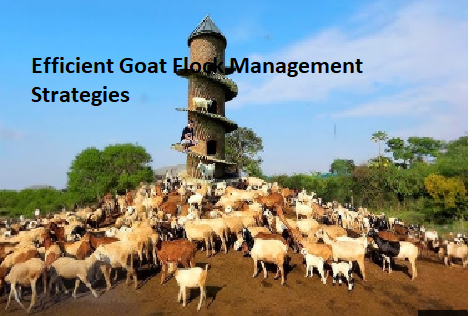
Effective goat flock management relies on balancing animal health, nutritional requirements, and pasture productivity to ensure a sustainable operation. Whether you are raising a small herd for milk or managing a larger commercial enterprise for meat production, the core principles of animal husbandry remain consistent.
By implementing structured routines and data-driven decision-making, you can minimize mortality rates and increase overall profitability. This article examines the essential components of maintaining a productive herd, from basic stocking density to advanced health monitoring techniques.
The most critical factor in successful animal husbandry is maintaining a stocking density that prevents overgrazing and parasite buildup. Experts generally recommend a stocking rate of 6 to 8 adult goats per acre depending on the quality of the forage available.
If you have 100 goats, you should ideally provide at least 12 to 15 acres of well-managed pasture to ensure they have enough biomass to graze without depleting the root systems of the plants. Overcrowding frequently leads to soil compaction and increased worm loads, which are the primary drivers of health decline in small ruminants.
Nutrition and Supplementation
Goats are browsers rather than grazers, meaning they prefer shrubs, weeds, and tree leaves over standard pasture grasses. Providing a varied diet is essential for long-term health, as their rumen requires fiber diversity to function correctly. Many producers choose to provide free-choice minerals to bridge the gap between forage quality and the animal’s physiological needs.
Baking soda is a common supplement provided in a separate feeder to help balance the pH levels in a goat’s rumen. It acts as an antacid, which is particularly useful if your animals have access to high-grain diets or lush, rapidly growing spring grass. This simple, inexpensive addition can prevent bloat and acidosis, two conditions that can prove fatal if left untreated for even a few hours.
Common Health Challenges
The number one cause of death in goats is typically parasitic infestation, specifically Haemonchus contortus, also known as the barber pole worm. These parasites consume the blood of the animal, leading to severe anemia and death if the load is not managed through rotational grazing or selective deworming. You should learn to perform a FAMACHA score check, which involves examining the color of the lower eyelid to determine the animal’s anemia status.
Goats are also highly sensitive to predators and environmental stressors, which can suppress their immune systems. Maintaining a clean, dry shelter is non-negotiable, as goats have poor tolerance for damp, muddy conditions that promote hoof rot and pneumonia. Regularly inspecting hooves and keeping them trimmed prevents lameness, which is a major contributor to lost production and reduced weight gain in commercial flocks.
Pasture and Land Utilization
Managing the land is just as important as managing the goats themselves. Rotational grazing allows you to move the herd through different paddocks, giving the vegetation time to recover and breaking the life cycle of common internal parasites. By moving the herd every 3 to 7 days, you prevent them from grazing too close to the ground, where the highest concentration of parasite larvae is typically located.
| Factor | Optimal Management Strategy |
|---|---|
| Stocking Density | 6-8 goats per acre |
| Grazing Rotation | 3-7 days per paddock |
| Water Quality | Clean, fresh, and accessible daily |
| Mineral Access | Free-choice loose mineral blocks |
Reproductive Performance
A profitable flock requires a tight breeding season to ensure that all kids are born within a manageable window. Most producers aim for a 5 to 6-week breeding period, which helps synchronize the workload during kidding season. This allows you to monitor all mothers and newborns closely during the most vulnerable time of their lives.
Record-keeping is the backbone of reproductive efficiency. You should track birth weights, weaning weights, and the mother’s ability to produce milk. Culling animals that repeatedly have difficult births or poor mothering instincts will improve the overall quality of your flock over several generations.
Infrastructure and Fencing
Goats are notoriously difficult to contain, and standard cattle fencing is rarely sufficient for their high-energy behavior. Woven wire fencing, often called “no-climb” fencing, is the gold standard for keeping goats in and predators out. A fence height of at least 48 inches is recommended to deter jumpers, while the bottom of the fence should be flush with the ground to prevent crawling.
Predator control is a significant part of the daily routine for many goat farmers. Guard animals such as Great Pyrenees dogs, donkeys, or llamas are frequently used to deter coyotes and stray dogs. These animals live with the herd, providing a layer of protection that static fencing cannot replicate in open range environments.
Financial Management
Understanding the costs associated with your operation is vital for long-term success. You must account for feed costs, veterinary supplies, fencing repairs, and labor when calculating your break-even point. Many small-scale producers find that direct-to-consumer sales of meat or dairy products provide better margins than selling through commodity auction barns.
* Feed and supplement costs
* Veterinary and medication expenses
* Fencing and infrastructure maintenance
* Marketing and distribution fees
* Transportation and processing costs
Diversification can help stabilize your income streams. Some producers combine goat meat production with land clearing services, where they are paid to graze down brush on private or municipal properties. This dual-income model turns a standard operating cost into a revenue-generating activity.
The Role of Biosecurity
Biosecurity is the practice of preventing the introduction of disease into your herd from outside sources. Whenever you purchase a new animal, you should isolate it from the rest of the flock for a minimum of 30 days. This quarantine period allows you to observe the new animal for signs of illness that might not be apparent upon initial inspection.
Always wash your hands and disinfect your boots when moving between different pens or visiting other farms. Diseases like Caseous Lymphadenitis (CL) can persist in the environment for years, making prevention far cheaper than treatment. For more detailed information on biosecurity standards, you can refer to the USDA Animal and Plant Health Inspection Service protocols for small ruminants.
Common Questions
How much land is needed for 100 goats?
You generally need between 12 and 15 acres of high-quality pasture to support 100 goats, provided you use rotational grazing. If the land is poor or lacks browse, you may need to supplement significantly with hay, which increases your overhead costs.
What smell do goats hate?
Goats are sensitive to strong, pungent odors and generally dislike the smell of certain essential oils like peppermint, eucalyptus, and lavender. Some farmers use these scents to deter goats from entering areas like vegetable gardens or flower beds.
What is the number one cause of death in goats?
Parasitic infections, particularly the barber pole worm, are the leading cause of mortality in managed goat flocks. These worms thrive in warm, humid climates and can quickly overwhelm a herd if pasture management and deworming protocols are not strictly followed.
What does baking soda do for goats?
Baking soda acts as a buffer to help regulate the pH levels in the goat’s rumen. It is especially helpful when goats are consuming high-grain rations or rich, lush pasture that might otherwise lead to bloat or digestive upset.
How often should I trim goat hooves?
Hoof trimming frequency depends on the terrain and the individual goat’s growth rate, but every 6 to 8 weeks is a standard interval. Animals kept on rocky or hard ground may require less frequent trimming than those kept on soft, wet pasture.
Successful goat flock management is an ongoing process of observation, adjustment, and learning. By focusing on the fundamentals of nutrition, parasite control, and infrastructure, you can build a resilient operation capable of weathering the challenges of livestock production. Remember that each individual animal’s performance informs the health of the entire group, so prioritize consistent record-keeping and proactive care.
Whether you are scaling up for commercial production or maintaining a smaller homestead flock, your commitment to these management practices will directly correlate with the longevity of your animals. As you continue to refine your techniques, you will find that the time invested in daily monitoring pays dividends in herd health and overall productivity.
