

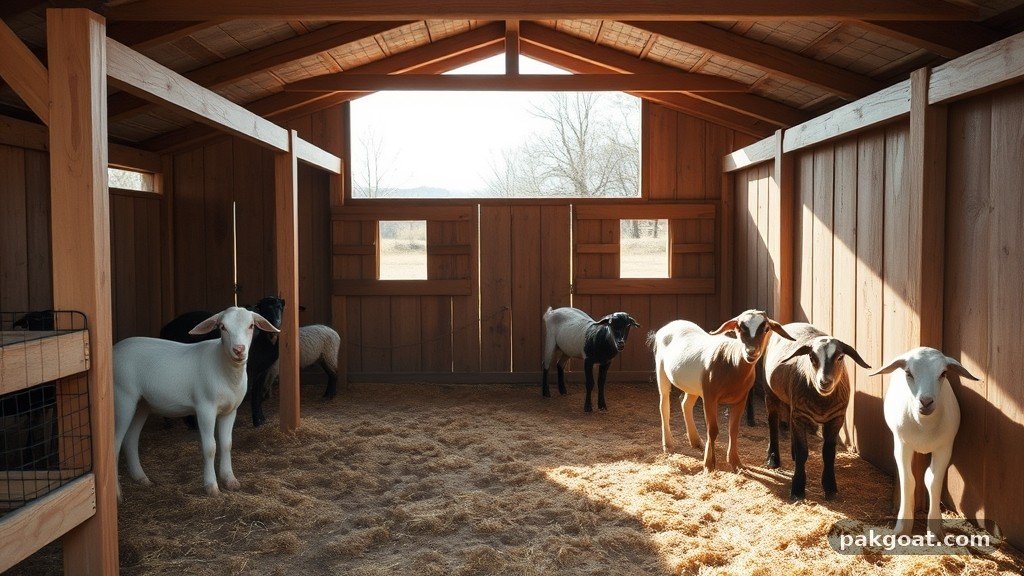
Effective goat house design small farm setup requires balancing animal comfort with ease of maintenance. A well-planned structure protects your herd from harsh weather, predators, and dampness, which are the primary causes of health issues in small ruminants.
By focusing on ventilation, dry bedding, and sturdy construction, you can significantly reduce daily labor while keeping your goats productive and healthy. This guide details the specific dimensions, material choices, and layout strategies you need to build a functional shelter that stands the test of time.
Core Requirements for Goat Shelters
Goats are notoriously sensitive to moisture and drafts. A functional goat house design small farm setup must prioritize a dry, draft-free interior above all else.
You need to provide at least 12 to 15 square feet of floor space per standard-sized dairy goat to prevent overcrowding. Overcrowded pens lead to increased parasite loads and behavioral stress, which quickly translate to lower milk production or poor weight gain.
Ventilation is the second critical pillar of your design. You want high-level air exchange to pull moisture and ammonia fumes out of the structure without creating a direct wind chill on the animals.
Aim for open eaves or adjustable vents located above the height of the goats’ heads. If you can smell ammonia when you walk into the house, your ventilation system is failing and needs immediate adjustment.
Flooring choices significantly impact your daily workload and animal health. Concrete is easiest to sanitize but can be cold and hard on joints, requiring significant bedding to stay warm.
Packed earth or gravel works well if you have excellent drainage underneath, though these floors can be harder to deep-clean. Many owners prefer using a “deep litter” method, which requires a durable, moisture-resistant base to prevent the floor from turning into a muddy mess.
Structural Orientation and Siting
The physical placement of your goat house determines how much natural light and protection it receives throughout the year. In the Northern Hemisphere, orient your structure so the open side or primary entrance faces south or southeast. This positioning captures maximum winter sunlight while shielding the interior from the prevailing cold winds that typically come from the north and west.
Elevation matters just as much as orientation. Never build your structure in a low-lying area or a depression where water pools during heavy rain.
If your property is flat, consider building up the site with a layer of crushed rock or installing a perimeter drainage tile system to divert runoff. A simple rule is to ensure the floor of the goat house sits at least 4 to 6 inches above the surrounding ground level.
Think about your access routes during the winter months. You will be hauling water, hay, and bedding to this building daily, often in poor weather.
Placing the building near a cleared path or an existing driveway saves hours of physical labor over the course of a season. If you are interested in the specific building codes for agricultural structures, you can check the USDA Natural Resources Conservation Service guidelines for livestock housing standards.
Material Selection for Durability
Goats are famous for their curiosity and their tendency to chew or rub against everything. Your construction materials must be able to withstand the physical abuse that a herd will naturally inflict on the walls and gates. Use pressure-treated lumber for any posts that touch the ground, but keep treated wood away from areas where goats might chew extensively.
Corrugated metal roofing is the industry standard for small farms because it is waterproof, durable, and relatively easy to install. Avoid asphalt shingles if you have goats that like to climb, as they will quickly shred the surface with their hooves.
For walls, exterior-grade plywood or rough-cut hemlock boards provide a solid, wind-resistant barrier. Ensure all fasteners are galvanized or stainless steel to prevent rapid corrosion from the high-ammonia environment inside the house.
Comparison of Common Building Materials
| Material | Durability | Cost | Best Use Case |
|---|---|---|---|
| Corrugated Metal | High | Moderate | Roofing/Siding |
| Pressure-Treated Pine | High | Moderate | Structural Posts |
| Exterior Plywood | Moderate | Low | Interior Dividers |
| Concrete | Very High | High | Foundation/Floor |
Interior Layout and Partitioning
A flexible interior is the hallmark of a professional goat house design small farm setup. You should partition the space to accommodate different needs, such as kidding pens, buck housing, and general herd space. Use modular gates that can be swung open or removed entirely to turn multiple small pens into one large area for summer ventilation.
Include a dedicated area for hay storage within or immediately adjacent to the shelter. Storing hay inside keeps it dry and accessible, though you must ensure it remains completely isolated from the goats.
A simple partition wall or a raised platform prevents the herd from trampling your feed supply. If you leave hay accessible, they will inevitably soil it, leading to significant waste and potential health risks from moldy feed.
Kidding pens require specific attention to detail. These areas should be quiet, draft-free, and easily observable from the main aisle.
A standard size for a kidding pen is 4 by 4 feet or 5 by 5 feet for larger breeds. Make sure these pens have solid walls at least 3 feet high to prevent other goats from harassing the new mother and her kids.
Managing Bedding and Waste
The deep-litter method is often the most efficient way to manage waste in a small-scale operation. You start with a base layer of absorbent material and add fresh bedding as it becomes soiled. This process creates a composting effect on the floor, which generates a small amount of heat that helps keep the goats warm during the coldest months.
Common bedding materials include straw, wood shavings, or chopped corn stalks. Straw is highly absorbent and excellent for insulation, but it can be more expensive depending on your local supplier.
Wood shavings are easier to handle and provide a cleaner aesthetic, though they do not compost as quickly as straw. Regardless of your choice, ensure the material is free of mold and dust to protect the goats’ respiratory health.
- Straw: Best for warmth and comfort, but requires frequent monitoring for mold.
- Wood shavings: Clean and easy to source, but can be dusty if not kiln-dried.
- Pine needles: Excellent if you have them on your property, as they are naturally acidic and discourage some pests.
- Hemp bedding: Highly absorbent and sustainable, though often carries a higher price point.
- Sawdust: Very cheap, but can be too fine and cause respiratory irritation in confined spaces.
Safety and Predator Control
Goat house design small farm setup must account for local predators, which vary significantly by region. If coyotes, stray dogs, or mountain lions are present, your structure must be a fortress at night.
Use heavy-duty latching mechanisms that cannot be manipulated by clever hooves or pawing. A simple hook-and-eye latch is insufficient; always opt for a spring-loaded or locking carabiner system.
Windows and vents should be covered with heavy-gauge hardware cloth rather than standard chicken wire. Chicken wire is intended to keep chickens in, not to keep predators out; most predators can rip through it in seconds. Ensure the hardware cloth is securely stapled to the frame with reinforced washers or wooden battens to prevent it from being pulled off.
Consider the perimeter of your structure as part of the house design. A clear zone of 3 to 5 feet around the exterior of the house, kept free of brush and tall weeds, prevents predators from sneaking right up to the walls. If you live in an area with high predator pressure, installing solar-powered motion-activated lights can serve as a simple, effective deterrent.
Lighting and Electrical Considerations
While goats do not require complex lighting, having a dedicated electrical circuit is invaluable for modern farm management. You will need at least one GFI-protected outlet for a heated water bucket during the winter. Keeping water from freezing is a massive time-saver and ensures your animals stay hydrated even when temperatures drop well below freezing.
If you choose to install lighting, use moisture-proof, enclosed fixtures that prevent dust buildup on the bulbs. LED lights are ideal because they produce very little heat and are highly energy-efficient. A single well-placed light allows you to perform health checks or assist with late-night kidding without having to fumble with flashlights or extension cords.
Always run electrical lines through protective conduit if they are exposed within the goat house. Goats are notorious for chewing on anything they can reach, and exposed wiring is a major fire hazard. Keep all switches and junction boxes mounted high on the wall, well out of reach of the tallest goat in your herd.
Maintenance and Long-Term Planning
A successful goat house design small farm setup is not a “build it and forget it” project. Perform a thorough structural inspection at least twice a year, ideally in the spring and autumn. Check for roof leaks, loose siding, and any hardware that may have rusted or come loose during the previous season.
Manage your manure pile by composting it properly before applying it to your pastures. Raw manure can harbor parasites that will reinfect your herd if it is spread back onto grazing areas.
A properly managed compost pile reaches high enough temperatures to kill most internal parasite eggs and larvae. Keep your compost area at least 50 to 100 feet away from your primary water sources to prevent nutrient runoff.
Plan for growth from the very beginning. Even if you start with only two or three goats, design your layout so you can easily add an extra pen or expand the roofline later.
Many small farmers underestimate how quickly their herd size might grow once they get comfortable with the management side of the operation. Building a modular, expandable structure saves you from having to tear down and rebuild when you decide to increase your stocking density.
Building a proper shelter is an investment in the longevity of your herd. By following these principles of goat house design small farm setup, you create a space that minimizes stress and maximizes health. Remember that the best design is one that makes your daily chores easier while providing a safe, dry environment for your animals.
Whether you are building from scratch or retrofitting an existing shed, prioritize ventilation, predator-proofing, and ease of cleaning to ensure your small farm thrives. Start with a solid plan, choose durable materials, and keep your maintenance routine consistent for the best results.
