

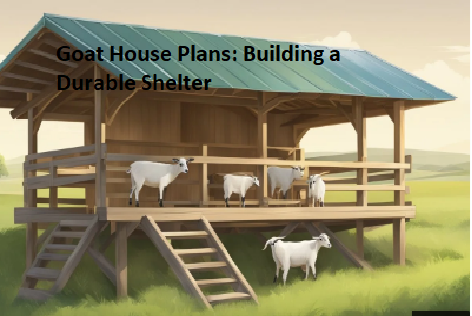
Developing effective goat house plans requires a clear understanding of your herd’s specific needs, the local climate, and your available budget. Goats are notoriously sensitive to moisture and drafts, making a well-designed, dry shelter the most critical asset you can provide for their long-term health. Whether you are repurposing existing structures or starting from the ground up, the right design balances ventilation, space, and protection from predators.
By focusing on foundational principles like proper drainage and airflow, you ensure your animals remain productive and comfortable year-round. This overview provides the technical details and practical considerations necessary to execute a successful build while avoiding common structural pitfalls.
When considering the cost to build a shelter, most owners find that simple goat house plans for a small herd of three to five animals typically range from $300 to $800 in materials. If you utilize reclaimed lumber, pallets, or repurposed metal roofing, this figure can drop significantly, sometimes under $150. Professional-grade structures with insulated walls and specialized flooring often exceed $1,500 when factoring in high-quality hardware and labor.
The primary cost drivers are lumber prices, the type of roofing material selected, and the square footage required to prevent overcrowding. It is best to prioritize a solid foundation and a leak-proof roof over expensive aesthetic features, as these elements directly impact the longevity of your investment.
Core Requirements for Goat Shelters
Goats require a minimum of 10 to 15 square feet of interior space per adult animal to prevent aggressive behavior and ensure proper air circulation. Overcrowded conditions lead to a buildup of ammonia from urine, which rapidly causes respiratory infections.
Your design should provide enough room for every goat to lie down simultaneously without being forced into corners or tight spaces. If you live in a region with heavy winter snow, you must increase this space slightly to account for days when the herd remains indoors.
Ventilation is perhaps the most overlooked aspect of basic construction. You need to position vents or windows high on the walls, above the level of the goats, to allow moisture and warm air to escape without creating a direct draft on the animals.
A drafty house is significantly more dangerous to a goat than a cold one, as a draft strips away their natural body heat. Always ensure the prevailing winds do not blow directly through the main entry point during the coldest months of the year.
Selecting the Right Materials
The materials you choose define the lifespan of your structure. Pressure-treated lumber is the gold standard for base plates and any wood that touches the ground, as it resists rot and insect damage.
For siding, exterior-grade plywood or cedar boards offer excellent durability, though they require periodic staining or sealing to prevent warping. Avoid using thin, cheap particle board, as it will disintegrate quickly when exposed to the high humidity levels goats generate.
Roofing is another critical area where quality pays off. Corrugated metal is often preferred because it is relatively easy to install, sheds snow effectively, and lasts for decades.
Asphalt shingles are a viable alternative, but they are more susceptible to damage from goats attempting to climb on the roof. Ensure your roof has a pitch of at least 3/12 to facilitate water runoff and prevent pooling that leads to leaks.
Foundation and Flooring Strategies
A dirt floor is common in many setups, but it requires careful management to prevent mud and parasites. If you choose a dirt floor, you must build the shelter on a slight incline or install a perimeter drain to ensure water flows away from the structure.
A raised wooden floor with wire mesh underneath is an option, but it can be hard on hooves and difficult to clean. Many owners find that a deep-litter method on a packed dirt or gravel base provides the best balance of insulation and ease of maintenance.
To implement the deep-litter method, start with a base of coarse gravel topped with a thick layer of wood shavings or straw. As the goats defecate, you add fresh bedding on top of the old, which creates a composting process that generates a small amount of heat.
You must clean this out completely at least twice a year to prevent the buildup of pathogens. This method is highly effective for keeping the floor dry and comfortable during freezing temperatures.
Protecting Against Predators
Predator control must be integrated into your initial design rather than treated as an afterthought. If you have coyotes, stray dogs, or bobcats in your area, your door mechanism must be secure enough to withstand significant physical force.
A simple latch is rarely enough; use a heavy-duty carabiner or a spring-loaded lock that requires a two-step motion to open. Goats are naturally curious and often learn how to manipulate simple slide bolts, so ensure your locking system is out of their reach.
Fencing integration is equally important to the security of the house. The fence should meet the corners of the house flush, leaving no gaps where a predator could squeeze through or a kid could get stuck.
You might consider an apron of heavy-gauge wire buried 6 to 12 inches deep around the perimeter to prevent digging animals from tunneling under the walls. These measures are essential for the safety of your herd, especially at night when they are most vulnerable.
Climate-Specific Adjustments
Your location significantly dictates the features needed for your shelter. In hot, humid climates, you need a “run-in” style shed with at least two open sides or large, screened-in windows to encourage maximum airflow.
You might even consider a roof with a significant overhang to provide extra shade during the hottest parts of the day. Keeping the interior cool is vital to preventing heat stress, which can lead to reduced milk production and overall lethargy.
In cold, northern climates, the focus shifts to retaining heat and blocking wind. You should orient the door away from the prevailing winter wind and consider adding heavy rubber flaps to the entrance to keep the cold out while allowing the goats to come and go.
While you rarely need supplemental heat, insulating the roof can prevent condensation from dripping onto the animals. Consult resources like the University of Arkansas Cooperative Extension Service for specific regional advice on livestock housing standards.
Comparing Common Shelter Designs
The following table compares three common styles of housing based on ease of construction and suitability for different herd sizes.
| Style | Best For | Complexity | Primary Benefit |
|---|---|---|---|
| Run-in Shed | Small/Medium Herds | Low | Excellent ventilation |
| Modified Garden Shed | Very Small Herds | Medium | Aesthetic/Secure |
| Pole Barn | Large Herds | High | Long-term durability |
Each of these designs serves a distinct purpose depending on your land and the number of animals you manage. A run-in shed is often the most cost-effective solution for a starter farm, while a pole barn is a significant capital investment that supports growth. Consider your long-term goals before committing to a specific footprint or design.
Common Construction Mistakes
One of the most frequent errors is failing to account for the height of the goats when they stand on their hind legs. If you hang hay feeders or water buckets too low, they will be contaminated or ripped off the wall.
Always mount internal fixtures at a height that is accessible to the goats but high enough to keep them from rubbing against them. Furthermore, avoid using materials that are toxic if chewed, such as lead-based paints or pressure-treated wood that contains high levels of arsenic.
Another mistake is building on low-lying ground that collects water during the spring thaw. Even a perfectly constructed house will become a death trap if it sits in a pool of mud.
You should always survey your property after a heavy rain to identify the high, dry spots before breaking ground. If you have no dry ground, you must invest in a raised foundation made of heavy timbers or concrete blocks to keep the floor above the water line.
Essential Features Checklist
When finalizing your plans, ensure you have included these non-negotiable elements for a functional and safe environment.
- Proper Ventilation: High-level vents that avoid direct drafts on the sleeping area.
- Secure Latches: Predatory-proof locks that are inaccessible to clever goats.
- Durable Flooring: A base that promotes drainage and allows for easy cleaning.
- Overhang: A roof extension to keep the doorway dry during rainstorms.
- Accessibility: Large enough doors for wheelbarrows to enter for cleaning.
- Lighting: Safe, enclosed light fixtures if you need to perform nighttime checks.
These features simplify your daily chores and improve the overall quality of life for your livestock. Taking the time to integrate them early in the planning phase saves you from difficult renovations later.
Frequently Asked Questions
What is the best material for goat bedding?
Straw is the most common choice, but wood shavings are often superior for moisture absorption. Some owners mix the two to get the best of both worlds: the insulating properties of straw and the absorbent nature of shavings. Avoid sawdust, as it can cause respiratory issues if it is too fine or dusty.
Do goats need a heated shelter in winter?
Generally, healthy adult goats do not need supplemental heat if they have a dry, draft-free shelter and plenty of dry bedding. They produce a significant amount of body heat, which is usually sufficient to keep the interior comfortable. If you have young kids or sick animals, you may need a separate, climate-controlled infirmary area.
How often should I clean the goat house?
If you use the deep-litter method, you should add fresh bedding weekly and perform a full clean-out twice per year. If you keep the floor bare or use a thin layer of bedding that you clean daily, you will need to scoop manure and wet spots every morning. Consistent cleaning is the best way to prevent parasite outbreaks and maintain hoof health.
Can I convert an existing shed into a goat house?
Yes, converting an existing shed is often the most efficient way to get started. You must ensure the structure is sturdy enough to withstand the goats’ habit of jumping on things and chewing on wood. Remove any toxic materials, improve the ventilation, and ensure the floor is properly protected from moisture before moving the animals in.
What is the main reason goat houses fail?
The vast majority of failures are due to moisture management issues. Whether it is a leaking roof, poor drainage under the floor, or a lack of ventilation, moisture leads to rot, mold, and respiratory illness. If you keep the environment dry, your shelter will likely last for many years with minimal maintenance.
Building the right structure for your herd is a rewarding process that provides peace of mind for you and safety for your animals. By adhering to the principles of dry, well-ventilated housing and incorporating secure predator defenses, you create an environment where your goats can thrive. Remember that effective goat house plans are those that prioritize the biological needs of the animal over human convenience.
As you begin your project, focus on the foundation and the roof first, as these are the components that protect your investment from the elements. With a solid plan in place, you are well-positioned to maintain a healthy and productive herd for years to come.
