

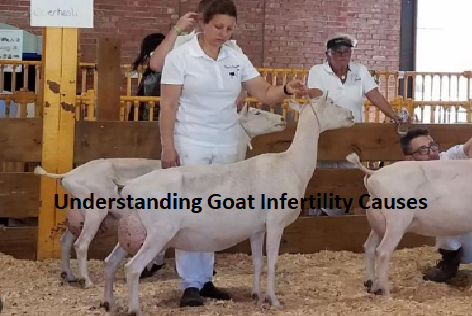
Investigating the various goat infertility causes is essential for any producer looking to maintain a productive and sustainable herd. When breeding cycles fail or conception rates drop, identifying the underlying biological or environmental barrier is the first step toward recovery.
This article examines the physiological, nutritional, and infectious factors that impact reproductive success in caprine populations. By understanding these specific challenges, owners can implement targeted management strategies to improve overall herd health and output.
Nutritional Deficiencies and Reproductive Failure
Nutrition is perhaps the most significant factor influencing whether a doe will conceive and carry a pregnancy to term. Goats require a precise balance of energy, protein, and trace minerals to maintain the endocrine function necessary for ovulation. When these requirements are not met, the animal’s body prioritizes survival over reproduction, effectively shutting down the reproductive cycle.
Energy deficiency is a common trigger for reproductive stagnation, particularly during the transition from the dry season to the breeding season. If a doe is in a negative energy balance—meaning she is burning more calories than she consumes—her body will suppress the release of luteinizing hormone. This hormonal suppression prevents the maturation of follicles, leading to silent heats or complete anestrus.
Mineral imbalances, specifically involving copper, selenium, and phosphorus, play a critical role in cellular health. Selenium deficiency is well-documented as a primary driver of embryonic death and poor conception rates in goats grazing in selenium-poor soils. Producers often find that supplementing with mineral-fortified salt blocks provides the necessary micronutrients to stabilize reproductive performance.
Impact of Infectious Diseases
Infectious agents are devastating to herd fertility because they often circulate silently until a major breeding failure occurs. Brucellosis and Leptospirosis are two primary bacterial culprits that specifically target the reproductive tract. These pathogens can cause early embryonic death, abortion, and permanent scarring of the uterus, rendering a doe infertile.
Viral infections also present significant hurdles for consistent breeding. Caprine Arthritis Encephalitis (CAE) is frequently cited as a chronic condition that weakens the overall immune system of the goat. While it does not always cause direct infertility, the systemic stress caused by the virus can lead to poor body condition and irregular estrus cycles.
Biosecurity is the only effective defense against these biological threats. Introducing new stock without a strict quarantine period is the most common way these pathogens enter a healthy herd. Regular blood testing and vaccination schedules serve as the frontline defense against the most common infectious goat infertility causes.
Environmental Stress and Heat
Goats are highly sensitive to their ambient environment, particularly regarding thermal regulation. High temperatures can have a direct, negative impact on sperm quality in bucks and oocyte viability in does. During periods of extreme heat, the blood flow to the reproductive organs is reduced as the body prioritizes cooling the vital organs.
Heat stress often leads to “summer infertility” in regions with high humidity and soaring temperatures. Bucks, in particular, may suffer from reduced sperm motility and increased abnormal sperm counts when subjected to temperatures above 30 degrees Celsius for extended periods. This physiological reaction can last for several weeks, even after the ambient temperature has dropped.
Providing adequate shade and ventilation is not just a comfort measure; it is a reproductive necessity. Producers operating in hot climates often schedule breeding seasons for the cooler months to avoid these thermal complications. Monitoring the local weather patterns and adjusting the breeding timeline can significantly mitigate these environmental risks.
Age and Genetic Predisposition
Reproductive longevity in goats is not infinite, and age-related decline is an inevitable reality for aging herds. As a doe ages, the number of viable oocytes in her ovaries decreases, and the quality of those eggs often declines. This leads to lower conception rates and a higher incidence of twinning issues or late-term pregnancy losses.
Genetic factors also dictate the ceiling of a goat’s reproductive potential. Some lines of dairy goats have been bred so heavily for milk production that their reproductive vigor has diminished as a trade-off. This is often described as a genetic bottleneck where the metabolic demand of high milk yield leaves insufficient resources for a high-functioning reproductive system.
Culling policies should be based on data rather than sentiment. If a doe fails to conceive for two consecutive breeding seasons despite good health and nutrition, she is likely a carrier of a reproductive flaw. Keeping such animals in the herd only serves to perpetuate these undesirable traits into the next generation.
Anatomical and Structural Barriers
Physical abnormalities within the reproductive tract can prevent conception even when the animal is otherwise healthy. Persistent hymens, uterine adhesions, and blocked oviducts are mechanical obstacles that sperm cannot overcome. These issues are sometimes congenital, meaning the animal was born with the defect, or they may be the result of a previous difficult birth.
Intersexuality is a unique, though not uncommon, issue in certain breeds like the Alpine or Saanen. Specifically, the polled gene—which results in hornless goats—is genetically linked to a form of pseudo-hermaphroditism. These animals may look like females externally but possess non-functional reproductive tracts internally, making them completely infertile.
Veterinary examinations, including ultrasound imaging, are the most reliable methods for diagnosing these structural problems. If a doe shows signs of heat but never conceives after multiple attempts with a proven buck, an internal physical exam is warranted. Identifying these mechanical issues early prevents the wasted time and money associated with repeated breeding attempts.
Data Comparison of Infertility Factors
Understanding the prevalence of different infertility issues allows producers to prioritize their management efforts. The following table illustrates how various factors contribute to reproductive failure across a hypothetical herd of 100 goats.
| Cause Category | Estimated Impact on Herd | Primary Symptom |
|---|---|---|
| Nutritional Deficiency | 35% | Delayed puberty/anestrus |
| Infectious Disease | 25% | Abortion/embryonic death |
| Environmental Stress | 20% | Seasonal infertility |
| Anatomical/Genetic | 15% | Failure to conceive |
| Miscellaneous/Unknown | 5% | Sporadic issues |
Management Practices to Boost Fertility
Improving herd fertility is a proactive process that starts long before the buck is introduced to the does. One of the most effective strategies is “flushing,” which involves increasing the nutritional plane of the does two to three weeks before breeding. This surge in energy signals the body that resources are abundant, which often leads to a higher rate of ovulation and multiple births.
Maintaining a rigorous health calendar is also vital. The following list highlights essential management steps to ensure your goats remain in peak reproductive condition:
- Perform routine fecal egg counts to manage internal parasites that steal energy.
- Ensure all breeding animals have a Body Condition Score (BCS) between 2.5 and 3.5.
- Vaccinate against common reproductive pathogens like Chlamydia and Campylobacter.
- Keep detailed records of every heat cycle and breeding date for every doe.
- Rotate bucks to prevent inbreeding, which can cause recessive infertility traits to emerge.
Frequently Asked Questions
How do I know if my goat is infertile?
A goat is typically suspected of being infertile if she fails to conceive after three consecutive cycles with a fertile, proven buck. You should first rule out poor nutrition and parasite loads before assuming permanent infertility.
What is the most common cause of infertility in young goats?
In young does, the most common issue is nutritional deficiency or delayed sexual maturity. If they have not reached a sufficient body weight—usually 60-70% of their adult weight—they may not cycle regularly.
Can a buck be the reason for infertility?
Absolutely; studies show that up to 20% of herd reproductive failures are due to the buck. A buck may have low sperm motility, physical injuries, or may simply be too young or too old for the number of does he is servicing.
How soon can a goat be re-bred after a miscarriage?
If the miscarriage was due to a non-infectious cause, it is often recommended to wait at least one or two full estrus cycles. This allows the uterus to heal and the doe to regain the body condition lost during the pregnancy.
Does parasite load affect fertility?
Yes, high parasite loads cause anemia and protein loss, both of which are detrimental to the reproductive cycle. A goat struggling with a heavy worm burden will rarely prioritize reproduction over basic survival.
Summary of Reproductive Success
Addressing goat infertility causes requires a holistic approach that balances nutrition, biosecurity, and careful observation. By monitoring body condition scores and maintaining strict health protocols, you can significantly reduce the incidence of reproductive failure in your herd. While environmental and genetic factors present inherent challenges, consistent management provides a reliable buffer against these risks.
Producers who prioritize data and health tracking will find that fertility issues become the exception rather than the rule. Taking the time to investigate and resolve these underlying causes will pay off in the form of a more productive and profitable operation for years to come.
