

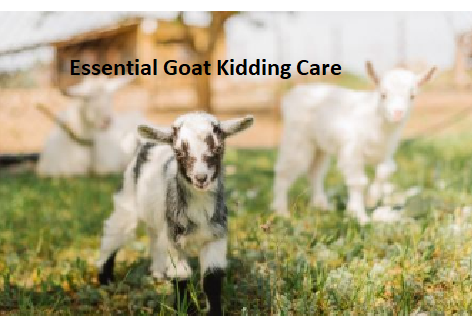
Effective goat kidding care ensures that your doe remains healthy while giving your kids the best possible start in life. Managing the birthing process requires preparation, observation, and the ability to intervene when nature encounters a hurdle.
By understanding the physiological stages of labor and knowing which supplies to keep on hand, you can transform a stressful event into a successful management routine. This guide provides the technical knowledge needed to support your herd through the kidding season with confidence and precision.
The most critical aspect of goat kidding care is the timing of intervention, as most births proceed without human assistance. If a doe has been in active labor for more than 45 to 60 minutes without visible progress, it is time to investigate.
You should watch for the appearance of the “water bag,” followed by the presentation of the hooves and the nose. If you see the feet but no head, or if the doe is straining intensely for an hour with no delivery, you must perform a sterile internal exam or contact a veterinarian immediately.
Preparing Your Birthing Environment
Preparation starts long before the actual delivery date, typically calculated at 150 days from the date of breeding. You must ensure the kidding pen is clean, dry, and free from drafts to prevent hypothermia in newborns. A well-prepared stall features deep, fresh straw bedding that is replaced immediately after the birth to remove amniotic fluids and prevent bacterial growth.
Stocking a dedicated medical kit is a non-negotiable part of goat kidding care for any serious breeder. You should have iodine for dipping umbilical cords, a clean lubricant for internal examinations, and sterile gloves.
Keep a supply of towels, a bulb syringe to clear airways, and a bottle of oral electrolytes on standby. Having these items within reach prevents you from leaving the doe during a critical moment.
Recognizing the Stages of Labor
Understanding the three distinct stages of labor helps you distinguish between normal progression and an emergency. Stage one involves the doe becoming restless, pawing the ground, and isolating herself from the rest of the herd. You may notice her tail twitching frequently and her udder appearing tight or “shiny” due to the stretching of the skin.
Stage two is characterized by active, forceful straining as the fetus moves through the birth canal. This is the period when the water bag ruptures and the kid begins to emerge.
In a standard presentation, the two front legs appear first, with the head resting between them. If you observe any other presentation, such as a tail-first delivery or a single leg back, you need to intervene or call for professional help.
Stage three involves the passing of the placenta, which typically occurs within two to four hours after the birth. It is vital to observe that the entire afterbirth is expelled to prevent uterine infections, also known as metritis. Never pull on the placenta forcefully, as this can cause internal tearing or retained fragments that lead to severe health complications for the doe.
Immediate Post-Birth Procedures
Once the kid is born, your primary goal is to ensure it is breathing and warm. Use a bulb syringe to clear any mucus from the nose and mouth if the kid is struggling to gasp for air. Rub the kid vigorously with a clean towel to stimulate circulation and dry the coat, which helps regulate body temperature in colder climates.
Dipping the umbilical cord in 7% iodine solution is a standard practice to prevent joint ill and other systemic infections. This serves as a barrier against bacteria that can easily enter the bloodstream through the navel. Ensure the solution covers the entire length of the cord up to the abdomen.
Nutritional Support for the Doe
The physical toll of giving birth leaves the doe depleted of energy and essential minerals. Offering warm water with a splash of molasses provides an immediate energy boost and encourages hydration. You should also ensure she has access to high-quality alfalfa hay, which is rich in calcium and protein to support milk production.
Monitoring the doe’s appetite in the first 24 hours is a key indicator of her overall recovery. A sudden drop in feed intake or a lethargic demeanor can be a sign of pregnancy toxemia or milk fever. Providing a balanced mineral supplement can help prevent these metabolic imbalances.
Common Complications and Risk Factors
Even with the best planning, complications can arise that require an immediate response. Dystocia, or difficult birth, is the most common issue, often caused by the fetus being too large or positioned incorrectly. You can find detailed veterinary guidance on managing these issues at the Merck Veterinary Manual.
| Condition | Common Symptom | Immediate Action |
|---|---|---|
| Dystocia | Straining > 60 mins | Examine for malpresentation |
| Retained Placenta | Afterbirth not passed in 6 hrs | Monitor for fever/consult vet |
| Milk Fever | Weakness/staggering | Administer calcium supplement |
| Hypothermia | Shivering/cold mouth | Warm kid/provide energy |
Ensuring Colostrum Intake
Colostrum is the “liquid gold” that provides passive immunity to the kids during their first few weeks of life. Kids must ingest this nutrient-dense milk within the first few hours of birth to ensure their digestive tracts can absorb the antibodies. If a kid is too weak to nurse, you must milk the doe and provide the colostrum via a bottle or a feeding tube.
Failure to receive adequate colostrum leaves the kid vulnerable to common farm pathogens like E. coli or Salmonella. You should monitor the kids closely to confirm they are nursing frequently. If the doe rejects her kids or lacks sufficient milk, you must be prepared to switch to a high-quality goat milk replacer.
Monitoring Development Milestones
Tracking the growth and behavior of your kids provides insight into the success of your kidding care protocols. Healthy kids should be standing and attempting to nurse within 30 to 60 minutes after birth. They should appear alert, vocal, and responsive to the presence of the mother.
* First 2 hours: Successful nursing and colostrum intake.
* First 12 hours: Passage of meconium, the first dark stool.
* First 24 hours: Steady weight gain and normal temperature (101.5°F–103.5°F).
* First week: Active play and consistent weight gain.
FAQ: Common Kidding Questions
How do I know if the doe is finished kidding?
A doe is typically finished when the placenta has been passed and she begins to focus entirely on cleaning and nursing her kids. If she continues to strain intensely for an extended period after the last kid is born, she may have another kid inside or be experiencing uterine discomfort.
What should I do if the doe rejects her kid?
Rejection can happen, especially with first-time mothers or those carrying triplets. You can try to “graft” the kid by rubbing the doe’s own birth fluids on the kid, but if that fails, you must commit to bottle-feeding. Keep the rejected kid warm and ensure it receives enough colostrum from the mother by milking her manually.
How cold is too cold for a newborn goat?
Kids are born with very little body fat and are highly susceptible to hypothermia if temperatures drop below 40°F. If the weather is freezing, use heat lamps with extreme caution, ensuring they are securely fastened and out of reach of the goats to prevent fire hazards.
What is the most common cause of death in newborns?
The most common causes are hypothermia and failure to ingest sufficient colostrum. By focusing on keeping the environment dry and ensuring the kids get their first meal quickly, you eliminate the majority of these preventable risks.
How long should I keep the doe and kids in the kidding pen?
It is best to keep the family unit in a private, quiet pen for at least 48 hours. This allows the mother to bond with the kids without interference from other herd members and gives you time to monitor for any health issues before moving them to a larger group area.
Conclusion
Successful goat kidding care is a combination of preparation, observation, and timely action. By maintaining a clean environment, stocking essential supplies, and understanding the physical signs of labor, you ensure the health of both the doe and her offspring. Remember that while most births are natural, your presence serves as a vital safety net when complications occur.
Establishing a routine for colostrum intake and monitoring early development milestones will pay dividends in the long-term health of your herd. If you remain observant and patient during the kidding season, you will find that the process becomes a rewarding and manageable part of your farm operations. Feel free to reach out to a local veterinarian to discuss specific vaccination protocols for your area to further protect your growing herd.
