

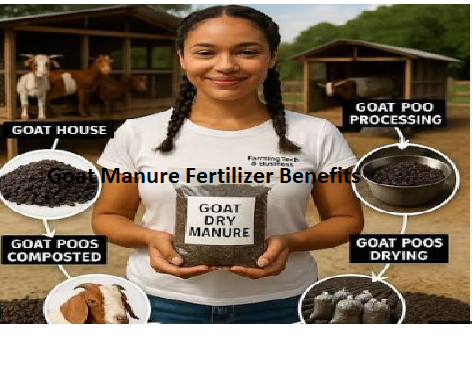
Understanding the specific goat manure fertilizer benefits can transform how you manage your garden soil and overall crop yields. Unlike many other animal wastes, this material is highly prized for its small, pelletized form, which makes it significantly easier to handle and apply than the heavy, wet manure produced by cattle or horses.
Gardeners often seek out these droppings because they are relatively low in odor and possess a high concentration of essential plant nutrients. By integrating this organic matter, you improve soil structure, water retention, and microbial activity, creating a thriving environment for both vegetable patches and flower beds.
The primary advantage of using this fertilizer is its relatively balanced nutrient profile, which typically averages an NPK ratio of roughly 1-1-1 or slightly higher depending on the goat’s diet. Because of this balanced composition, it is less likely to “burn” sensitive plants compared to the highly concentrated nitrogen found in poultry manure.
You will find that it provides a slow-release source of nutrients, meaning your plants receive a steady supply of fuel over the course of the growing season. Furthermore, the physical structure of the pellets helps break up heavy clay soils, allowing roots to penetrate more deeply and access vital moisture.
Nutrient Profile and Chemical Composition
Goat manure is classified as a “cold” manure, meaning it is less likely to damage plant roots than “hot” manures like chicken or pig waste. A typical analysis shows it contains approximately 1.5% nitrogen, 0.5% phosphorus, and 1.5% potassium.
These numbers are averages, but they provide a solid foundation for understanding why it serves as an excellent general-purpose soil amendment. Because goats have highly efficient digestive systems, they break down plant matter thoroughly, resulting in manure that is nutrient-dense but structurally stable.
The presence of micronutrients is another significant factor that differentiates this product from synthetic fertilizers. You are not just adding nitrogen, phosphorus, and potassium; you are also introducing trace elements like calcium, magnesium, and sulfur.
These secondary nutrients are essential for enzymatic processes within the plant, leading to better fruit development and stronger stems. When you apply this organic material, you are supporting the entire ecosystem of the soil rather than just pushing quick, forced growth.
Why Pelletized Manure is Easier to Handle
One of the most practical goat manure fertilizer benefits is the physical form of the waste. Goats produce small, dry, firm pellets that are far easier to distribute than the messy, liquid-heavy manure of other livestock.
You can spread these pellets by hand or with a basic garden spreader, ensuring an even application across your garden beds. This convenience reduces the physical labor required for soil preparation, making it a favorite for home gardeners and small-scale farmers alike.
Because the pellets are relatively dry, they have less water weight per volume compared to cow or horse manure. This means you are transporting more actual organic matter per wheelbarrow load, which is a major efficiency boost.
You do not need specialized equipment to manage the waste, and it does not clump or stick to tools. Many gardeners find that they can incorporate it into their soil with a simple rake or hoe, saving time and energy during the busy planting season.
Soil Structure and Water Retention
Beyond the raw nutrient content, the organic matter in goat waste acts as a soil conditioner. When you till these pellets into the ground, they slowly decompose, adding humus to the soil profile.
This process increases the soil’s ability to hold onto water, which is critical during hot, dry summer months. You will notice that plants grown in soil amended with organic matter show better resistance to wilting, as the moisture is held in the root zone for longer periods.
Improved soil structure also means better aeration. By creating small pockets within the soil, the decomposing pellets allow oxygen to reach the roots, which is necessary for healthy respiration.
This creates a porous environment that prevents the soil from becoming compacted or waterlogged. When your soil is loose and friable, it encourages stronger root systems that can better support the plant’s weight and nutrient uptake.
Comparing Manure Types for Garden Use
Choosing the right animal waste for your garden depends on your specific goals and the types of plants you are growing. While all manures provide organic matter, their chemical strengths and physical handling requirements vary significantly. The table below outlines how goat manure compares to other common types regarding nutrient intensity and handling difficulty.
| Manure Type | Nutrient Intensity | Handling Difficulty | Best Use |
|---|---|---|---|
| Goat | Moderate/Balanced | Low (Dry Pellets) | General Garden/Vegetables |
| Chicken | Very High | Moderate (Dusty/Hot) | Heavy Feeders (Corn/Cabbage) |
| Cow | Low/Moderate | High (Heavy/Wet) | Compost Base |
| Horse | Moderate | Moderate (Weed Seeds) | General Soil Building |
As indicated in the table, goat manure occupies a “sweet spot” for many gardeners. It provides enough nutrients to support healthy plant growth without the extreme intensity of chicken manure, which can easily kill plants if not composted perfectly. It is also far easier to move and store than cow manure, which often requires significant drying time before it is usable in a garden bed.
Composting for Maximum Efficacy
While you can use well-aged goat manure directly in the garden, composting it first offers even greater benefits. Composting kills off potential pathogens and weed seeds that may have passed through the goat’s digestive tract.
To create a high-quality compost, mix the manure with carbon-rich materials like straw, dried leaves, or wood chips. This “brown” material balances the nitrogen-rich “green” manure, creating the ideal environment for beneficial bacteria and fungi to thrive.
The composting process also helps stabilize the nutrients. As the material breaks down, the nitrogen becomes more available in a form that plants can easily absorb.
You should aim to turn your compost pile regularly to ensure even heat distribution and aeration. Once the material is dark, crumbly, and smells like fresh earth, it is ready to be applied as a premium soil amendment that will boost your garden’s performance.
Benefits for Specific Plant Types
Different plants have varying needs, but most thrive with the application of well-aged goat manure. Leafy vegetables like lettuce, spinach, and kale benefit from the steady nitrogen boost that encourages lush, green growth.
Root vegetables like carrots and radishes also appreciate the loose soil structure that results from adding this organic matter, as it prevents the roots from encountering resistance in the ground. You can learn more about best practices for soil fertility to ensure you are meeting the specific needs of your chosen crops.
Flowering plants also respond well to the balanced nutrient profile. Roses and perennials often show improved bloom production when they have access to the trace elements found in goat manure.
Because the release of these nutrients is slow and steady, you don’t have to worry about the “boom and bust” cycle that often occurs with synthetic fertilizers. This consistency leads to stronger, healthier plants that are more resistant to pests and diseases throughout the growing season.
Common Misconceptions and Safety
A frequent concern among new gardeners involves the risk of burning plants. While it is true that fresh manure can contain high levels of ammonia, goat manure is less prone to this than other types.
However, you should still allow the manure to age or compost for at least a few months before applying it directly to sensitive vegetable crops. This waiting period ensures that the chemical balance is safe and that any potential harmful bacteria are eliminated through the natural heating process of composting.
Another misconception is that goat manure is always weed-free. Goats are selective browsers, but they can still consume seeds that pass through their system intact.
If the goats have been grazing on pastures filled with invasive weeds, those seeds may end up in your garden. If you are concerned about this, the heat generated during the composting process is your best defense, as it will kill most weed seeds effectively.
Practical Application Tips
When you are ready to apply your composted goat manure, timing is everything. For spring planting, aim to incorporate the manure into your soil about two to four weeks before you put your seeds or transplants in the ground.
This gives the soil microbes time to integrate the organic material and makes the nutrients readily available for the young plants. If you are preparing a garden bed in the fall, you can spread a thicker layer of composted manure and let it sit over the winter.
The winter application is particularly beneficial for heavy soils. As the snow and rain work the organic matter into the ground, the soil structure will improve significantly by the time spring arrives.
You can also use goat manure as a top-dressing around established shrubs or trees. Simply spread a layer of compost around the base of the plant, keeping it a few inches away from the trunk to prevent moisture-related issues.
- Use well-aged manure to avoid plant burn and ensure safety.
- Mix with straw or leaves to create a balanced compost pile.
- Apply to the soil at least 2 weeks before planting for best results.
- Store in a dry, covered area to prevent nutrient leaching from rain.
- Monitor soil pH levels if applying large quantities annually.
- Avoid using manure from animals that have recently received medication.
Frequently Asked Questions
Is goat manure better than chicken manure for my garden?
While chicken manure is more potent, goat manure is generally safer for beginners because it is less likely to burn plants. Chicken manure is extremely high in nitrogen and must be composted perfectly to avoid damaging roots, whereas goat manure is more forgiving and easier to handle.
How long should I compost goat manure before using it?
You should aim to compost it for at least 3 to 6 months. This duration allows the material to break down into a stable, nutrient-rich humus and ensures that any weed seeds or pathogens are destroyed by the heat generated in the pile.
Can I put fresh goat manure directly on my vegetable patch?
It is generally advised against. Fresh manure can contain high levels of salts and ammonia that may stress young plants, and it poses a higher risk of food-borne pathogens. Always compost or age your manure to maximize the benefits and ensure garden safety.
What is the best way to store goat manure?
Store it in a dry, covered area to prevent rain from washing away the nitrogen and other soluble nutrients. A simple shed or a pile covered with a heavy-duty tarp is sufficient to keep the manure in good condition until you are ready to use it in your garden.
Does goat manure attract pests?
If it is properly composted, it should not attract pests. However, fresh, uncomposted manure can attract flies and other insects. Proper management of your compost pile, including turning it regularly and covering it, will keep these issues to a minimum.
Summary and Next Steps
Harnessing the goat manure fertilizer benefits available to you starts with securing a reliable source and committing to a basic composting routine. By focusing on well-aged material, you ensure that your garden receives a steady, balanced supply of nutrients while simultaneously improving the overall health and structure of your soil. Whether you are managing a small home garden or a larger plot, this organic resource is one of the most effective and sustainable ways to support long-term plant growth.
To begin, look for local farms or small-scale producers who may be willing to provide access to their goat bedding and manure. Once you have your supply, start your first compost pile by mixing the manure with dry carbon sources.
Observe how your plants respond over the coming season, and feel free to adjust your application rates based on the specific needs of your vegetables and flowers. Improving your soil health is a rewarding process that pays off with stronger plants and higher yields year after year.
