

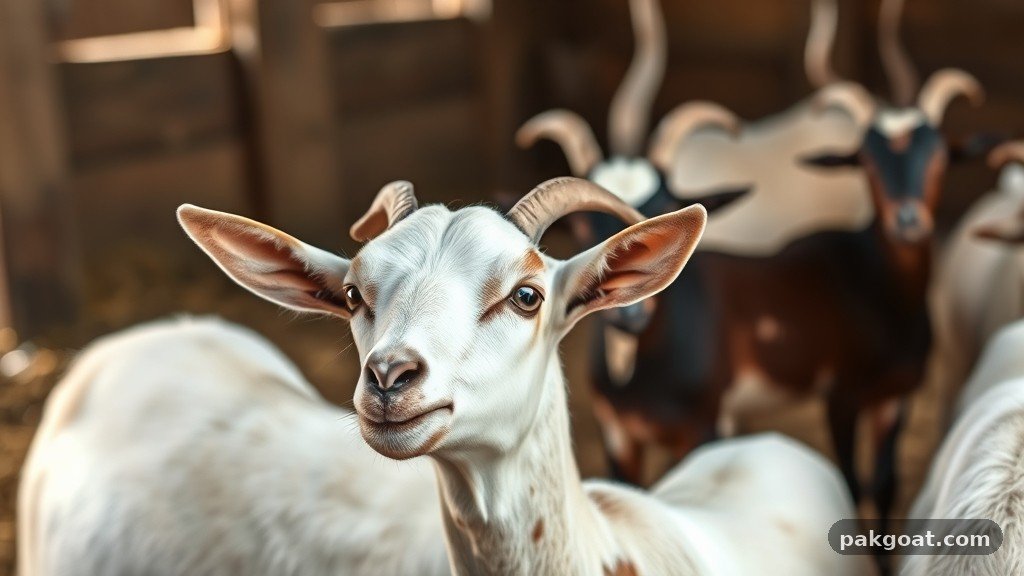
Effective goat rearing tips revolve around understanding the specific biological needs of caprines to ensure herd health and long-term productivity. Whether you are managing a small homestead flock or scaling up to a commercial operation, success depends on consistent nutrition, secure housing, and proactive medical management.
These animals are curious, intelligent, and highly sensitive to their environment, requiring a structured approach to daily care. By implementing these practices, you can minimize common health issues and maximize the yield of milk, meat, or fiber from your animals.
The most critical factor for a beginner is starting with a manageable herd size, typically two to three goats, because these animals are social creatures that suffer from isolation. You should never keep a single goat, as the stress of loneliness often leads to behavioral problems and a weakened immune system.
Start with healthy, parasite-free stock from a reputable breeder, and ensure you have at least 15 square feet of indoor shelter space per goat. Investing time in proper fencing—at least 48 inches high with woven wire—prevents the constant frustration of escaped animals.
Establishing a Nutritional Foundation
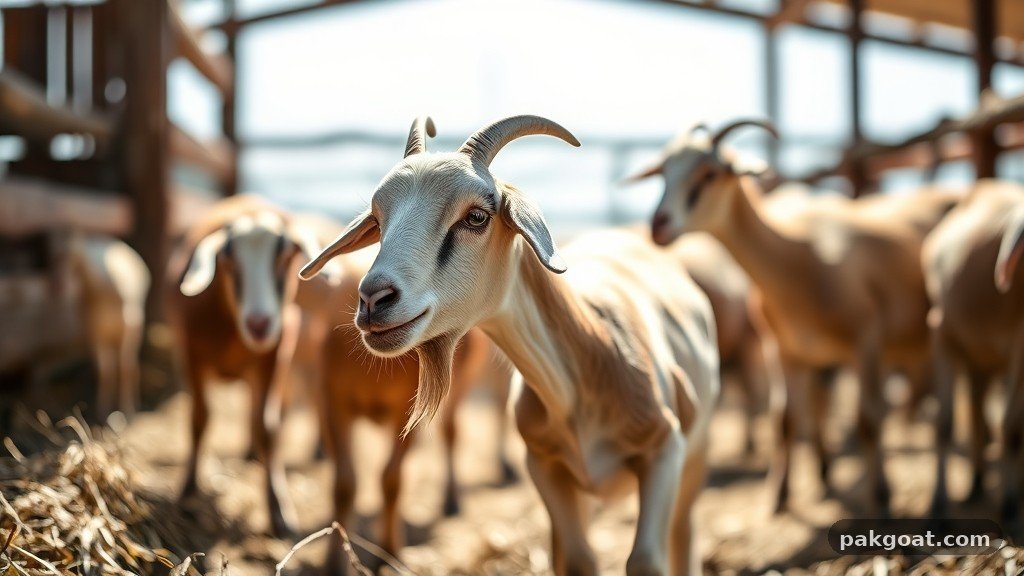
Goats are ruminants, meaning they possess a complex four-compartment stomach designed to ferment fibrous plant material. Their diet should consist primarily of high-quality forage, such as pasture or hay, rather than heavy grain supplementation.
A goat will consume approximately 3% to 4% of its body weight in dry matter daily. Providing access to clean, fresh water at all times is non-negotiable, as even a slight drop in water intake can lead to a significant decrease in milk production or overall vigor.
Mineral supplementation is a frequent oversight that can lead to severe health complications. Unlike sheep, goats require specific copper levels, and you must provide a loose mineral mix formulated specifically for goats rather than a generic livestock block.
These minerals support immune function, hoof health, and reproductive success in the herd. Consult your local agricultural extension office to determine if your soil is deficient in selenium or other trace elements common in your region.
Managing Herd Health and Parasites
Internal parasites, particularly the barber pole worm, represent the greatest threat to a goat’s longevity. You must implement a FAMACHA scoring system, which involves checking the color of the goat’s lower eyelid to assess anemia levels caused by parasite loads.
Relying solely on chemical dewormers is a losing strategy, as resistance to these drugs is becoming widespread across the industry. Instead, focus on rotational grazing, where you move goats to fresh pasture every few weeks to break the parasite life cycle.
Vaccination protocols are another pillar of preventive care that every owner must master. Most veterinarians recommend a Clostridium perfringens Types C and D and Tetanus (CD&T) vaccine for all goats.
This is typically administered to kids at 4 to 6 weeks of age, followed by a booster four weeks later. Keeping detailed records for each animal, including vaccination dates, deworming history, and weight gain, allows you to identify trends and intervene before a minor issue becomes a crisis.
Constructing Secure and Functional Housing
Your shelter must be dry, well-ventilated, and free from drafts, as goats are highly susceptible to respiratory infections in damp conditions. While they enjoy warmth, they tolerate cold temperatures well as long as they have a dry place to lie down.
A shed with three walls facing away from prevailing winds is often sufficient in moderate climates. Ensure the floor is raised or covered with thick, dry bedding like wood shavings or straw to prevent moisture buildup.
Security is just as vital as shelter, as goats are prey animals vulnerable to dogs, coyotes, and bobcats. A sturdy fence is your first line of defense, but many successful farmers also employ livestock guardian dogs or donkeys to provide an active deterrent.
At night, locking your goats in a predator-proof barn is the single most effective way to prevent losses. Check your perimeter daily for holes or loose wires, as goats are experts at finding structural weaknesses.
Comparative Requirements by Goat Type
Different breeds have evolved for different purposes, and your management style should reflect these biological differences. Dairy goats require high-protein diets to sustain milk production, while meat goats focus on muscle development and weight gain. The following table highlights the general differences in management intensity for common herd objectives.
| Goat Type | Primary Focus | Management Intensity | Daily Feed Requirement |
|---|---|---|---|
| Dairy | Milk Yield | High (Requires milking 2x daily) | High (Grain + Forage) |
| Meat | Growth/Weight | Moderate (Pasture management) | Moderate (Forage + Minerals) |
| Fiber | Wool Quality | Moderate (Shearing schedule) | Moderate (Forage + Protein) |
| Pet/Brush | Land Clearing | Low (Maintenance) | Low (Mostly forage) |
Essential Tools for Daily Operations
Equipping yourself with the right tools makes the daily routine more efficient and less physically demanding. You will need a basic medical kit containing a digital thermometer, antiseptic spray, gauze, and a hoof trimming tool.
Hoof health is a major indicator of overall wellness, and you should plan to trim hooves every 6 to 8 weeks depending on the terrain and growth rate. A sturdy milking stand is also useful even if you aren’t milking, as it provides a safe, elevated platform for grooming and medical procedures.
Proper record-keeping is a tool that often gets ignored by hobbyists, yet it is essential for long-term viability. Use a notebook or digital app to track breeding dates, kidding dates, and any health interventions.
If you are interested in official standards and breed associations, you can find more information through the American Dairy Goat Association for registration and performance tracking. This data helps you make informed decisions about which animals to keep and which to cull from your breeding program.
Understanding Behavioral Cues
Goats communicate through subtle body language and vocalizations that experienced owners learn to interpret over time. A goat that stands apart from the herd, hangs its head low, or stops chewing its cud is often signaling illness well before a fever spikes.
Because they are prey animals, they tend to hide symptoms of pain until they are quite sick. Spending time observing your herd during feeding or resting periods allows you to establish a baseline for “normal” behavior.
Social hierarchy is another aspect of goat behavior that influences your management. There is always a “lead doe” who dictates movement and access to prime grazing spots.
When introducing new animals, you must supervise them closely to ensure the established hierarchy doesn’t turn into bullying or food deprivation. Providing multiple feeding stations helps reduce competition and ensures that the lower-ranking members of the herd receive adequate nutrition.
Breeding and Kidding Management
Successful breeding requires careful planning to ensure kids are born during the optimal season for your climate. Most goats have a gestation period of approximately 150 days.
You should separate your buck from the does when you want to stop breeding, as unwanted pregnancies can cause significant strain on smaller or younger does. Providing a clean, quiet “kidding stall” for the final weeks of gestation allows the doe to settle in and reduces the risk of complications during birth.
Kidding is generally a natural process, but you must be prepared to assist if a kid is positioned incorrectly. Keep iodine on hand to dip the navel of a newborn kid, which prevents infection from entering the body.
Ensure that every newborn receives colostrum—the first milk—within the first hour of life, as this is their only source of passive immunity. If a doe rejects her kid or fails to produce milk, you must be prepared to bottle-feed, which requires a significant time commitment.
Frequently Asked Questions
What is the most difficult thing about raising goats?
The most challenging aspect is managing internal parasites. Because goats are browsers who frequently eat near the ground, they are constantly exposed to worm larvae in the pasture. This requires a proactive, rather than reactive, approach to pasture management and monitoring.
Why give baking soda to goats?
Providing free-choice baking soda helps goats buffer their rumen pH. It is particularly useful if they accidentally consume too much grain or lush, wet clover, which can cause bloat or acidosis. It acts as a digestive aid and should always be available in a dry container.
Do goats need to be put away at night?
Yes, it is highly recommended to secure goats in a shed or barn at night. Predators like coyotes, domestic dogs, and mountain lions are most active at night, and goats have very few natural defenses against these threats.
How many goats should a beginner start with?
A beginner should start with at least two or three goats. Because they are herd animals, they become extremely anxious and unhealthy when kept alone. Starting with a small group allows you to learn their behavior and manage their needs without becoming overwhelmed.
How often should I trim goat hooves?
You should check hooves every 6 to 8 weeks. In rocky or hard terrain, their hooves may wear down naturally, but in soft pastures, they will grow long and need regular trimming to prevent rot and structural deformities.
Conclusion
Mastering goat rearing tips is a journey of continuous learning and careful observation. By prioritizing high-quality forage, maintaining a clean and secure environment, and staying diligent with parasite management, you create the conditions necessary for a thriving herd. Remember that every farm is unique; the specific needs of your animals will change based on your local climate, available grazing, and the breed you choose to raise.
Start small, keep detailed records, and don’t hesitate to consult local agricultural experts when you encounter new challenges. With consistent care and a proactive mindset, you will find that raising goats is a rewarding endeavor that provides both personal satisfaction and tangible agricultural benefits. Reach out to local farming groups or community extensions to share your progress and learn from others in your immediate area.
