

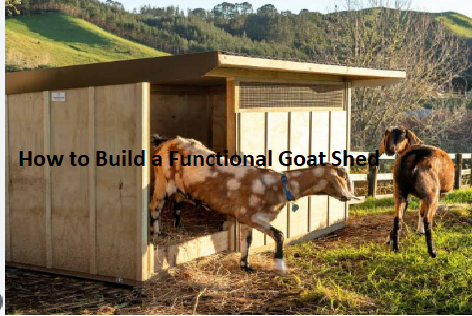
A well-constructed goat shed serves as the cornerstone of a healthy herd, providing essential protection from harsh weather and predators. Whether you are a small-scale hobbyist or managing a larger operation, understanding the specific requirements for your goat shed will significantly improve the long-term well-being of your animals.
Goats are notoriously sensitive to moisture and drafts, which makes the design of your goat shed a critical factor for their survival. You need a structure that offers a dry, draft-free environment while maintaining adequate ventilation to prevent respiratory issues.
By focusing on proper orientation, durable materials, and smart interior layouts, you can create a space that keeps your goats comfortable throughout the year. This article examines the core principles of building, maintaining, and optimizing a shelter that truly meets the needs of your livestock.
Understanding Core Shelter Requirements
The primary purpose of a goat shed is to act as a barrier against the elements. Goats possess a natural coat, but they lack the heavy oil production found in sheep, making them highly susceptible to chilling when their fur becomes damp. Your structure must be completely waterproof and capable of withstanding high winds without shifting or leaking.
Space allocation is another non-negotiable metric for a successful goat shed. A standard rule of thumb is to provide at least 10 to 15 square feet of floor space per adult goat.
If your goats are confined to the shed for extended periods due to snow or heavy rain, you should increase this to 20 square feet to prevent overcrowding. Overcrowding leads to increased stress, aggressive behavior, and a rapid buildup of ammonia from urine.
Ventilation is frequently misunderstood by first-time owners who equate “warm” with “sealed tight.” A goat shed should never be airtight, as the buildup of moisture from breath and waste leads to pneumonia. You should aim for high-mounted vents or open eaves that allow moist air to escape near the roofline while keeping the main living area free of direct, freezing drafts.
Flooring Options for Your Livestock
Deciding on the base of your goat shed is a choice between drainage, cost, and ease of cleaning. Many experts recommend a raised wooden floor or a packed dirt base covered with a thick layer of bedding. If you choose a dirt floor, it must be slightly elevated from the surrounding ground to ensure water drains away rather than pooling inside.
Concrete is often discouraged for the main living area because it is cold, unforgiving on the goats’ joints, and can be difficult to keep dry. If you already have a concrete pad, you must cover it with thick rubber mats or deep-litter bedding to provide insulation. Wood floors are excellent for warmth but require rot-resistant lumber like cedar or treated pine to handle the constant moisture from waste.
The following table compares common flooring materials used in agricultural settings:
| Flooring Type | Pros | Cons |
|---|---|---|
| Packed Dirt | Inexpensive, natural | Hard to sanitize, prone to mud |
| Wooden Planks | Warm, elevated | Expensive, requires maintenance |
| Rubber Mats | Durable, easy to clean | High upfront cost, heavy |
| Gravel Base | Excellent drainage | Rough on hooves, hard to shovel |
Structural Orientation and Site Selection
Where you place your goat shed often determines how much maintenance you will perform later. Always orient the front of the shed away from the direction of prevailing winds. In the Northern Hemisphere, this usually means facing the opening toward the south or southeast to capture winter sunlight.
Avoid low-lying areas or depressions in your pasture where water naturally collects during the spring thaw. Even a well-built structure will struggle if the foundation sits in a mud pit for months at a time. If you have limited flat land, consider using a French drain or digging a trench around the perimeter to divert surface runoff away from the walls.
Consider the proximity to your own home or main barn for daily chores. You will be visiting this shed twice a day for feeding and health checks, so a location that remains accessible during winter storms is a major asset. Proximity to a reliable water source also saves countless hours of hauling buckets throughout the year.
Essential Features and Interior Layout
Every functional goat shed needs a few key interior elements to keep the herd organized and healthy. A hay feeder is mandatory to prevent waste, as goats are notoriously picky and will trample any hay that hits the ground. Mount your feeder at a height where the goats can reach it comfortably without being able to jump inside or defecate on the supply.
You should also designate a corner for a mineral block station, ensuring it stays dry and accessible. If you keep bucks, remember that they require a separate, sturdy enclosure within or adjacent to the main shed to prevent unwanted breeding. A simple gate system with a secure latch is necessary for managing these separations without needing to build a completely separate building.
Consider these interior must-haves:
-
- Sturdy hay racks mounted at nose-level
-
- Secure latches that goats cannot open with their lips
-
- A dry, elevated mineral station
-
- Separate pens for kidding or sick animals
-
- Wide, unobstructed doorways to prevent traffic jams
Materials and Construction Standards
Choosing the right materials ensures your goat shed lasts for more than a single season. While scrap wood is tempting, it often harbors parasites, old nails, or toxic residues from lead paint. Use pressure-treated lumber for the base frame that contacts the ground to prevent rot, but keep the upper walls and interior surfaces free of chemicals.
Metal roofing is the gold standard for most goat structures because it sheds snow efficiently and lasts for decades. If you use shingles, ensure they are high-wind rated, as goats are curious and may try to chew on loose edges. Exterior siding should be thick enough to resist a goat’s tendency to rub against walls, which can quickly destroy thin plywood or flimsy plastic siding.
The eXtension Foundation provides resources on agricultural building standards that can help you determine the specific wind and snow load requirements for your region. Always check with your local planning department before construction, as some areas have strict size limits or setback requirements for agricultural structures.
Managing Bedding and Moisture
Bedding is the primary tool you have for moisture control inside a goat shed. Straw is the most common choice because it is absorbent, affordable, and easy to source in most rural areas. Wood shavings are also popular, though you should avoid cedar shavings, as the oils can be irritating to the respiratory systems of smaller goats.
The deep-litter method involves adding fresh layers of bedding on top of old layers throughout the winter. This creates a composting effect that actually generates a small amount of heat, keeping the floor warmer for the animals. You must monitor this closely; if the bedding becomes wet or smells strongly of ammonia, you must strip the shed and start over to avoid hoof rot and lung irritation.
Always keep your bedding stockpile in a separate, dry building. Wet hay or straw is a fire hazard and will quickly mold, rendering it useless for your herd. If you live in a particularly humid climate, consider adding a small electric fan to your shed design to increase airflow during the muggy summer months.
Common Mistakes to Avoid
Many beginners make the mistake of building a shed that is too small, thinking goats will be “cozier” in tight quarters. In reality, a small shed leads to constant fighting for position and makes it impossible to clean efficiently. Another common error is using non-locking latches; goats are incredibly intelligent and can easily learn to operate simple slide bolts or hooks.
Neglecting the roof overhang is a frequent oversight that leads to water running down the walls and rotting the structure. Your roof should extend at least 12 to 18 inches past the exterior walls to protect the siding and keep the area directly in front of the door dry. This creates a “porch” effect that goats appreciate during light rain.
Finally, do not underestimate the destructive power of a goat’s horns and hooves. Any electrical wiring must be protected in conduit and kept completely out of reach. If you use interior partitions, ensure they are bolted securely to the frame, as goats will use them as scratching posts and will eventually push over anything that isn’t reinforced.
Maintenance and Long-Term Upkeep
A goat shed requires a seasonal maintenance schedule to remain safe and functional. Every spring, empty the shed completely and inspect the floor for signs of rot or insect damage. This is the perfect time to scrub the walls with a mild disinfectant to kill any lingering parasites or bacteria from the winter months.
Check your roof for leaks after the first heavy rain of the season. Even a small drip can ruin your bedding and create a patch of mold that your goats might accidentally ingest. Inspect the exterior for any loose boards or nails that could snag a goat’s skin or get tangled in their hair, leading to painful injuries.
Regularly evaluate the condition of your fences and gates as part of your shed maintenance. A shed is only as secure as the perimeter surrounding it, and goats are notorious for testing the integrity of their enclosures. By keeping your infrastructure in good repair, you prevent the need for costly emergency fixes later in the year.
Frequently Asked Questions
What is the best way to keep a goat shed warm during winter?
You should focus on insulation and wind protection rather than artificial heat. A well-constructed shed should be draft-free, and the deep-litter method provides natural warmth through composting. Avoid using heat lamps, as they are a significant fire hazard in a building filled with dry hay and bedding.
Do I need to install a floor in my goat shed?
A floor is not strictly necessary, but it is highly recommended for herd health. A raised wooden floor keeps goats off the cold ground and away from moisture. If you use a dirt floor, ensure it is built up several inches higher than the surrounding pasture to prevent pooling.
How do I stop my goats from eating their wooden shelter?
Goats are natural chewers, especially when bored or lacking fiber. Ensure they have constant access to high-quality hay and consider hanging a salt or mineral block to keep them occupied. You can also coat the edges of exposed wood with a non-toxic, bitter-tasting deterrent to discourage chewing.
What are the most common shelter mistakes?
The most common mistakes include making the structure too small, failing to provide enough ventilation, and building in a low-lying area that floods. Many owners also neglect to use secure, goat-proof latches, allowing the animals to escape their pens repeatedly.
What is the ideal orientation for a goat shelter?
The entrance should face away from the prevailing winds, which usually means facing the opening toward the south or southeast. This orientation maximizes sunlight exposure during the winter months, which helps keep the interior dry and provides a warm spot for the goats to rest.
Creating a reliable goat shed is a rewarding project that pays off in the health and happiness of your animals. By focusing on proper airflow, durable materials, and a layout that allows for easy cleaning, you provide a safe haven that protects your herd year-round. Remember that the best design is one that balances the natural behaviors of your goats with the practical realities of your local climate and budget.
Take the time to observe your goats once the structure is complete. They will tell you if the ventilation is sufficient or if they prefer a different corner for sleeping.
Adjusting your management style to match their needs is the final step in successful husbandry. Whether you are building from scratch or renovating an existing structure, these fundamentals will help you maintain a functional and long-lasting goat shed for years to come.
