

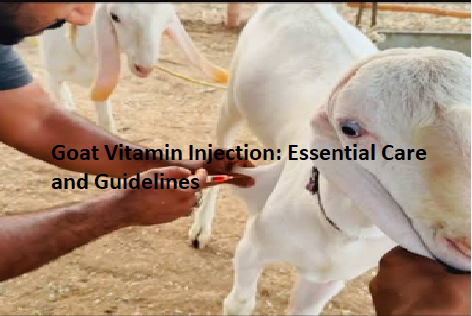
Administering a goat vitamin injection is a common task for herd managers looking to support animal health, especially during periods of stress or dietary transition. These supplements provide essential micronutrients that help sustain metabolic function and immune resilience, particularly when regional soil quality is poor.
Understanding the proper timing, dosage, and administration methods ensures that your livestock receives the full benefit of these treatments without unnecessary risk. By mastering these clinical procedures, you can effectively manage common deficiencies and keep your herd performing at its peak potential throughout the seasons.
The most frequent reason to provide a goat vitamin injection is to address a deficiency in Vitamins A, D, and E or the B-complex group, specifically thiamine. If your goat is showing signs of lethargy, poor coat quality, or neurological issues, a targeted dose can often provide a rapid recovery.
For severe cases like polioencephalomalacia, a thiamine injection is a life-saving intervention that must be administered immediately upon the onset of symptoms. Always consult with a veterinarian to confirm that an injectable supplement is the correct response to the specific clinical signs your animal is exhibiting.
Common Vitamin and Mineral Deficiencies
Goats are highly sensitive to their environment, and mineral imbalances in forage are a frequent trigger for health declines. Selenium and Vitamin E deficiencies are particularly common in regions with acidic soil, leading to white muscle disease in kids.
This condition prevents normal muscle development and can cause sudden death in otherwise healthy-looking animals. Providing a supplement helps bridge the gap when natural pasture intake is insufficient to meet their physiological requirements.
Thiamine, or Vitamin B1, is another critical component often administered via injection. Goats produce thiamine naturally in their rumen, but dietary changes or exposure to certain toxins can inhibit this synthesis.
Without enough thiamine, goats suffer from neurological damage that manifests as stargazing, circling, or blindness. A quick injection of Vitamin B1 can reverse these effects if treated early enough in the progression of the disease.
Recommended Administration Sites
Proper injection technique is vital to ensure the medication is absorbed correctly while minimizing discomfort for the animal. Most vitamin supplements are administered subcutaneously, meaning they are placed just under the skin rather than deep into the muscle.
The best location for this is the loose skin found in the “axillary” area, which is located behind the front leg or in the neck region. Always use a clean, sharp needle of the appropriate gauge to avoid tissue damage or abscess formation.
Intramuscular injections are less common for standard vitamin supplements but may be required for specific concentrated formulations. When an intramuscular route is necessary, the neck muscle is the preferred site because it is less likely to result in damage to high-value meat cuts.
Never inject into the hip or the rear leg, as these areas are prone to nerve damage and have poor circulation for drug absorption. If you are unsure about the location, ask a veterinarian to demonstrate the proper technique during your next herd visit.
Dosage and Safety Calculations
Determining the correct dose for a goat vitamin injection requires an accurate weight measurement of the individual animal. Using a livestock scale is the most precise method, though a weight tape can provide a reasonable estimate for adult goats.
Overdosing can lead to toxicity, particularly with fat-soluble vitamins like A and D, which accumulate in the liver over time. Always read the product label carefully, as concentrations vary significantly between different manufacturers and specific veterinary brands.
Keep a detailed log of every injection, including the date, the specific product used, and the animal’s identification number. This record-keeping practice is essential for maintaining herd health and meeting withdrawal requirements if your goats are raised for milk or meat.
If you are administering these treatments to a large herd, organize your supplies in a portable kit that includes syringes, needles, antiseptic, and the vitamins themselves. The following table provides a general overview of common injection types and their primary uses in goat management.
| Supplement Type | Primary Purpose | Common Route |
|---|---|---|
| Vitamin B1 (Thiamine) | Neurological support/Polio | Subcutaneous/Intramuscular |
| Vitamin A, D, E | Immune support/Growth | Subcutaneous |
| Selenium/Vitamin E | Muscle development | Subcutaneous |
| B-Complex | Appetite stimulant/Recovery | Subcutaneous |
Managing Stress and Seasonal Transitions
Seasonal changes often place significant physical strain on goats, making it a prime time for routine vitamin supplementation. During the transition from pasture to hay, or during the harsh winter months, forage quality naturally declines.
Providing a boost during these windows helps maintain body condition scores and supports reproductive health in does. Some managers prefer to administer a multivitamin injection to their entire herd twice a year to ensure a baseline level of wellness.
Stress factors, including relocation, transport, or the introduction of new herd members, can also suppress the immune system. A preventive vitamin injection given prior to these events can help the animals cope with the sudden change in environment.
By acting proactively, you reduce the likelihood of secondary infections or digestive upsets that often follow high-stress situations. Careful observation is the best tool for determining when your herd might benefit from this additional nutritional support.
Equipment and Hygiene Standards
The success of any injection protocol depends heavily on strict sanitation measures. Using a dirty needle can introduce bacteria into the tissue, leading to painful abscesses that require surgical drainage or systemic antibiotics.
Always use a fresh, sterile needle for every individual goat to prevent the cross-contamination of blood-borne pathogens. If you must reuse a syringe, ensure it is thoroughly cleaned and sanitized according to the manufacturer’s guidelines for your specific equipment.
Keep your supplies stored in a cool, dry place to prevent the degradation of the vitamins. Many injectable supplements are light-sensitive, so keeping them in their original dark-colored packaging is essential for maintaining potency.
Check the expiration date on every bottle before use, as expired vitamins may lose their effectiveness or become chemically unstable. For further information on animal health standards, visit the USDA Animal and Plant Health Inspection Service to review guidelines on livestock care.
Recognizing Signs of Over-Supplementation
While vitamins are beneficial, it is possible to provide too much of a good thing. Fat-soluble vitamins, specifically Vitamin A and Vitamin D, are stored in the body and do not flush out as easily as water-soluble B vitamins.
Signs of toxicity can include lethargy, loss of appetite, and in severe cases, organ distress. If you suspect an animal has received an incorrect dose, monitor them closely for changes in behavior and contact your veterinarian immediately for guidance.
Another risk factor is the accidental injection of substances not intended for goats. Always verify the label to ensure the product is labeled for small ruminants or consult a professional about off-label usage.
Some products containing high levels of iron or other minerals can cause reactions if the dosage is not carefully calculated based on body weight. When in doubt, it is always safer to provide a smaller dose or wait for professional advice before proceeding with a full treatment.
Signs of Success and Recovery
After administering a goat vitamin injection, you should look for specific indicators that the treatment is working. Improved energy levels, a clearer eye, and a return to normal grazing behavior are common signs of success.
For animals suffering from thiamine deficiency, you may see a reduction in neurological symptoms like circling or head pressing within 24 to 48 hours. If there is no improvement after a reasonable timeframe, the underlying issue may not be a vitamin deficiency and requires further diagnostic testing.
Monitor the injection site for any signs of swelling or localized heat. While a small lump is normal due to the fluid being absorbed by the tissue, a large, warm, or painful swelling indicates an infection.
If this occurs, keep the area clean and observe the animal for systemic signs of fever or lethargy. Most minor reactions will resolve on their own, but persistent issues should always be addressed by a medical professional to prevent long-term damage.
Frequently Asked Questions
How often should I give a goat vitamin injection?
Routine supplementation is usually done on a seasonal basis or when specific health challenges arise. There is no one-size-fits-all schedule, as it depends on the quality of your forage and the specific needs of your herd. Consult with a local agricultural extension agent to learn about the nutritional deficiencies common in your specific geographic region.
Can I give a vitamin injection to a pregnant doe?
Yes, supporting a doe with proper vitamins during gestation is often recommended to ensure the health of both the mother and the developing kids. However, the dosage may need to be adjusted, and you should avoid high-dose Vitamin A supplements in the very early stages of pregnancy if possible. Always verify the safety of the specific product with your veterinarian before treating pregnant animals.
What if I accidentally hit a blood vessel?
If you pull back on the syringe plunger and see blood, simply remove the needle and try again in a new location. Hitting a vein is not necessarily harmful in most cases, but it can cause the medication to enter the bloodstream too quickly. It is best to avoid the vein and ensure the injection is placed in the subcutaneous space as intended.
Why is my goat still sick after the injection?
If you have administered a vitamin injection and seen no improvement, it is likely that the animal is suffering from something else. Parasites, bacterial infections, or viral diseases can mimic the signs of nutritional deficiencies. Do not continue to increase the vitamin dosage, as this will not cure an unrelated disease and may cause toxicity.
Is it safe to mix different vitamins in the same syringe?
You should generally avoid mixing different medications or vitamins in the same syringe unless the manufacturer explicitly states it is safe. Chemical reactions can occur between the different solutions, potentially rendering the vitamins ineffective or causing irritation at the injection site. It is always safer to administer different products as separate injections in different locations.
Conclusion
Managing the health of your herd through the use of a goat vitamin injection is a practical and effective way to ensure long-term vitality. By focusing on accurate dosing, clean administration techniques, and careful observation, you can mitigate the effects of common nutrient deficiencies and support your goats during times of stress. Remember that these supplements are most effective when paired with a high-quality forage program and proper veterinary oversight.
Keep your records organized and your equipment sterile to ensure the best possible outcomes for your animals. Whether you are addressing a specific health concern or simply providing seasonal support, these steps will help you maintain a productive and healthy herd. Reach out to your local veterinarian to establish a tailored health plan that addresses the unique needs of your specific environment and goat population.
