

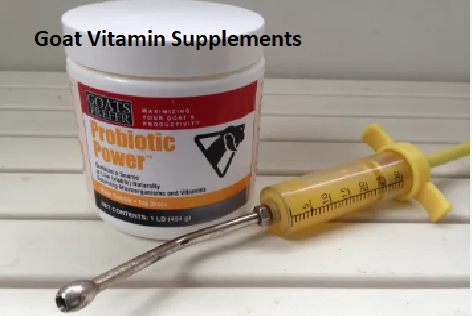
Managing goat vitamin supplements effectively requires understanding the specific physiological needs of your herd, especially regarding trace minerals and fat-soluble vitamins. Goats are ruminants with complex digestive systems that rely on a delicate balance of microbes to process forage and grains. When natural grazing or high-quality hay fails to provide enough nutrients, targeted supplementation becomes necessary to maintain health and productivity.
By providing the right balance of vitamins and minerals, you prevent deficiency-related illnesses and improve overall herd longevity. This guide explores the essential components of goat nutrition, helping you make informed decisions about when and how to introduce these supplements to your animals.
Goats typically require a precise balance of vitamins A, D, and E, which are often the most critical components found in standard goat vitamin supplements. Most healthy goats on high-quality pasture obtain sufficient vitamin A from beta-carotene in green plants, but stalled animals or those fed poor-quality hay often experience a deficiency. Vitamin D is synthesized through sunlight exposure, meaning goats kept indoors for long winters are at high risk without additional support.
Vitamin E is essential for muscle health and immune function, particularly in young kids prone to nutritional muscular dystrophy. Providing a formulated loose mineral mix or a specific drench is the most common way to address these needs.
The Role of Trace Minerals
While vitamins are vital, they rarely work in isolation from minerals like selenium, copper, and zinc. Selenium deficiency is a common issue in many regions, leading to weak offspring and retained placentas in does. You must test your soil or consult local extension agents to determine if your area is selenium-deficient. Copper is another critical element, but it is highly toxic to sheep; if you house goats and sheep together, you must use a supplement specifically designed for mixed-species safety. Zinc plays a massive role in skin health and hoof integrity, and a deficiency often manifests as hair loss or chronic foot rot.
Determining Supplement Needs
You should never assume your goats need a supplement without first evaluating their current diet and physical condition. Start by assessing the quality of your hay, which should ideally be tested for protein, energy, and mineral content. If your goats look lethargic, have rough coats, or show signs of poor growth, these are red flags indicating a nutritional gap. Blood tests performed by a veterinarian provide the most accurate picture of your herd’s internal status. Relying on visual observation alone can lead to over-supplementation, which is just as dangerous as a deficiency.
| Vitamin/Mineral | Primary Function | Common Deficiency Sign |
|---|---|---|
| Vitamin A | Vision and reproduction | Night blindness and poor coat |
| Vitamin D | Bone growth and calcium | Rickets and weak legs |
| Vitamin E | Muscle and immune support | Stiffness and white muscle disease |
| Copper | Enzyme function and hair | “Fish tail” hair loss |
| Selenium | Muscle and reproductive health | Weakness in newborn kids |
Safe Administration Methods
Loose minerals are generally preferred over blocks because goats often struggle to get enough intake from hard, compressed blocks. When using loose minerals, ensure the container is protected from moisture to prevent caking and mold growth. Some owners prefer using injectable vitamins for rapid recovery in sick animals, but this should only be done under veterinary guidance. Oral drenches are another effective method for immediate supplementation, especially for kids that are not yet eating solid forage. Always follow the manufacturer’s dosage instructions strictly, as fat-soluble vitamins can build up to toxic levels in the liver.
Common Pitfalls in Supplementation
One of the biggest mistakes keepers make is providing “all-purpose” livestock supplements that are not formulated for ruminants. Cattle mineral mixes, for example, may contain levels of minerals that are toxic to goats over time. You must also avoid “medicated” feeds unless you have a specific diagnosis from a vet, as these can interfere with the absorption of essential nutrients. Another frequent error is failing to provide clean, fresh water, which is the most important nutrient of all. Without adequate hydration, the digestive enzymes required to process vitamins and minerals cannot function properly.
The Impact of Seasonal Changes
Goat nutritional requirements shift significantly throughout the year, especially during breeding and kidding seasons. Does in late pregnancy and early lactation have substantially higher needs for calcium, phosphorus, and energy. During the winter months, when forage is dormant, the reliance on stored hay increases the likelihood of vitamin A and E deficiencies. You should adjust your supplementation strategy to match these seasonal cycles rather than providing a static amount year-round. Monitor your herd’s body condition score (BCS) every month to see if your current feeding program is meeting their metabolic demands.
Regional Considerations for Soil Quality
The soil in your specific region determines the mineral content of the grass and hay your goats consume. For instance, the Pacific Northwest is notoriously low in selenium, necessitating consistent supplementation for all livestock. Conversely, some areas have high levels of molybdenum, which binds with copper and prevents its absorption, even if the copper levels in the feed seem adequate. You can find detailed resources on regional soil deficiencies through the USDA Natural Resources Conservation Service. Understanding your local environment allows you to tailor your goat vitamin supplements to address the specific challenges of your land.
Signs of Over-Supplementation
It is possible to provide too much of a good thing, particularly with fat-soluble vitamins and certain minerals. High levels of copper can lead to acute toxicity, characterized by jaundice and sudden collapse, which is often fatal. Excessive selenium can cause hair loss, hoof sloughing, and neurological issues in the herd. If you notice a sudden drop in feed intake or unusual behavior after introducing a new supplement, stop immediately. Always keep supplements stored in a secure location where goats cannot access them in large quantities, as they may consume a toxic dose if given the chance.
Frequently Asked Questions
How can I tell if my goat is vitamin deficient?
Deficiencies usually show up as physical changes like a dull, coarse coat, poor growth rates, or frequent illness. Reproductive issues, such as stillborn kids or failure to settle, are also major indicators that your herd’s nutritional needs are not being met.
Are human vitamins safe for goats?
Human vitamins are generally not recommended because the dosage and balance of nutrients are calibrated for a different species. Goats have unique requirements, and human formulas may contain additives or fillers that are unnecessary or even harmful to their specialized digestive tracts.
Should I use free-choice minerals or top-dress feed?
Free-choice loose minerals are the standard for most herds because they allow goats to self-regulate based on their individual needs. Top-dressing is useful if you need to ensure a specific goat receives a medication or a precise dose of a supplement, but it is less practical for large herds.
What is the most common mineral deficiency in goats?
Selenium and copper are the two most frequently reported mineral deficiencies in goat herds across North America. Both are heavily influenced by the soil quality of the farm, making it essential to consult with local agricultural experts to understand your specific needs.
Do goats need salt blocks?
Goats need salt, but they should receive it as part of a balanced mineral mix rather than a plain salt block. Plain salt blocks do not provide the necessary trace minerals like selenium, zinc, and copper that goats require to thrive.
Conclusion
Maintaining the health of your herd depends on a proactive approach to nutrition and a deep understanding of their biological requirements. By consistently monitoring your goats and adjusting your use of goat vitamin supplements based on their life stage and regional soil conditions, you can prevent many common health issues. Remember that supplements are intended to fill gaps in an already high-quality diet, not to replace the fundamental need for good forage, clean water, and proper shelter. If you are unsure about your current program, start by testing your hay and consulting with a large-animal veterinarian. Taking these small, informed steps will lead to a more resilient, productive, and healthy herd for years to come.
