

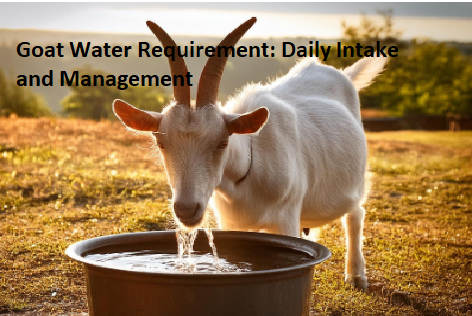
Understanding the daily goat water requirement is essential for any producer looking to maintain herd health and productivity. While these animals are often stereotyped as rugged survivors, they rely heavily on consistent access to clean, fresh liquid to process dry matter and regulate body temperature.
Neglecting this basic physiological need can lead to rapid drops in milk production, decreased appetite, and severe medical complications like urolithiasis. By managing hydration effectively, you safeguard your investment and ensure your animals thrive in diverse environmental conditions.
An average adult goat typically consumes between 2 to 4 gallons (7.5 to 15 liters) of water every single day. This figure is not static and will fluctuate based on the animal’s life stage, the ambient temperature, and the moisture content of their current diet.
A lactating doe, for instance, will require significantly more volume than a dry buck because she is losing fluid through milk production. You should always prioritize providing clean, accessible sources to avoid the metabolic stress associated with even mild dehydration.
Factors Influencing Daily Consumption
Several variables dictate exactly how much fluid an individual animal needs during a twenty-four-hour period. The most prominent factor is the physiological state of the goat, specifically whether it is pregnant, lactating, or growing. A high-producing dairy doe might double her intake compared to a non-productive animal because her metabolic engine is working at maximum capacity.
Environmental temperature acts as a major multiplier for the goat water requirement. As the thermometer climbs above 75 degrees Fahrenheit, goats will increase their intake to support evaporative cooling and maintain homeostasis. High humidity can sometimes mitigate this slightly, but direct solar radiation and heat stress will always force a spike in demand.
Dietary composition also plays a fundamental role in how much water an animal seeks out. If you are feeding lush, high-moisture pasture, your goats may appear to drink less because they are obtaining a portion of their hydration from the forage itself. Conversely, a diet consisting entirely of dry hay or processed grain requires a much higher volume of supplemental water for proper rumen function and digestion.
Hydration and Rumen Function
The rumen acts as a massive fermentation vat that relies heavily on a fluid environment to break down fibrous plant material. Without sufficient moisture, the consistency of the rumen contents becomes too thick, slowing down the passage of feed and reducing nutrient absorption. This condition, often referred to as “impacted rumen,” can be life-threatening if it progresses without intervention.
Water serves as the primary medium for the transport of nutrients from the rumen to the rest of the body. When a goat consumes water, it helps facilitate the movement of volatile fatty acids, which are the main energy source for the animal. Adequate hydration ensures that these nutrients are effectively circulated, supporting muscle growth, immune function, and overall vitality.
Microbial populations within the rumen also depend on a stable, hydrated environment to thrive. These microbes are responsible for breaking down cellulose, which is the most abundant carbohydrate in a goat’s diet. If the water supply is restricted, these microbial colonies can die off or become less efficient, leading to a noticeable decline in the animal’s body condition and growth rate.
Managing Water Quality and Access
Providing the right quantity is only half of the equation, as the quality of the water is equally vital for herd health. Goats are notoriously picky drinkers and will often refuse to consume water that has been contaminated by manure, algae, or debris. You should clean troughs regularly to prevent the buildup of slime and bacteria that could discourage intake.
Positioning your water sources is another strategic consideration for the farm layout. Goats prefer drinking from elevated containers or clean troughs rather than ground-level pools where they might step or defecate. By keeping water sources away from high-traffic manure areas, you reduce the risk of parasite transmission and improve the overall sanitation of your operation.
For those interested in the specific nutritional science behind these needs, the Nutrient Requirements of Goats provided by the National Academies of Sciences, Engineering, and Medicine offers a deep dive into the physiological demands of various breeds. This reference material is the gold standard for understanding how specific minerals and hydration levels interact to support long-term animal health.
Seasonal Variations in Intake
Winter presents a unique challenge for producers because goats often reduce their water intake when temperatures drop. This behavior is dangerous because it leads to dehydration even when the animal is surrounded by cold weather. You must ensure that water is kept at an accessible temperature, ideally above 40 degrees Fahrenheit, to encourage consistent drinking during the colder months.
Frozen troughs are a common issue that can lead to immediate drops in milk yield and digestive issues. Using tank heaters or insulated buckets can prevent the water from freezing, ensuring the animal always has access to liquid. Even in the winter, the metabolic demand for water remains high due to the energy required for thermoregulation and the digestion of dry, winter-stored hay.
Summer management requires the opposite approach, focusing on keeping the water cool and free of algae. Heat-stressed goats will often stand in or near their water source, which can quickly turn a clean trough into a bacterial breeding ground. Frequent scrubbing and water changes are necessary during peak heat to maintain palatability and prevent the spread of disease among the herd.
Comparison of Water Needs by Category
The following table outlines the estimated daily water intake for different classes of goats under moderate environmental conditions. These figures are averages and should be adjusted upward during extreme heat or periods of high production.
| Goat Category | Estimated Daily Intake (Gallons) |
|---|---|
| Mature Dry Doe | 1.5 – 2.5 |
| Lactating Doe | 3.0 – 5.0 |
| Growing Kid | 0.5 – 1.5 |
| Buck (Breeding) | 2.0 – 3.0 |
Identifying Signs of Dehydration
Recognizing the early warning signs of inadequate hydration can save you significant veterinary costs and prevent losses. The most common indicator is a sudden drop in feed intake, as the rumen requires water to process dry feed effectively. If your goats are standing away from the trough or looking lethargic, you should immediately check the state of their water supply.
Physical indicators of dehydration include sunken eyes, dry mucous membranes, and a loss of skin elasticity. If you pinch the skin over the shoulder and it does not snap back into place immediately, the animal is likely experiencing moderate to severe dehydration. In such cases, you must address the water deficiency immediately and consider electrolyte supplementation if the animal is weak.
Changes in urine output and fecal consistency also provide clues regarding hydration status. Dehydrated goats will produce concentrated, dark urine and small, dry fecal pellets that are harder than normal. These symptoms often precede more serious systemic issues, so observing the herd’s bathroom habits is a simple but effective way to monitor their health.
Equipment and Delivery Systems
Choosing the right watering equipment depends on the size of your herd and your available infrastructure. Automatic waterers are excellent for larger operations because they ensure a constant supply without the need for manual filling. However, these systems require regular checks to ensure the float valves are functioning and the bowls are not clogged with debris.
For smaller herds, heavy-duty rubber tubs or buckets are often the most practical choice. These are easy to move, clean, and sanitize compared to fixed plumbing systems. Regardless of the equipment, ensure that the containers are sturdy enough to withstand goats climbing on them or pushing against them.
Key considerations for your watering system include:
-
- Ease of cleaning: Can you reach every corner to scrub away biofilm?
-
- Portability: Is it easy to move the water source when rotating pastures?
-
- Durability: Will the container survive accidental damage from herd activity?
-
- Flow rate: Does the refill speed match the consumption rate of your largest group?
Mineral Interaction and Hydration
The relationship between mineral intake and the goat water requirement is critical, particularly regarding salt. Providing free-choice loose minerals is standard practice, but you must ensure that salt is balanced correctly within the mix. If a goat consumes excessive salt without adequate water, it will quickly become dehydrated and potentially develop urinary calculi.
Conversely, some minerals are essential for maintaining the osmotic balance that keeps cells hydrated. Magnesium, potassium, and sodium all play roles in how the body retains fluid. By ensuring your goats have access to a high-quality, species-specific mineral block or loose supplement, you support their internal systems in regulating their own fluid balance.
Always monitor the mineral intake levels, as some goats may over-consume minerals if they are bored or stressed. If you notice a sudden spike in water consumption alongside excessive mineral licking, investigate the cause immediately. A balanced nutritional program is the foundation upon which effective hydration management is built.
Conclusion and Best Practices
Maintaining a consistent goat water requirement is one of the most effective ways to ensure the longevity and productivity of your herd. By providing clean, temperate, and easily accessible sources, you prevent the metabolic stress that leads to poor health and decreased output. Remember that these needs shift constantly based on weather, life stage, and diet, requiring you to remain observant and proactive.
Regularly checking your troughs, monitoring individual behavior, and investing in reliable equipment will pay dividends in the health of your animals. As you continue to refine your management strategy, prioritize hydration as a primary pillar of your daily routine. Keeping a close eye on these requirements will help your goats thrive throughout every season of the year.
