

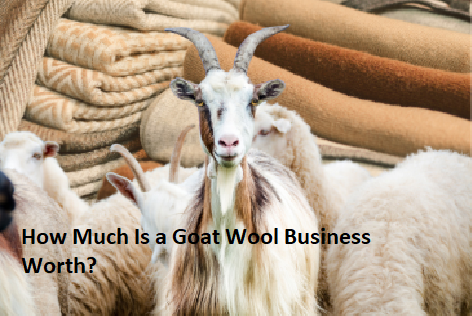
Entering the goat wool business requires a deep understanding of fiber quality, breed selection, and the nuances of the luxury textile market. Entrepreneurs often find that the profitability of this sector hinges on the ability to produce high-grade mohair or cashmere rather than simply managing a herd. Understanding the operational costs and market demand for raw fiber is the first step toward building a sustainable agricultural enterprise.
The primary financial return for a producer comes from the sale of raw, shorn fiber, which currently ranges from $5 to $20 per pound depending on the micron count and cleanliness. High-quality kid mohair often fetches the top end of this scale, while coarser adult fiber remains significantly cheaper. You can expect to harvest roughly 4 to 10 pounds of fiber per goat annually, making herd size a critical factor in scaling your revenue.
The Economics of Fiber Production
Operating a successful goat wool business involves balancing the cost of animal husbandry against the fluctuating market prices for raw fiber. Feed, shearing services, and veterinary care represent the bulk of your overhead, often consuming 40% to 60% of gross revenue. Producers who invest in value-added processing, such as cleaning and carding the wool, can increase their margins by nearly double.
Many new entrants fail because they underestimate the impact of fiber diameter on pricing. Buyers prioritize fineness, measured in microns, with lower numbers signaling superior quality and higher price points. A goat producing fiber above 30 microns is often relegated to lower-tier markets like rug manufacturing, whereas fiber below 25 microns is sought after for high-end garment production.
Selecting the Right Fiber Breeds
Your choice of breed dictates the type of wool you bring to market and the specific buyers you will serve. Angora goats, which produce mohair, are the industry standard for those looking to maximize fiber volume and luster. Cashmere goats, while producing lower volumes of fiber, offer a much higher price per ounce due to the extreme softness and insulation properties of the undercoat.
Crossbreeding for fiber quality is a common strategy, but it requires careful record-keeping to maintain consistent standards. You must track the pedigree and annual harvest weight of every animal to identify your top producers. Replacing low-performing stock with high-quality genetics is the most effective way to drive long-term profitability in this field.
Market Channels and Sales Strategy
Selling your fiber directly to textile mills provides the most consistent volume but often results in lower individual margins. Conversely, selling to hand-spinners and artisanal crafters allows for premium pricing but requires significant effort in marketing and small-batch preparation. Many successful businesses adopt a hybrid model to ensure cash flow while building a brand presence.
- Direct-to-consumer sales via online storefronts or craft marketplaces.
- Bulk contracts with regional wool pools or textile cooperatives.
- Participation in fiber festivals to sell raw fleeces and processed roving.
- Wholesale agreements with boutique yarn manufacturers.
- Value-added product lines like hand-knit garments or felted items.
Operational Costs and Herd Management
Managing the health of your herd is the single most important factor in ensuring your fiber quality remains consistent. Poor nutrition or stress immediately manifests in the fiber as “breaks,” which significantly lower the market value of the clip. You must maintain a rigorous schedule of parasite control and high-protein supplemental feeding during the winter months.
Shearing is another major expense that requires professional expertise to ensure the fiber is kept clean and free of second cuts. A second cut occurs when the shearer goes over the same spot twice, resulting in short, unusable fibers that waste the potential of the fleece. Investing in a professional shearer is almost always more cost-effective than attempting to learn the skill yourself during your first few years.
Comparative Fiber Market Data
Understanding the competitive landscape requires looking at how different fibers perform in the global market. While sheep wool dominates the volume sector, goat fibers occupy a specialized, luxury niche that is less prone to mass-market price crashes. The following table provides a general comparison of common fiber types based on typical market expectations.
| Fiber Type | Average Micron Count | Market Positioning | Relative Price Point |
|---|---|---|---|
| Adult Mohair | 28–35 microns | Industrial Textiles | Moderate |
| Kid Mohair | 20–25 microns | Luxury Fashion | High |
| Cashmere | 14–19 microns | Premium Knitwear | Very High |
| Standard Wool | 20–30 microns | General Apparel | Low |
Regulatory and Quality Standards
Compliance with regional agricultural regulations is non-negotiable for anyone operating a commercial fiber farm. You must adhere to local livestock identification requirements and maintain records of all veterinary treatments to ensure your fiber is compliant with health standards. For those who want to learn more about the industry standards for wool classification, the USDA Mohair Grading Standards provide a comprehensive baseline.
Quality control begins in the pasture, where you must manage burrs, hay, and other debris that can contaminate the fleece. Contaminated fiber is often rejected by mills or heavily discounted because it requires expensive, labor-intensive cleaning. Developing a system for “skirting” the fleece—removing the dirty edges and low-quality belly hair—is a standard practice that separates professional producers from hobbyists.
Scaling Your Fiber Business
Growth in the goat wool business is rarely linear and often involves diversifying your income streams beyond raw fiber. Once you have established a reliable herd and a consistent clip, consider investing in equipment for processing your own roving or yarn. This allows you to capture the value that would otherwise go to the middleman, effectively turning a raw material into a retail product.
Building a brand around your farm’s specific fiber quality can also create a loyal customer base that is willing to pay a premium. Share your story, document your shearing process, and emphasize the ethical treatment of your animals. Consumers in the luxury fiber market are increasingly concerned with provenance and sustainability, and they will pay more when they know exactly where their wool originated.
FAQ Section
Can you sell goat wool directly to individual crafters?
Yes, selling directly to hand-spinners and knitters is a highly effective way to increase your profit margins. These buyers often pay significantly more per ounce than commercial mills for high-quality, clean fiber that is ready to be processed.
Is it possible to make a full-time living from a small goat herd?
It is difficult to survive on fiber sales alone with a small herd, as the volume required for a full-time income is substantial. Most profitable small-scale operations supplement their income by selling breeding stock, fiber-related supplies, or value-added finished goods like yarn and clothing.
How many goats are needed to produce a sweater?
The number of goats required depends on the fiber type and the weight of the garment. For a high-quality cashmere sweater, you might need the annual output of 3 to 5 goats, whereas a mohair blend might require the yield of only 1 or 2 animals due to the higher fiber volume per head.
What is the biggest challenge in the fiber business?
The most significant hurdle is balancing the high labor costs of animal care and shearing against the market price of the raw material. Maintaining a high-quality, clean product that meets specific micron requirements is essential to ensuring you aren’t priced out of the market by larger, industrial operations.
Conclusion
Building a successful goat wool business relies on your ability to consistently produce high-quality fiber while managing the overhead costs of animal husbandry. By focusing on fine-micron breeds and exploring value-added sales channels, you can transform a simple farming operation into a profitable niche enterprise. Success requires patience, a commitment to herd health, and a clear understanding of the specific market demands for your product.
As you begin your journey, prioritize building a strong foundation with reliable genetics and professional shearing practices. Stay informed about market trends and maintain a direct connection with your customers to ensure your business remains resilient against price fluctuations. With careful planning and consistent product quality, you can establish a sustainable and rewarding business in the luxury fiber market.
