

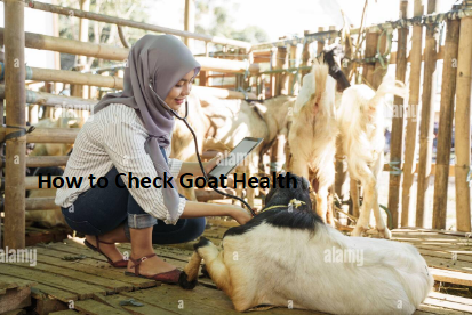
Learning how to check goat health requires a keen eye for subtle behavioral changes and consistent physical monitoring. Because goats are prey animals, they often mask signs of illness until a condition has become quite advanced. By performing routine assessments, you can catch health issues early when they are most manageable.
The Five-Point Check Method
The most reliable way to monitor your animals is by using the FAMACHA system and the “Five-Point Check” protocol. This method focuses on five specific areas of the body where parasites and systemic illnesses leave the most visible traces. You should perform this check at least once every two weeks during grazing season.
The Five-Point Check specifically targets the eyes, mouth, back, tail, and udder. By inspecting these areas for anemia, bottle jaw, body condition, diarrhea, and mastitis, you cover the most common medical threats. This systematic approach ensures you don’t miss hidden symptoms like internal parasite loads that can devastate a herd.
Assessing Anemia via Eye Membranes
The FAMACHA system is your primary tool for detecting barber pole worm infections. You pull down the lower eyelid to inspect the color of the mucous membranes. A healthy goat will have deep pink or red membranes, while a pale or white color indicates severe anemia.
If the membrane is light pink or white, the goat likely needs deworming immediately. Never base your decision to deworm on the animal’s weight alone, as it leads to parasite resistance. Compare the eye color against a standard FAMACHA card for an accurate diagnostic reading.
Monitoring Body Condition Scores
Body condition scoring (BCS) is a more accurate indicator of long-term health than a simple scale weight. You use your hands to feel the amount of fat cover over the ribs, the spine, and the loin area. This process tells you if the goat is receiving adequate nutrition or if an underlying disease is preventing weight gain.
A score of 1 represents an emaciated animal, while a 5 represents an obese one. Most healthy, productive goats should sit comfortably between a 2.5 and a 3.5. If you notice a sudden drop in score despite consistent feeding, investigate for dental issues or chronic digestive health problems.
Evaluating Digestive and Respiratory Health
A healthy goat should have a steady, rhythmic breathing pattern without any audible wheezing or coughing. Listen to the chest area while the goat is calm to detect any rattling sounds that could suggest pneumonia. If the animal is panting despite cool weather, it may be experiencing significant pain or stress.
Check the tail and hindquarters for signs of diarrhea or “scours.” A soiled tail is often the first sign of a dietary imbalance or a coccidiosis outbreak. Keep a close eye on the manure consistency, which should ideally be firm, dark pellets in an adult, healthy goat.
The Role of Temperature and Pulse
Knowing how to check goat health involves understanding what constitutes a “normal” baseline for your specific breed. A standard adult goat’s temperature should fall between 101.5°F and 103.5°F. Anything significantly higher indicates a fever, while a low temperature often points to severe shock or hypothermia.
You can check the pulse by feeling the femoral artery on the inside of the hind leg. A resting heart rate typically ranges from 70 to 80 beats per minute. If you are unsure about these vitals, consult the eXtension animal health resources for breed-specific ranges.
Common Indicators of Illness
Goats exhibit specific behavioral cues when they are feeling unwell that are often easy to overlook. A sick goat will typically isolate itself from the rest of the herd to avoid being bothered. You might also notice a loss of interest in food or water, which is a major red flag.
Look for a “hunched” posture, which suggests abdominal pain or discomfort. Additionally, grinding teeth is a classic sign of significant pain in small ruminants. If you see these signs, record them immediately and monitor the animal for at least 24 hours.
Data Tracking for Herd Management
Maintaining a health log is essential for identifying trends in your herd’s well-being. By writing down weights, FAMACHA scores, and treatment dates, you can spot animals that are chronically prone to illness. This data allows you to make informed culling decisions and improve your overall breeding program.
| Health Metric | Normal Range | Warning Sign |
| :— | :— | :— |
| Temperature | 101.5°F – 103.5°F | > 104°F |
| Heart Rate | 70 – 80 BPM | > 100 BPM |
| Respiration | 15 – 30 BPM | > 40 BPM |
| FAMACHA | Pink/Red | Pale/White |
| Rumen Sounds | 1 – 2 per minute | Absent/Silent |
Preventive Care and Vaccination
Checking health is only half the battle; you must also maintain a strong prevention schedule. Keep your goats up to date on CD&T vaccinations to prevent enterotoxemia and tetanus. These diseases are often fatal and move very quickly, leaving little time for treatment.
* Keep a clean, dry bedding area to prevent hoof rot and respiratory issues.
* Provide free-choice loose minerals specifically formulated for goats.
* Rotate pastures regularly to break the life cycle of common internal parasites.
* Ensure constant access to fresh, clean water to prevent urinary calculi.
* Trim hooves every 6 to 8 weeks to maintain proper alignment and comfort.
Addressing Common Health Questions
How can I tell if my goat has a fever?
A fever is confirmed by using a digital rectal thermometer. If the reading exceeds 103.5°F, the goat is likely fighting an infection or experiencing heat stress. Always lubricate the thermometer before insertion and wait for the beep to ensure an accurate reading.
What does a healthy goat’s coat look like?
A healthy coat should be shiny, smooth, and free of bald patches or excessive dandruff. If the hair is coarse, standing on end, or matted, it often indicates a nutritional deficiency or an external parasite infestation like lice. You should be able to run your hand over the coat without feeling excessive oiliness or dry, flaky skin.
Why is my goat grinding its teeth?
Teeth grinding, or bruxism, is a universal sign of distress or pain in goats. It often accompanies severe digestive upset, such as bloat or urinary blockage. If you hear this sound, check the goat’s abdomen for distension and monitor its urination habits immediately.
How do I test for specific diseases?
While you can perform physical checks at home, definitive diagnosis for diseases like Caprine Arthritis Encephalitis (CAE) or Caseous Lymphadenitis (CL) requires blood or abscess fluid testing. Collect samples according to your veterinarian’s instructions and send them to a certified diagnostic laboratory. Never rely on visual inspection alone for chronic, contagious diseases that can linger in the herd.
What is the best way to handle a sick goat?
Always prioritize your safety by keeping the sick animal in a separate, quiet isolation pen. This reduces stress for the goat and prevents the potential spread of contagious illnesses to the rest of the herd. Provide easy access to high-quality hay and electrolytes while you observe them for further symptoms or improvement.
Maintaining Long-Term Herd Health
Developing a consistent routine for checking goat health ensures that you remain proactive rather than reactive. By dedicating time each week to observe your animals, you become familiar with their individual habits and quirks. This familiarity allows you to detect even the slightest deviation in behavior before a minor issue becomes a crisis.
Remember that health is a product of environment, nutrition, and genetics working in tandem. When you provide a clean, stress-free space and high-quality feed, you significantly reduce the likelihood of severe illness. Always keep a list of emergency veterinary contacts handy for situations that fall outside your experience level.
Mastering the art of observation is the most valuable tool in any goat owner’s kit. Start your health checks today to ensure your herd remains strong and productive for years to come.
