

The Jamunapari goat breed remains one of the most iconic and highly valued livestock assets across the Indian subcontinent. Originating from the Etawah district in Uttar Pradesh, these animals are celebrated for their impressive stature, dual-purpose utility, and distinctive physical features. Understanding the specific performance metrics and care requirements of this breed is essential for any serious farmer or agricultural enthusiast looking to invest in high-quality dairy caprines.
By examining their unique biological traits and economic potential, you can determine if this heritage breed aligns with your specific production goals and local environmental conditions.
Key Performance Metrics and Productivity
The Jamunapari goat breed is primarily known for its exceptional milk production and large body size. A healthy, well-managed adult doe typically produces between 2.0 and 2.5 liters of milk per day under optimal grazing and supplementation conditions.
While some high-performing individuals can exceed these figures, consistency in diet remains the primary driver of lactation volume. The lactation period generally spans 180 to 200 days, providing a steady supply of milk for both household consumption and commercial sale.
Regarding reproductive efficiency, this breed is categorized as a seasonal breeder with a moderate twinning rate. While single births are common, a well-nourished doe will frequently deliver twins, significantly increasing the profitability of a herd over time. The birth weight of a healthy kid is typically between 3.0 and 3.5 kilograms, which contributes to their rapid growth rate during the weaning phase.
Farmers often prioritize these goats for their ability to thrive on minimal input while maintaining a high body mass, making them a preferred choice for meat production as well.
Physical Characteristics and Identification
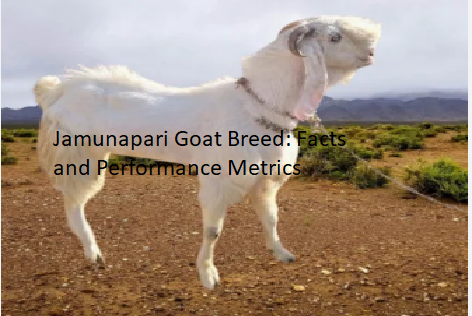
Identifying a genuine Jamunapari goat breed specimen requires looking for specific, standardized physical traits that distinguish them from other Indian dairy breeds. Their most striking feature is the Roman nose, often referred to as a “parrot mouth” appearance, which gives the face a convex profile. This unique facial structure is a hallmark of the breed and is usually accompanied by long, pendulous, and folded ears that can reach lengths of 25 to 30 centimeters.
The coat of a mature animal is typically white with patches of tan or light brown on the neck and ears. They possess a long, thin, and muscular build, with adult males often reaching a height of 90 to 100 centimeters at the withers. Their legs are long and slender, enabling them to travel great distances during grazing sessions in hilly or arid terrains.
The tail is often thin and short, and the presence of a tuft of long, silky hair on the hindquarters is a common observation in purebred lines.
Environmental Adaptability and Grazing Habits
The Jamunapari goat breed exhibits remarkable resilience when exposed to various climatic conditions, though they perform best in the arid and semi-arid regions of North India. Their long legs and browsing-oriented physiology allow them to reach foliage that other breeds cannot access.
This makes them highly efficient in forest areas or scrublands where low-level grazing is sparse. They are known for their preference for browsing on leaves and twigs rather than grazing on short grasses, which reduces internal parasite risks associated with ground-level foraging.
Heat tolerance is another significant advantage of this breed, allowing them to remain active during peak summer months when other dairy breeds might show signs of stress. However, they require clean, dry housing to prevent hoof rot and respiratory issues during the monsoon season. Providing a raised platform or slatted floor in the shed is a common management practice that helps maintain hygiene.
By keeping the animals off the damp ground, farmers effectively mitigate the risk of common bacterial infections that thrive in humid, tropical environments.
Economic Value and Market Positioning
Investing in the Jamunapari goat breed is often viewed as a long-term capital asset due to the premium prices these animals command in the market. Because of their dual-purpose nature, farmers can generate revenue from both milk sales and the sale of male kids for meat production. The following table illustrates the general performance expectations for a standard commercial herd.
| Metric | Average Range |
|---|---|
| Daily Milk Yield | 2.0 – 2.5 Liters |
| Lactation Duration | 180 – 200 Days |
| Adult Male Weight | 65 – 90 Kilograms |
| Adult Female Weight | 45 – 60 Kilograms |
| Kid Birth Weight | 3.0 – 3.5 Kilograms |
The market value of these goats is heavily influenced by their pedigree and physical appearance, with “show-quality” animals fetching significantly higher prices than those sold for commercial meat production. Many breeders focus on selecting for the most prominent Roman nose features, as these traits are highly sought after by hobbyists and serious goat enthusiasts. When evaluating a potential purchase, always inspect the dental health and udder confirmation of the doe, as these are the primary indicators of a productive lifespan.
You can find more technical information on livestock development through the Food and Agriculture Organization of the United Nations.
Essential Management Practices for Success
Successful management of the Jamunapari goat breed relies on a balanced approach to nutrition, health monitoring, and infrastructure. Unlike smaller, more intensive breeds, these goats require ample space to roam and exercise, which helps maintain their muscle mass and overall vigor. A typical daily ration should consist of a mix of green fodder, dry hay, and a small portion of concentrated feed to ensure that the mineral requirements are met during the peak of lactation.
Health monitoring is critical, especially regarding the prevention of common caprine diseases like Peste des Petits Ruminants (PPR) and enterotoxaemia. Maintaining a strict vaccination schedule is the most cost-effective way to protect your investment. Below are the core components required for a sustainable farming operation:
- Vaccination Schedule: Regular biannual boosters for PPR and Foot-and-Mouth Disease.
- Deworming: Quarterly administration of anthelmintics based on fecal egg count results.
- Housing: Well-ventilated, elevated sheds that prevent moisture accumulation.
- Water Access: Constant availability of clean, fresh drinking water to support high milk volume.
- Mineral Supplementation: Use of salt licks or mineral blocks to support bone density and metabolic health.
Comparison with Other Dairy Breeds
When considering the Jamunapari goat breed, it is helpful to compare it against other popular regional breeds like the Beetal or the Barbari. While the Beetal is known for its high milk yield, it is often smaller in stature than the Jamunapari. The Barbari, on the other hand, is much smaller and better suited for urban, intensive indoor farming where space is limited. The Jamunapari stands out because it strikes a balance between size and production, making it a versatile choice for farmers who have access to grazing land.
Another point of difference is temperament; the Jamunapari is generally considered a docile and manageable animal, which is an important factor for small-scale farmers who handle their livestock daily. They are less prone to jumping or escaping enclosures compared to more active, mountain-based breeds.
This makes them easier to manage in fenced pastures and reduces the labor required for constant supervision. Their calm demeanor also contributes to higher milk yields, as stress levels are kept at a minimum during milking routines.
Frequently Asked Questions
What is the primary usage of the Jamunapari goat?
The breed is primarily kept for dual purposes: high-quality milk production and meat production, as their large body size results in a favorable carcass yield.
How many times a year can a Jamunapari goat breed?
While the gestation period is approximately 150 days, most farmers manage their herds to achieve a kidding interval of about 12 to 14 months to ensure the health and recovery of the doe.
Are these goats difficult to keep in small areas?
They are not ideal for strictly confined, indoor-only systems because they are a large, active breed that requires significant room to browse and exercise to maintain their physical health.
What is the most common health issue for this breed?
Like most dairy goats, they are susceptible to internal parasites if allowed to graze on contaminated ground, which is why elevated housing and pasture rotation are standard preventative measures.
Can this breed survive in cold climates?
They are natively adapted to the hot, dry plains of India and may require extra shelter and thermal protection if moved to significantly colder or higher-altitude regions.
Final Considerations for Breeders
Choosing the Jamunapari goat breed represents a commitment to a heritage line that has been refined by generations of pastoralists. Their combination of physical beauty and productive utility makes them a cornerstone of the dairy goat industry in their native regions. Whether you are aiming to start a small herd for personal use or looking to scale into a commercial breeding operation, the key lies in understanding their specific dietary and environmental needs. By prioritizing proper nutrition and consistent health management, you can ensure that your animals remain productive and healthy for many years.
Focusing on quality genetics when selecting your foundation stock will pay dividends in the long run, as the market for high-pedigree animals remains strong. We encourage you to visit local breeders and observe the animals in their natural environment to get a better sense of their temperament and hardiness.
As you continue your journey in goat husbandry, remember that the most successful farmers are those who observe their herd closely and adapt their practices to the unique needs of the Jamunapari goat breed. Reach out to local agricultural extension offices or established breeders to begin building your own productive herd today.
