

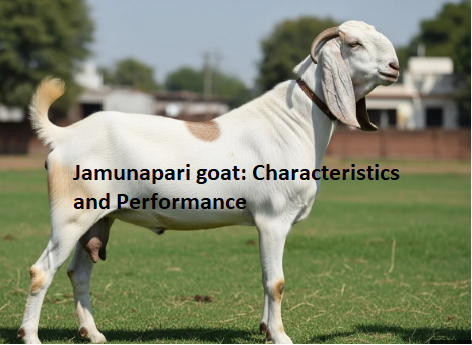
The Jamunapari goat stands as one of the most iconic dairy breeds originating from the Etawah district of Uttar Pradesh, India. Known for its imposing stature and impressive milk production, this breed remains a cornerstone of rural livestock development in tropical regions.
Understanding the specific physical and physiological traits of the Jamunapari goat allows farmers to manage their herds with greater precision and efficiency. Whether you are interested in commercial dairy farming or high-quality meat production, recognizing the unique benefits of this animal is the first step toward successful agricultural management.
The Jamunapari goat is primarily famous for its exceptional dual-purpose capacity, serving as both a high-yielding dairy animal and a significant source of quality meat. It is widely recognized as the “queen of milk” among Indian goat breeds due to its high daily milk yield, which typically ranges from 2.0 to 2.5 kilograms per day under optimal feeding conditions.
Adult males often reach a body weight of 75 to 90 kilograms, while adult females generally weigh between 45 and 60 kilograms. These animals are physically distinguished by their long, drooping ears, a pronounced Roman nose, and a long, flat tail.
Physical Characteristics and Breed Standards
The most striking feature of the Jamunapari goat is its convex nose profile, often referred to as a “parrot mouth” or Roman nose. This distinct cranial shape is a hallmark of the breed and serves as a primary visual identifier for breeders and livestock judges.
Their ears are exceptionally long and pendulous, frequently measuring between 25 and 30 centimeters in length. These ears often hang downward, adding to the majestic appearance of the animal.
Coat color in this breed is remarkably varied, though the most common and sought-after pattern is white with patches of tan or light brown on the neck and ears. Their coat is typically short and dense, which provides moderate protection against heat while allowing for efficient thermoregulation in tropical climates.
The legs are notably long, giving the animal a tall, elegant stature that is immediately noticeable in a mixed herd. A well-bred individual should exhibit a sturdy frame with a deep chest and a well-developed barrel, indicating strong overall health and digestive capacity.
Milk Production Potential
Dairy efficiency is the primary reason many farmers choose to invest in the Jamunapari goat. On average, a lactating doe can produce between 200 to 250 kilograms of milk over a standard lactation period of roughly 180 to 200 days.
While these figures depend heavily on nutrition and management, the butterfat content of their milk is consistently high, often ranging from 3.5% to 5.0%. This makes their milk highly desirable for both direct consumption and the production of traditional dairy products like paneer or yogurt.
To maximize milk output, farmers must provide a balanced diet that includes high-quality green fodder and concentrated feed. During the peak of lactation, the nutritional requirements of the doe increase significantly to support both milk synthesis and body maintenance.
Providing access to clean, fresh water is non-negotiable, as milk is composed primarily of water, and dehydration will lead to an immediate drop in production. Many successful breeders supplement grazing with leguminous fodder like alfalfa or berseem to ensure the goats receive adequate protein levels throughout the year.
Reproductive Performance and Breeding
The reproductive cycle of the Jamunapari goat is characterized by its adaptability, though it is generally not as prolific as some smaller, meat-focused breeds. Does typically reach sexual maturity between 10 and 12 months of age, and the gestation period is approximately 150 days.
While single births are the most common outcome, twins occur with a frequency of roughly 30% to 40% when the doe is in peak physical condition. Proper nutrition during the final weeks of pregnancy is essential to ensure the health of the kids and to stimulate robust milk production post-partum.
Selective breeding programs have been established in various research institutes to maintain the purity of the breed and improve specific traits like growth rate and udder conformation. Breeders often prioritize animals with strong skeletal structures and clear signs of breed-specific features, such as the Roman nose and long, drooping ears.
Keeping detailed records of birth weights and growth milestones is standard practice for professional operations. This data-driven approach helps in identifying high-performing bloodlines and culling individuals that do not meet the desired standards for the herd.
Environmental Adaptation and Management
The Jamunapari goat possesses a high degree of hardiness, allowing it to thrive in varied climates ranging from the hot, arid plains of India to more humid, tropical environments. Their long legs allow them to browse effectively on taller shrubs and trees, a behavior that distinguishes them from smaller, ground-grazing breeds.
This browsing habit helps reduce the incidence of internal parasites, as the goats spend less time grazing near the ground where larvae are most prevalent. Providing a well-ventilated shelter is crucial, as they are susceptible to respiratory issues if kept in damp or overcrowded conditions.
Disease management is a critical component of maintaining a healthy herd. Vaccination schedules should be strictly followed, particularly for common illnesses such as Peste des Petits Ruminants (PPR) and enterotoxemia.
Regular deworming, based on fecal analysis, ensures that the animals maintain their weight and milk production levels. Maintaining clean bedding and preventing the buildup of moisture in the stalls will significantly reduce the risk of foot rot and other common skin conditions.
Economic Viability and Market Value
Investing in the Jamunapari goat can be a lucrative venture for those who understand the specific market demands for high-quality dairy and meat. Because of their reputation as a superior breed, purebred animals often command a premium price compared to local or non-descript goats.
The demand for these animals is consistent among smallholders and large-scale commercial farms alike, as they offer a reliable return on investment. Breeders can diversify their income streams by selling milk, breeding stock, and surplus males for meat production.
The following table outlines the approximate performance metrics expected from a well-managed Jamunapari herd.
| Metric | Average Value |
|---|---|
| Adult Male Weight | 75–90 kg |
| Adult Female Weight | 45–60 kg |
| Daily Milk Yield | 2.0–2.5 kg |
| Lactation Period | 180–200 days |
| Age at First Kidding | 15–18 months |
Key Advantages and Potential Challenges
Choosing to work with the Jamunapari breed comes with a clear set of benefits and a few specific challenges that every farmer should anticipate. Understanding these factors allows for better planning and more effective resource allocation.
- High milk production capacity compared to many other indigenous breeds.
- Excellent dual-purpose utility, providing both high-quality milk and meat.
- Superior browsing behavior, which helps in managing parasite loads.
- High market demand for purebred animals and breeding stock.
- Requirement for high-quality feed to reach full genetic potential.
- Susceptibility to respiratory distress in poorly ventilated or damp environments.
One of the primary challenges is the relatively slow growth rate of kids compared to specialized meat breeds. However, the superior quality of the meat and the consistent milk income often offset this slower pace.
Ensuring a consistent supply of high-quality forage throughout the year is the most significant operational hurdle for farmers in regions with distinct dry seasons. Implementing a rotational grazing system or a cut-and-carry fodder system can help mitigate the impact of seasonal feed shortages on the overall herd health.
Frequently Asked Questions
Is the Jamunapari goat suitable for beginners?
Yes, this breed is generally docile and easy to manage, making it a good choice for beginners. However, new owners should invest time in learning about their specific nutritional and housing needs to ensure success.
How many kids does a Jamunapari goat typically have?
While single births are the norm for this breed, twins occur in about 30% to 40% of cases. Proper nutrition during the breeding season can sometimes influence the likelihood of a multiple birth.
What is the primary diet for a Jamunapari goat?
They thrive on a mix of grazing and browsing, supplemented with concentrated feed and high-quality hay. For more technical information on livestock management, you can consult the Food and Agriculture Organization of the United Nations for global best practices.
At what age can a Jamunapari goat be bred?
Does typically reach sexual maturity between 10 and 12 months, but it is often recommended to wait until they are 15 to 18 months old for their first kidding to ensure full physical maturity.
How often should I provide medical checkups for my herd?
Routine veterinary visits should occur at least twice a year for vaccinations and general health assessments. Daily observation by the farmer is the most effective way to catch early signs of illness.
Conclusion
Integrating the Jamunapari goat into your agricultural operation requires a commitment to quality management and a focus on breed-specific care. By prioritizing proper nutrition, consistent health monitoring, and selective breeding, you can harness the full potential of this impressive animal. Their unique combination of high milk output and strong physical resilience makes them a valuable asset for any serious livestock enterprise.
Start by sourcing your initial stock from reputable breeders to ensure genetic purity and health. As you build your herd, maintain meticulous records of your animals to guide your future breeding decisions and improve your overall output.
With the right approach, the Jamunapari goat provides a sustainable and profitable path forward for your farming business. Engage with local agricultural extensions to learn more about localized management techniques that can further improve your results.
