

The Malabari goat serves as a cornerstone of small-scale livestock farming in the humid tropical climates of Southern India. Renowned for its adaptability and consistent milk production, this breed supports thousands of rural households by providing both nutritional security and a reliable source of supplemental income.
Understanding the specific physiological traits and management requirements of the Malabari goat is essential for anyone looking to optimize their herd’s health and economic output. This article explores the breed’s distinct characteristics, market value, and the practical husbandry standards required to maintain a productive and healthy population in diverse agricultural environments.
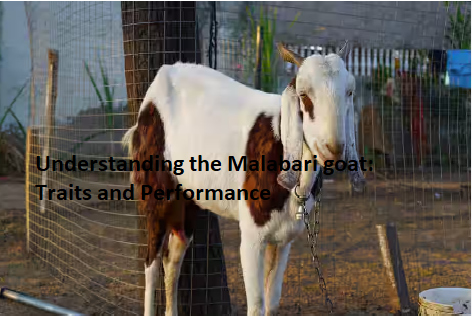
The defining characteristics of a Malabari goat are its medium body size and its exceptional ability to thrive in high-rainfall regions. Adult males typically weigh between 30 to 40 kilograms, while females generally range from 25 to 30 kilograms. Their coat color varies significantly, ranging from pure white to black, brown, or a mixture of these shades, often featuring a mottled pattern.
Unlike some specialized meat breeds, these goats possess a compact, well-proportioned frame that signals their dual-purpose utility. They are known for their alert nature and high reproductive efficiency, which makes them a favorite among small-holder farmers who prioritize consistency over rapid, large-scale industrial growth.
Economic viability and market pricing
When considering the price of a Malabari goat in Kerala, you will find it fluctuates based on age, weight, and pedigree. A healthy, weaned kid typically fetches between ₹4,000 and ₹6,000, whereas an adult breeding male can command prices ranging from ₹12,000 to ₹20,000. These figures are highly localized and often depend on the specific demand during regional festivals or holiday seasons.
Farmers often sell their stock directly to local butchers or to other breeders looking to diversify their bloodlines. If you are purchasing, always inspect the animal’s teeth and hoof condition to ensure you are paying for long-term health rather than just immediate size.
Biological and behavioral traits
The breed is highly valued for its resilience against common tropical diseases that often plague more sensitive imported breeds. Their short, coarse hair allows them to handle the high humidity of the Malabar coast without suffering from excessive overheating or skin infections. They are also known for their browsing behavior, as they prefer to feed on shrubs and tree leaves rather than just grazing on grass.
This dietary flexibility makes them cheaper to maintain in hilly or forested terrains where traditional pasture is scarce. You will notice that their hardy nature reduces the need for expensive veterinary interventions, provided they have access to clean water and adequate shelter.
Milk production potential
A primary reason farmers choose the Malabari goat is its respectable milk yield, which often exceeds that of other non-descript local breeds. On average, a well-fed doe produces between 0.5 to 1.5 liters of milk per day over a lactation period that lasts for about 150 to 180 days. While this volume may seem modest compared to high-output dairy breeds like the Saanen or Alpine, it is perfectly suited for household consumption and small-scale local sales.
The milk is known for its high fat content and easy digestibility, which has created a niche demand among health-conscious consumers. Improving the nutritional profile of their feed, specifically by adding protein-rich legumes, can often push the yield toward the higher end of this range.
Nutritional requirements and feeding
Feeding a Malabari goat effectively requires a blend of free-range browsing and supplemental stall feeding. Because these animals are natural browsers, they thrive when provided with a variety of green fodder, including leaves from jackfruit, subabul, and various local shrubs. During the monsoon season, when outdoor grazing is limited, you must ensure that they have access to high-quality dry hay to prevent digestive issues.
A mineral lick should always be available in the pen to ensure they receive essential trace elements that might be missing from their daily forage. Providing a balanced diet is the most effective way to prevent common metabolic disorders and ensure consistent growth rates.
Housing and shelter management
Proper housing is critical for preventing pneumonia and foot rot, especially in the high-rainfall zones where these goats are most common. A raised-floor shed made of bamboo or wood is the industry standard, as it allows waste to fall through and keeps the animals dry. You should aim for a floor space of roughly 1.0 to 1.5 square meters per adult goat to prevent overcrowding and stress.
Ventilation is equally important; while the shed must be dry, it should also allow for constant airflow to prevent the buildup of ammonia from urine. Regular cleaning of the floor and surrounding drainage areas will significantly reduce the risk of internal parasites, which remain the biggest threat to herd health.
Comparison of goat breeds
To understand where the Malabari goat stands in the broader market, it is helpful to look at how it compares to other popular breeds found in South Asia. While some breeds are strictly raised for meat, the Malabari occupies a middle ground that makes it versatile for small farms.
| Breed | Primary Use | Avg. Milk/Day | Avg. Adult Weight |
|---|---|---|---|
| Malabari | Dual-purpose | 0.5–1.5 liters | 25–40 kg |
| Jamnapari | Dairy/Meat | 2.0–3.0 liters | 45–60 kg |
| Tellicherry | Meat | 0.5–1.0 liters | 30–45 kg |
| Barbari | Meat | 0.7–1.0 liters | 25–35 kg |
Health monitoring and disease prevention
Routine health management is the backbone of a profitable goat farm. You should establish a vaccination schedule in coordination with local animal husbandry departments to protect against Peste des Petits Ruminants (PPR) and Enterotoxaemia. De-worming should be performed at least twice a year, though this may need to be increased during the peak of the monsoon season when parasite loads in the soil are highest.
Observation is your most powerful tool; a healthy goat should have a bright eye, a shiny coat, and an active interest in its surroundings. If you notice an animal isolating itself or refusing to eat, you must isolate it immediately to prevent the spread of potential infections to the rest of the herd.
Key management milestones
For those looking to scale their operations, tracking specific milestones is essential for long-term planning. Managing the breeding cycle effectively ensures that you have a steady supply of milk and a predictable number of kids each year.
- Weaning: Usually occurs between 3 to 4 months of age to ensure the kid is strong enough for independent grazing.
- First Breeding: Females should ideally reach at least 70% of their adult body weight before their first conception.
- Gestation Period: Lasts approximately 145 to 150 days, requiring increased protein intake during the final month.
- Hoof Trimming: Should be performed every 6 months to prevent lameness and bacterial infections.
- Vaccination: Essential to perform at set intervals as recommended by the Department of Animal Husbandry and Dairying.
Addressing common questions
What are the primary physical characteristics of a Malabari goat?
They are medium-sized animals with a diverse range of coat colors and a frame designed for agility. Their ears are typically medium-sized and semi-pendulous, and their short hair makes them ideal for humid climates.
Is the Malabari goat better for milk or meat?
This breed is considered dual-purpose, meaning it is highly effective for both. While they do not produce the massive quantities of milk seen in specialized dairy breeds, their milk is high in quality, and their meat is lean and highly regarded in local markets.
How much space does a single goat need?
An adult goat requires about 1.0 to 1.5 square meters of floor space in a sheltered environment. Providing this amount of space reduces stress, which in turn leads to better milk production and faster weight gain.
Why is this breed popular in Kerala?
The breed is genetically adapted to the specific climate of the Malabar coast, characterized by heavy rainfall and high humidity. Other breeds often struggle with foot rot or respiratory issues in these conditions, whereas the Malabari thrives.
Do these goats require expensive feed?
No, they are highly efficient browsers that prefer to eat leaves, shrubs, and weeds. Providing them with access to natural forage is often sufficient, supplemented by small amounts of concentrate during pregnancy or heavy lactation.
Conclusion
The Malabari goat remains an indispensable asset for rural farmers seeking a reliable and hardy livestock breed. By focusing on proper shelter, regular health screenings, and a diet that mirrors their natural browsing habits, keepers can ensure the long-term productivity of their animals. Whether you are managing a small home herd or looking to expand your agricultural footprint, this breed offers a rare combination of resilience and utility.
As you move forward, keep a detailed record of your breeding and medical history to refine your management techniques over time. Integrating these animals into your farm is a practical step toward sustainable food security and local economic growth.
