

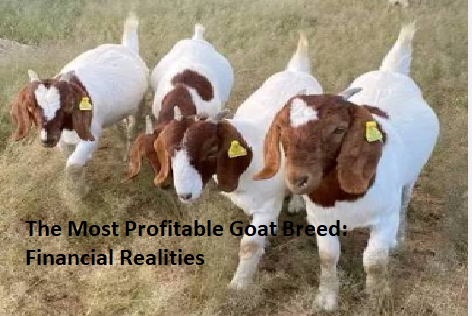
Identifying the most profitable goat breed depends entirely on your local market, available infrastructure, and whether you plan to focus on meat, milk, or fiber production. While many hobbyists choose goats based on temperament or aesthetics, commercial success requires a cold, hard look at input costs versus yield potential. Choosing the right animal is the single most significant financial decision a small-scale livestock producer will make in their first year of operation.
If you are looking for the most profitable goat breed for pure meat production, the Kiko is widely considered the top contender due to its parasite resistance and rapid weight gain. For dairy operations, the Alpine and Saanen breeds consistently outperform others in terms of milk volume and butterfat content. There is no single “magic” breed that fits every climate, but by matching your breed selection to your specific sales model, you can significantly increase your profit margins.
The Kiko Advantage in Meat Production
The Kiko breed originated in New Zealand, where it was selectively bred for hardiness under harsh, rugged conditions. Unlike many commercial breeds that require expensive medical interventions to survive, Kikos are famously resilient against internal parasites. This trait alone can save a producer hundreds of dollars in deworming supplies and veterinary bills over the animal’s lifespan.
Because they are “low-input” animals, they thrive on forage that would leave other breeds struggling to maintain body condition. You spend less on supplemental grain and hay during the grazing season, which directly improves your bottom line. Their growth rates are impressive, with offspring often reaching market weight faster than traditional breeds like the Boer.
The market demand for Kiko-cross goats is rising because butchers appreciate their high dressing percentage. When a goat reaches market weight with less feed consumption, the profit per pound increases substantially. If your land is less than optimal or you want to minimize daily labor, the Kiko is a superior financial asset.
Dairy Profitability with Alpine and Saanen Goats
Dairy goats require a higher level of management than meat goats, but the potential for value-added products is much higher. Alpine and Saanen goats are the heavy hitters in this category, often producing over a gallon of milk per day during their peak lactation cycle. If you are selling raw milk, soap, or artisanal cheeses, these breeds provide the necessary volume to make the labor worthwhile.
Saanens are often referred to as the “Holsteins of the goat world” because of their sheer production capacity. They are generally calm and easier to handle in a milking parlor, which reduces the time spent on daily chores. Efficiency in the milking shed is a form of hidden profit because it allows you to scale your herd size without needing to hire additional help.
Alpines are equally prized for their hardiness and consistent production across varying climates. They are excellent foragers and adapt well to different management styles, whether you are running a pasture-based system or a dry-lot operation. Both breeds have a long history of performance, meaning you can easily find high-quality genetics from established breeders to start your herd.
Comparing Production Metrics Across Breeds
To understand the financial implications of your choice, it is helpful to look at how different breeds compare across key performance indicators. The following table illustrates the general differences between the primary breeds used in commercial operations today.
| Breed | Primary Focus | Key Benefit | Management Intensity |
|---|---|---|---|
| Kiko | Meat | Parasite Resistance | Low |
| Boer | Meat | Rapid Growth Rate | High |
| Saanen | Dairy | High Volume Milk | High |
| Alpine | Dairy | Adaptability | Medium |
| Angora | Fiber | Mohair Revenue | High |
The Economics of Boer Goats
Boer goats are the industry standard for meat production in many parts of the world, particularly in the United States. They are famous for their muscle mass and meat quality, which often commands a premium price at auction. However, they are also more susceptible to parasites and foot rot than the Kiko.
The cost of keeping a Boer herd is higher because you must invest more in parasite management and high-quality supplemental feed. If you live in an area with high rainfall or humid conditions, the medical costs for a purebred Boer herd can quickly erode your profit margins. Many successful producers choose to cross a Boer buck with Kiko or Spanish does to get the best of both worlds.
This hybrid vigor allows you to sell a fast-growing, muscular kid that is still hardy enough to survive on pasture. You get the weight gain of the Boer combined with the survivability of the hardier breed. This strategy is often the most profitable approach for beginners who want to balance high meat yields with lower risks of animal loss.
Diversifying Income with Fiber Breeds
While meat and milk are the most common income streams, fiber production can be a lucrative niche for those with the right market access. Angora goats produce mohair, a luxury textile that is highly sought after by weavers and designers. If you have the time to process the fiber or the connections to sell it directly to mills, the profit potential is significant.
Unlike meat goats, where you sell the animal, fiber goats provide a recurring revenue stream through annual or semi-annual shearing. You are essentially harvesting a crop from the animal without losing your primary asset. This model works well for small-scale farms that want to minimize the emotional toll of selling livestock for slaughter.
However, fiber goats require specific care, including protection from the elements to keep the coat clean and free of debris. You will also need to invest in shearing equipment or pay a professional shearer, which is an annual overhead expense. Understanding the USDA market news for livestock can help you decide if fiber prices currently justify the investment in this breed.
Critical Operational Costs
Profitability is not just about the breed; it is about how you manage the overhead associated with your herd. Feed is usually the largest expense, accounting for up to 60% of total operating costs on many farms. If your goats rely heavily on store-bought grain rather than rotational grazing, your margins will be razor-thin.
* Vaccinations: Annual CD&T shots are mandatory to prevent common, fatal diseases.
* Parasite control: Fecal egg counts are necessary to avoid over-treating and building resistance.
* Fencing: High-tensile, woven-wire fencing is an expensive initial investment but prevents costly escapes.
* Shelter: Simple, dry, and draft-free housing is sufficient; you do not need expensive barns.
* Marketing: Selling directly to consumers yields higher prices than selling at the local sale barn.
You should track every dollar spent on these categories to determine your break-even point. Many producers fail because they focus on the price of the goat without calculating the ongoing cost of keeping it alive and productive. Remember that a “cheap” goat with expensive medical needs is far less profitable than a “premium” goat that stays healthy on its own.
Maximizing Profit Through Direct Sales
The most profitable goat breed in the world won’t save you if you are forced to sell your stock at rock-bottom prices at a local auction. Auction houses typically take a commission and the market is volatile, meaning you take whatever price is offered on that specific day. Direct sales to consumers, restaurants, or specialty butchers allow you to set your own pricing based on the quality of your product.
If you are raising meat goats, marketing them as “pasture-raised” or “naturally managed” can allow you to charge a significant premium. Consumers are increasingly interested in where their food comes from and are willing to pay more for animals raised without hormones or excessive antibiotics. This branding strategy requires a little extra work in terms of social media or local networking, but the financial return is consistently higher.
For dairy farmers, the value-add is even more pronounced. Selling raw milk (where legal) or processing it into cheese, yogurt, or soap turns a commodity into a luxury good. You are moving up the value chain, which is where the real money is made in agriculture.
Frequently Asked Questions
What is the most profitable goat breed for a small farm?
The Kiko is often the most profitable for small farms due to its hardiness and low management requirements. By reducing your veterinary and feed bills, you keep a higher percentage of the revenue from every animal sold.
How do I decide between dairy and meat goats?
Choose based on your daily time availability and local demand. Dairy goats require twice-daily milking, which is a massive commitment, while meat goats are more hands-off but require more land and better fencing to manage the herd.
Are Boer goats really the most profitable choice?
Boers are profitable if you have the market demand for heavy, fast-growing meat animals and the climate to support them. However, their high maintenance costs can make them less profitable than hardier breeds in humid or parasite-heavy environments.
What is the biggest hidden cost in goat farming?
Infrastructure and health management are the biggest hidden costs. Fencing is expensive to install, and failure to manage parasites can lead to the rapid loss of your entire investment, so budget for these items before buying your first goat.
Is it possible to make a full-time living from goats?
It is possible, but it usually requires a diversified approach. Most full-time operations combine meat or milk sales with value-added products like cheese, fiber, or even farm tours and workshops to create multiple revenue streams.
Summary of Financial Success
Finding the most profitable goat breed is an exercise in balancing your land’s capabilities with your personal management style. If you want a low-maintenance meat operation, focus on the Kiko or Kiko-crosses to minimize medical expenses. If you are prepared for the daily commitment of milking, the Saanen and Alpine breeds offer the volume necessary to build a profitable dairy brand.
Ultimately, your success hinges on your ability to control feed costs and market your product directly to the end consumer. Avoid the trap of buying “fancy” animals that require expensive intervention just to thrive.
Focus on building a healthy, productive herd, track your expenses religiously, and always aim to sell your product at a premium. With careful planning and a commitment to quality, you can build a sustainable and lucrative goat operation.
