

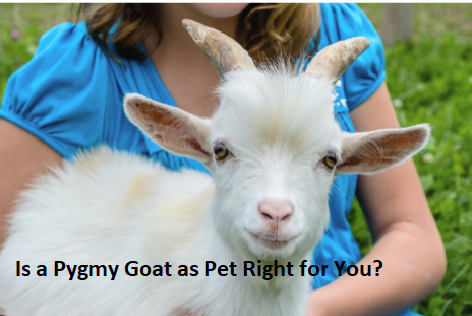
Bringing a pygmy goat as pet into your home requires more than just a love for cute, miniature animals. These social creatures demand specific living conditions, consistent social interaction, and a long-term commitment to their health and well-being.
Understanding their behavioral patterns and nutritional needs is the first step toward a successful relationship. This information will help you evaluate if you have the space, time, and resources to provide a high quality of life for these intelligent, active animals.
The Reality of Owning a Pygmy Goat
Many people consider a pygmy goat as pet because of their small stature and playful, curious personalities. However, it is essential to state clearly that goats are not house pets.
They are herd animals that require outdoor space, proper shelter, and the companionship of at least one other goat to remain healthy and unstressed. Keeping a single goat in isolation or attempting to house one indoors usually leads to behavioral problems and poor physical health.
These animals are highly energetic and need a secure, fenced area to roam, browse, and jump. A typical pygmy goat weighs between 40 and 80 pounds when fully grown, making them sturdy enough to damage household furniture or flooring if brought inside.
They possess a natural instinct to climb and chew, which makes them unsuitable for indoor living. If you are looking for an animal that can live inside your home like a dog or cat, a goat is not the right choice for your lifestyle.
Financial Obligations and Initial Costs
The financial commitment involved in keeping a pygmy goat as pet extends well beyond the initial purchase price. While a kid might cost anywhere from $150 to $500 depending on its pedigree and breeder reputation, the long-term maintenance costs are the true measure of the investment. You must account for recurring expenses such as high-quality forage, specialized grain, and routine veterinary care.
Emergency veterinary bills for livestock can be significantly higher than those for small household pets. It is common for owners to spend hundreds of dollars on a single farm visit if a goat develops health issues like urinary calculi or severe parasites. Below is a breakdown of the typical annual expenses you should expect when budgeting for two pygmy goats, which is the absolute minimum group size.
| Expense Category | Estimated Annual Cost (per pair) |
|---|---|
| Quality Hay and Forage | $400 – $600 |
| Grain and Supplements | $200 – $300 |
| Routine Vet Care/Vaccines | $150 – $250 |
| Bedding and Shelter Maintenance | $100 – $200 |
| Total Estimated Yearly Cost | $850 – $1,350 |
Essential Requirements for Housing
Building a suitable environment for your goats is the most critical task before bringing them home. Because they are prey animals, they require a sturdy, draft-free shelter to protect them from wind, rain, and snow. A three-sided structure is often sufficient in mild climates, but in colder regions, you need a fully enclosed barn that provides adequate ventilation without creating cold drafts.
Fencing is another major consideration that often catches new owners off guard. Standard garden fencing is rarely enough to keep a determined goat contained or to keep predators like coyotes and stray dogs out.
You should invest in heavy-duty woven wire fencing, often called “no-climb” fencing, which is at least 4 to 5 feet high. Goats are experts at finding weak spots, so check your perimeter regularly for gaps or loose posts.
The Importance of Social Companionship
A common mistake is assuming that human attention can replace the company of another goat. These animals are hardwired for herd living and experience significant anxiety when left alone for extended periods.
When a goat is lonely, it will often become loud, destructive, and difficult to manage. For the well-being of the animal, you must commit to owning at least two goats.
Bonding with your goats is a rewarding experience, but it happens on their terms. They are naturally inquisitive and will learn to recognize your voice and presence, especially if you associate yourself with food or treats.
You can build a strong, trusting relationship through consistent, calm interaction and positive reinforcement. Avoid forcing them to be held or cuddled, as this can make them fearful or aggressive toward their handlers.
Nutritional Needs and Dietary Management
Managing a healthy diet is a cornerstone of preventing common health issues in pygmy goats. Their diet should consist primarily of high-quality grass hay or access to safe pasture for grazing. Unlike some other livestock, goats are browsers, not just grazers; they prefer eating weeds, shrubs, and the leaves of trees over simple grass lawns.
You must be extremely careful with what you allow them to eat, as many common household plants are toxic to goats. Azaleas, rhododendrons, and various lilies can be fatal if ingested in even small amounts.
Consult the ASPCA toxic plant list to ensure your yard is safe before letting your goats roam. Always provide free-choice access to clean water and a loose mineral supplement specifically formulated for goats to prevent deficiencies.
Health Maintenance and Preventative Care
Keeping your goats healthy involves a proactive approach to medical care. You will need to establish a relationship with a large-animal or mixed-practice veterinarian who is comfortable working with goats. Routine care includes annual vaccinations for common diseases like enterotoxemia and tetanus, which are vital for survival.
Parasite management is perhaps the most challenging aspect of goat ownership. Goats are highly susceptible to internal parasites, particularly stomach worms, which can lead to anemia and death if not monitored. You should learn how to perform a FAMACHA score check, which involves examining the color of the mucous membranes in the lower eyelid to determine if a goat is suffering from an active worm infestation.
* Schedule regular hoof trimming every 6 to 8 weeks.
* Keep a basic medical kit stocked with antiseptic, bandages, and electrolytes.
* Monitor daily for signs of lethargy, off-feed behavior, or abnormal stools.
* Maintain a clean, dry living area to prevent hoof rot and respiratory issues.
* Ensure all perimeter gates have predator-proof latches.
Understanding Goat Temperament
Pygmy goats are known for their playful, bouncy demeanor, which makes them very entertaining to watch. They are intelligent enough to learn their names and can even be trained to follow basic commands or walk on a lead.
However, they are also stubborn and will test your boundaries constantly. A goat that learns it can knock over a bucket to get grain will do so repeatedly.
Because of their high energy, they require “enrichment” to stay happy. Providing logs, pallets, or sturdy wooden platforms for them to climb on will keep them physically active and mentally stimulated.
When they are bored, they may turn their attention to stripping the bark off your favorite ornamental trees or testing the strength of your fence. Providing appropriate outlets for their natural behaviors is the best way to prevent destructive habits.
Legal and Zoning Considerations
Before you finalize your decision to get goats, check your local zoning laws and homeowner association regulations. Many suburban and urban areas have strict ordinances prohibiting the keeping of livestock, even miniature breeds. Some municipalities require a minimum acreage, while others may require a specific permit or inspection of your facilities.
Do not assume that because they are small, they will be treated like dogs by local authorities. If you are found to be in violation of zoning laws, you may be forced to rehome your animals on short notice.
Contact your local animal control office or city clerk’s office to confirm the requirements for your specific property. Being prepared legally will prevent heartbreak and ensure you are not forced to give up your pets after you have bonded with them.
Frequently Asked Questions
Are pygmy goats good house pets?
No, pygmy goats are not suitable for indoor living. They require outdoor space for exercise, they are not house-trainable, and they need to be part of a herd to maintain their mental and physical health.
How much does a pygmy goat cost?
The purchase price typically ranges from $150 to $500, but you must also factor in the cost of shelter, fencing, food, and ongoing veterinary care, which can easily exceed $1,000 per year for a pair.
Can pygmy goats be left alone?
You should never keep a single goat. They are herd animals and will become depressed, vocal, and destructive if they do not have the companionship of at least one other goat.
Do pygmy goats bond with humans?
Yes, they can form strong bonds with their owners, especially if they are raised with consistent, gentle handling. They are intelligent and often learn to follow their owners, though they remain independent by nature.
How long do pygmy goats live?
With proper care, a healthy pygmy goat can live for 10 to 15 years. Providing a balanced diet and consistent medical care is key to reaching this lifespan.
Final Thoughts on Ownership
Deciding to bring a pygmy goat as pet into your life is a significant responsibility that offers unique rewards for the prepared owner. These animals provide endless entertainment and a deep, fulfilling connection for those who respect their needs for herd companionship and outdoor living. By ensuring your property is properly fenced, your shelter is secure, and your budget accounts for the reality of livestock care, you can enjoy years of success with your herd.
If you have the time and space to commit, the experience of raising these miniature goats is truly one of a kind. Take the time to visit a local breeder or rescue, observe their behavior in person, and ensure you are fully ready to provide the life they deserve.
