

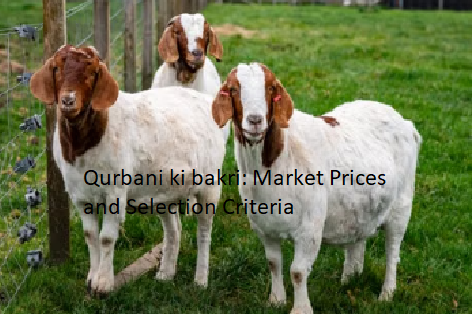
Selecting a healthy Qurbani ki bakri for the annual Eid-ul-Adha sacrifice is a significant commitment for many families. Understanding the physical requirements, market pricing dynamics, and ethical considerations helps ensure the ritual is performed with the proper care and intention.
This article provides a comprehensive breakdown of what to look for when choosing an animal, how to navigate the livestock markets, and the standards required to meet religious obligations. Whether you are a first-time buyer or an experienced hand at the cattle market, gaining clarity on these factors will help you make a well-informed decision for your upcoming sacrifice.
Physical Health and Age Requirements
A primary concern when selecting a Qurbani ki bakri is verifying the animal’s age and overall physical condition. According to traditional guidelines, a goat must be at least one full year old to be considered eligible for sacrifice.
Younger animals, often referred to as “kheera” or those lacking their permanent incisors, are generally not accepted for this purpose. You can usually determine the age by inspecting the teeth; the presence of two permanent front teeth is a clear indicator that the animal has reached the required maturity.
Beyond age, the physical health of the animal is paramount for both religious and sanitary reasons. An eligible goat must be free from any visible defects, such as blindness, severe limp, or extreme emaciation.
Look for an animal that displays alertness, has a clear coat, and does not show signs of respiratory distress or discharge from the eyes or nose. A healthy, energetic animal is not only a requirement for the ritual but also ensures the meat quality remains high for distribution.
When inspecting the goat, check its ears and tail for any significant damage or missing parts. Minor nicks from tags or accidental scrapes are typically acceptable, but significant portions missing due to injury or disease are often discouraged.
Always observe the animal’s movement for a few minutes to ensure it walks steadily without favoring one leg. Buying from a reputable source who keeps detailed records of the animal’s health history can provide extra peace of mind during your selection process.
Market Price Variations
The cost of a Qurbani ki bakri fluctuates significantly based on factors such as weight, breed, and proximity to the Eid festival. Prices are often lowest in the weeks leading up to the event, as sellers are keen to move inventory before the final rush.
As the date approaches, demand spikes, and prices can climb by 20% to 50% in the final three days. Understanding these market cycles allows you to budget effectively and potentially save money by securing your animal early.
Weight is the most predictable driver of price, with per-kilogram rates often being the standard metric in professional livestock trading. You might find that larger, heavier goats command a premium not just for their size, but for the prestige associated with a well-fed animal.
Breed also plays a role, with specific varieties like the Beetal or Rajanpuri often fetching higher prices due to their size and physical appearance. These premium breeds are sought after by those looking for a visually impressive animal for their sacrifice.
It is helpful to compare prices across different zones, as rural markets often provide better value than city-center sales points. While city markets offer convenience, the overhead costs of transport and stall fees are passed directly to the buyer. If you have the space and resources to care for the goat for a few days before the festival, purchasing from a farm on the outskirts of the city is often the most economical choice.
| Factor | Impact on Price |
|---|---|
| Age (1 year+) | Baseline Requirement |
| Weight (kg) | High Impact |
| Breed Prestige | Moderate Impact |
| Timing (Pre-Eid) | High Impact |
Ethical Treatment and Animal Welfare
Ensuring the ethical treatment of your Qurbani ki bakri is a fundamental aspect of the entire process. From the time of purchase to the moment of the sacrifice, the animal deserves to be kept in a clean environment with access to fresh water and adequate feed.
Avoid overcrowding in transport or holding pens, as stress can negatively affect the health of the animal and the quality of the meat. Providing a calm, quiet space for the animal helps maintain its well-being and fulfills the ethical spirit of the tradition.
Many local authorities and animal welfare organizations now emphasize the importance of humane handling during the transport and holding phases. You can find detailed guidelines on proper livestock management through the Food and Agriculture Organization, which outlines international standards for animal care.
By adhering to these practices, you ensure that the animal is treated with respect throughout its final days. It is also important to ensure that the person performing the sacrifice is skilled and follows established procedures to minimize discomfort for the animal.
Supporting local farmers who practice sustainable grazing and natural feeding methods is another way to contribute to better welfare outcomes. These farmers often raise their livestock with more individual attention than large-scale commercial operations.
When you choose a healthy, well-cared-for goat, you are reinforcing the value of good agricultural practices within your community. Always prioritize the welfare of the animal as much as the requirements of the ritual.
Transport and Logistical Planning
Logistics often represent the most stressful part of the process for the buyer. Once you have finalized your purchase, you must arrange for the safe transport of your Qurbani ki bakri to your home or a designated holding area.
Using a secure trailer or a vehicle with proper ventilation is essential to keep the animal calm during the journey. Avoid leaving the animal in a closed vehicle for extended periods, especially in hot weather, as this can lead to heat stress or even fatality.
If you are not equipped to transport the animal yourself, many markets provide professional transport services for a fee. Ensure that the driver is experienced with livestock, as sudden braking or sharp turns can cause injury.
Before loading, check that the holding area you have prepared at home is ready to receive the animal. A clean, shaded, and dry enclosure will make the transition much easier for both you and the goat.
Consider the timing of the transport carefully to avoid the peak traffic hours that often clog roads around major livestock markets. Bringing the animal home a few days early can also help it acclimate to its new surroundings and reduce the stress of the final day.
If you choose to keep the animal for several days, ensure you have a reliable supply of fresh fodder and water. Proper preparation in these logistical details prevents last-minute complications that can ruin the experience.
The Selection Checklist
To keep your search organized, it is beneficial to maintain a mental or written checklist of the traits you desire in a Qurbani ki bakri. Start with the basics: the animal must be a goat, it must meet the age requirement, and it must be free of significant physical defects.
Beyond these essentials, you might want to look for specific traits like coat color or horn shape, which are personal preferences rather than requirements. Organizing your criteria helps you stay focused when browsing through hundreds of animals at a busy market.
* Verify the teeth to ensure the animal is at least one year old.
* Check the eyes and nose for clear signs of health.
* Examine the hooves and legs for any signs of limping or injury.
* Confirm the animal has been vaccinated against common livestock diseases.
* Ensure the tail and ears are in good condition.
* Observe the animal’s interaction with feed to confirm a healthy appetite.
Having this list ready prevents you from getting caught up in the excitement or pressure of the market environment. It allows you to remain objective and ensure that your chosen animal is truly fit for the purpose. Many buyers find that taking a friend or family member along provides a second pair of eyes, which is helpful when evaluating multiple animals at once.
Feeding and Care Before Eid
Once you have brought your Qurbani ki bakri home, the focus shifts to maintaining its health until the day of the sacrifice. A consistent diet of high-quality fodder, such as alfalfa or clover, is essential for maintaining the animal’s weight and vitality.
Avoid sudden changes in diet, as these can lead to digestive issues that might weaken the animal. Providing a clean source of water at all times is perhaps the most important aspect of daily care.
If you are keeping the animal for an extended period, consider adding small amounts of grain or specialized feed to its diet to ensure it stays in peak condition. However, do not overfeed, as excessive weight gain in a short time can lead to health complications.
Regular cleaning of the enclosure is also vital to prevent the buildup of waste, which can attract flies and lead to skin infections. A clean, dry, and cool environment will help the animal remain calm and comfortable.
Watch for any signs of illness, such as a loss of appetite or lethargy, and consult a local veterinarian if you are concerned. Providing a bit of shade during the hottest parts of the day is critical, especially in regions with high temperatures. Engaging with the animal in a gentle manner can also help it settle into its new environment, making the entire experience more manageable for everyone involved.
Common Mistakes to Avoid
Many buyers make the mistake of leaving their purchase until the very last minute, which often leads to paying inflated prices for lower-quality animals. By trying to secure a deal in the final hours, you limit your options and may end up with an animal that does not meet your standards.
Planning ahead and visiting the market early in the season is a much more effective strategy. This approach gives you the time to inspect multiple animals and negotiate a fair price without the pressure of the impending deadline.
Another frequent error is ignoring the health records of the animal. While a goat may look healthy on the surface, it could be carrying internal parasites or may not have received basic vaccinations.
Always ask the seller about the animal’s medical history and look for signs of deworming. If a seller is unable or unwilling to provide this information, it is often safer to look elsewhere.
Finally, avoid underestimating the logistical challenges of keeping an animal. If you do not have the proper facilities or experience in handling livestock, do not attempt to keep the animal at home for several days.
It is often better to arrange for the animal to be kept at a professional farm or a secure facility until the day of the sacrifice. This ensures the animal remains in good health and reduces the risk of accidents or mismanagement.
FAQ
Can we do Qurbani on a female goat?
Yes, a female goat is perfectly acceptable for Qurbani, provided it meets all the age and health requirements. Many people choose female goats for their temperament and ease of handling, though male goats are more commonly seen in the markets.
How many goats per family for Qurbani?
A single goat is sufficient for one person’s obligation, but it can also be sacrificed on behalf of a household. One goat is considered a single share, meaning it cannot be shared among multiple families or individuals in the same way a cow or camel can be divided into seven shares.
Is a goat with a broken horn eligible?
The eligibility of an animal with a broken horn depends on the severity of the break. If the break has damaged the core of the horn or caused a significant wound, it is generally considered ineligible. However, minor chips or cosmetic damage to the outer layer of the horn are typically acceptable.
How do I know if the goat is healthy enough?
A healthy goat will have bright eyes, a clean coat, and an alert demeanor. It should walk without limping and show no signs of discharge from the nose or mouth. If the animal is active and eating well, it is a strong indicator of good health.
What is the minimum age for a Qurbani goat?
The minimum age for a goat to be sacrificed is one full year. You can verify this by checking the teeth; the animal should have developed its two permanent front incisors.
Conclusion
Selecting a healthy Qurbani ki bakri is a meaningful part of the ritual that requires careful consideration and planning. By focusing on the health of the animal, understanding market price fluctuations, and ensuring ethical treatment, you can fulfill your obligations with confidence and peace of mind. Remember that the quality of your sacrifice is defined not just by the animal you choose, but by the care and intention you bring to the process.
Whether you are navigating the busy markets or preparing a space at home, staying informed and prepared makes all the difference. As you move forward with your plans for this year’s sacrifice, prioritize the well-being of the animal and the standards of the tradition to ensure a successful and rewarding experience.
