

The Sirohi goat breed stands as one of the most resilient and profitable livestock options for farmers working in arid and semi-arid climates. Originating from the Sirohi district of Rajasthan, India, these goats are prized for their exceptional ability to thrive on minimal input while delivering high-quality meat.
Whether you are looking to start a small-scale farm or expand an existing herd, understanding the specific biological and economic characteristics of this breed is essential. This article provides a deep look into why this hardy animal is consistently ranked among the top choices for commercial goat farming in the Indian subcontinent.
The primary specialty of the Sirohi goat breed is its remarkable heat tolerance and disease resistance, which allows it to maintain consistent weight gain even during harsh summers. Unlike more sensitive breeds, these goats are dual-purpose, though they are primarily managed for meat production due to their rapid growth rate.
A healthy male Sirohi goat typically weighs between 40 and 60 kilograms at maturity, while females usually weigh between 30 and 45 kilograms. Because of their hardy nature, they are often referred to as the “poor man’s cow” in rural Rajasthan, providing a stable income for small-scale pastoralists who rely on grazing rather than intensive feedlot systems.
Key Physical and Biological Traits
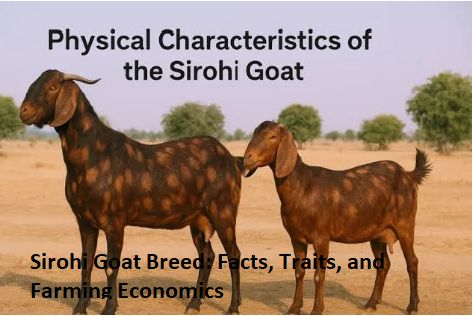
The physical appearance of the Sirohi goat breed is distinct, making it relatively easy to identify in a mixed herd. They generally have a medium-sized frame with a compact, muscular body that is well-suited for both stall-feeding and extensive grazing.
Their coat is typically brown with light or dark brown patches, though some individuals may present with white spots. The ears are medium-sized and drooping, a classic trait that helps in heat dissipation in the desert climate of western India.
Most animals of this breed possess a short, dense coat, which is highly beneficial for regulating body temperature. Their legs are relatively short but sturdy, allowing them to traverse rocky or sandy terrain without sustaining injury.
Breeders often look for a strong, deep chest and a straight back as indicators of good health and future meat yield. While they are not known for high milk production, they provide enough milk to sustain their kids, ensuring a high survival rate during the critical weaning period.
Farming Economics and Profitability
Profitability in goat farming hinges on the conversion ratio of feed to body weight, and the Sirohi goat breed excels in this metric. Because they are browsers rather than grazers, they can effectively utilize shrubs, tree leaves, and grasses that other livestock might ignore.
This dietary flexibility significantly lowers the overhead costs associated with purchasing expensive commercial concentrates or alfalfa. Farmers typically see a return on investment within 12 to 18 months, depending on the intensity of the feeding program.
Market demand for this specific breed remains high throughout the year, with prices peaking during major festivals when the demand for high-quality meat surges. A well-fed male goat can fetch a premium price in local markets, often selling for 15,000 to 25,000 Indian Rupees depending on age and weight. By maintaining a healthy buck-to-doe ratio, farmers can ensure a steady cycle of reproduction that keeps the farm cash flow positive year-round.
Comparative Growth and Performance
When comparing the Sirohi goat breed to other popular Indian varieties, several performance indicators stand out. The following table highlights the typical growth and production metrics that farmers should expect when managing a herd under standard semi-intensive conditions.
| Metric | Sirohi Goat Performance |
|---|---|
| Average Male Weight (Adult) | 45–60 kg |
| Average Female Weight (Adult) | 30–45 kg |
| Age at First Kidding | 14–16 months |
| Daily Milk Yield | 0.5–1.0 liters |
| Reproductive Rate | 1.5–1.8 kids per year |
These figures demonstrate that the breed is a reliable performer, particularly in terms of reproductive efficiency. The ability to produce multiple kids per year is a significant advantage for farmers looking to scale their operations quickly. While milk yield is secondary, the consistent growth of the offspring is what drives the actual revenue for most commercial goat farms.
Optimal Grazing and Management Practices
Successful management of the Sirohi goat breed requires an understanding of their natural behavior. These animals are social creatures that thrive in herds, so keeping them in isolation can lead to stress and reduced appetite.
Providing a clean, dry, and well-ventilated shelter is crucial to preventing respiratory infections, which are the most common cause of mortality in young goats. During the monsoon season, special attention must be paid to foot health, as constant exposure to damp ground can lead to hoof rot.
Rotation of grazing plots is another essential strategy to maximize the health of the herd and the land. By moving the goats between different paddocks, you prevent overgrazing and reduce the buildup of internal parasites in the soil.
For more technical details on livestock health, the Food and Agriculture Organization of the United Nations offers comprehensive resources on small ruminant management. Implementing a routine deworming and vaccination schedule is non-negotiable for maintaining a high-performing herd.
Nutritional Requirements and Feed Efficiency
While the Sirohi goat breed is known for its ability to survive on sparse vegetation, optimal growth requires a balanced diet. Providing a mix of leguminous fodder and dry roughage helps maintain the rumen health of the animals.
Including a small percentage of grains or protein-rich cakes in the diet during the final three months of fattening can significantly improve the final weight and carcass quality. Clean, fresh water must be available at all times, as dehydration is a major factor in stunted growth.
Farmers should also supplement the diet with mineral blocks, which are essential for bone development and immune function. In areas where soil quality is poor, these mineral supplements prevent common deficiencies that lead to reproductive failure.
Monitoring the body condition score of the does before and after breeding is a simple way to determine if the current nutritional plan is meeting their metabolic needs. A thin doe will rarely produce a healthy, fast-growing kid, so managing the mother’s weight is a form of investment in the next generation.
Common Challenges and Disease Control
Despite their resilience, the Sirohi goat breed is not immune to common livestock diseases. Peste des Petits Ruminants (PPR) is perhaps the most significant threat to a herd, and mandatory vaccination is the only effective defense.
Farmers should work closely with local veterinary extension officers to keep their vaccination records up to date. Quarantine procedures for new animals entering the farm are also vital to prevent the introduction of contagious pathogens into the existing population.
Internal parasites, such as stomach worms, are another persistent issue that can drain the vitality of the herd if left unchecked. Regular fecal testing can help identify the specific parasite load and guide the selection of appropriate anthelmintic medications.
Avoiding the overuse of a single type of dewormer is important to prevent the development of drug-resistant parasite strains. A proactive approach to health management, rather than a reactive one, will save significant costs in the long run.
Marketing and Sales Strategy
To maximize income, it is important to understand the different channels available for selling your livestock. Many farmers sell their stock directly to traders at local weekly markets, which provides immediate cash but often at a lower price point.
Alternatively, selling directly to restaurants or wholesale meat distributors can yield higher margins if you can provide a consistent supply of animals at a specific weight. Building a reputation for quality, disease-free animals will allow you to command a premium price from repeat buyers.
* Direct sales to local butchers for consistent monthly revenue.
* Participation in agricultural exhibitions to showcase high-quality breeding stock.
* Online platforms and social media groups to connect with hobbyists and small-scale farmers.
* Contract breeding for larger commercial farms looking to improve their herd genetics.
By diversifying your sales channels, you reduce the risk of being dependent on a single buyer or market fluctuation. Focus on producing uniform, healthy animals that meet the specific weight requirements of your target market. Consistency is the hallmark of a professional farm, and it is the primary factor that will keep buyers coming back to your operation.
Frequently Asked Questions
What is the primary specialty of the Sirohi goat breed?
The primary specialty of this breed is its exceptional resilience in arid environments and its high feed-to-weight conversion ratio, making it ideal for meat production.
How much does a healthy male Sirohi goat cost?
Prices vary significantly based on weight, age, and location, but a mature, healthy male typically ranges from 15,000 to 25,000 Indian Rupees in current markets.
Are these goats suitable for intensive stall-feeding?
Yes, they adapt very well to stall-feeding systems, provided they have enough space to move and receive a balanced diet of fodder and concentrates.
How fast do these goats reach market weight?
With proper nutrition and management, most kids reach a desirable market weight of 30 to 40 kilograms within 10 to 12 months.
Do these goats require special medical care?
They are generally hardy, but they require standard vaccinations against diseases like PPR and routine deworming to remain productive and healthy.
The Sirohi goat breed remains a cornerstone of rural economy and sustainable livestock farming in India. Its ability to turn low-quality forage into high-quality meat makes it a practical choice for both beginners and experienced producers. By focusing on proper nutrition, rigorous health protocols, and strategic market engagement, you can build a sustainable and profitable operation.
Success in this field does not happen overnight, but the inherent strengths of these animals provide a solid foundation for growth. If you are ready to start your journey in goat farming, ensure you source your foundation stock from reputable breeders to guarantee the genetic quality of your herd. With consistent management, the Sirohi goat breed will continue to serve as a reliable source of income for years to come.
