

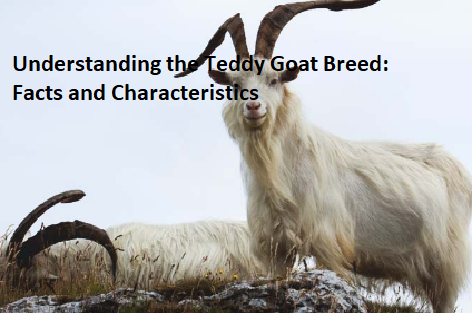
The Teddy goat breed is a distinctive caprine variety primarily found in the Punjab province of Pakistan, known for its small stature and high-quality meat production. Breeders and smallholders often seek out these animals because they adapt well to confined spaces and exhibit a resilient nature in harsh climates. Understanding the specific traits of these animals helps potential owners determine if they are the right choice for their agricultural or hobbyist goals.
The primary defining characteristic of the Teddy goat breed is its compact size, which allows it to thrive in urban or backyard settings where larger livestock would be impractical. These goats are typically characterized by a short, sleek coat and a small, sturdy frame that differentiates them from larger, free-ranging pastoral breeds. While they are often kept for meat, their manageable temperament also makes them a point of interest for those looking to maintain a small herd in limited space.
Origin and Distribution of the Breed
The Teddy goat breed originates from the Punjab region, specifically thriving in both the Pakistani and Indian territories of this fertile agricultural zone. They are well-adapted to the local environment, having evolved to handle the fluctuating temperatures and arid conditions common to the area. Because they are native to these regions, they have become a staple for small-scale farmers who need an animal that requires minimal input.
Historically, these goats were raised by rural families as a source of supplementary income and food. They are often referred to as “Bakra” in local dialects, a term that simply denotes their role as a primary source of meat for local festivities and daily consumption. Their distribution remains concentrated in these traditional settings, though interest in the breed has expanded recently due to their unique physical attributes.
Physical Characteristics and Appearance
When identifying a true Teddy goat, you should look for a compact body shape that is dense and muscular despite the animal’s small overall height. They rarely reach the massive proportions of dairy breeds, which is exactly why they are favored for small-scale production. Their coats are typically short and vary in color, ranging from solid white or black to spotted or mottled patterns.
The ears of a Teddy goat are generally small and erect, standing out in contrast to the long, pendulous ears seen on many other goat varieties. Their faces are short and often have a slightly dished profile, giving them a distinct look that enthusiasts find endearing. These physical markers are critical for breeders who aim to maintain the purity of the lineage and avoid crossbreeding with larger, less efficient local varieties.
Comparison with Other Common Breeds
To understand the value of the Teddy goat breed, it is helpful to compare them against other common goats found in the same geographical regions. The following table highlights the differences between the Teddy and two other common breeds often found in similar climates.
| Breed | Average Size | Primary Purpose | Environment |
|---|---|---|---|
| Teddy | Small/Compact | Meat | Urban/Backyard |
| Barbari | Medium | Meat/Milk | Semi-Arid |
| Beetal | Large | Milk/Meat | Rural/Pasture |
The Teddy goat is clearly optimized for space efficiency and meat yield relative to its size. While the Beetal or Barbari might offer more volume, they require significantly more feed and open land to maintain health. The Teddy remains the most practical choice for those who are constrained by land availability or who live in peri-urban environments.
Feeding and Management Requirements
Managing the Teddy goat breed is relatively straightforward because of their efficient metabolic rate. They are known to be hardy browsers, capable of consuming a wide variety of plants, shrubs, and grasses that other, more selective breeds might ignore. This dietary flexibility reduces the need for expensive, high-quality grain supplements, making them a cost-effective choice for many keepers.
Proper nutrition is still essential to ensure high-quality meat production and overall herd health. A balanced diet should include:
-
- Fresh, clean water available at all times to prevent dehydration.
-
- A mixture of high-quality dry fodder and fresh green forage.
-
- Mineral blocks to provide necessary trace elements like salt and phosphorus.
-
- Limited grain supplementation during peak growth phases or cold weather.
Housing these goats does not require specialized, high-cost structures. A simple, dry, and draft-free shelter is sufficient to protect them from rain and extreme heat. Because they are naturally clean animals, keeping their living quarters hygienic is usually a simple task of regular cleaning and bedding management.
Economic Potential for Smallholders
The economic viability of raising the Teddy goat breed lies in their rapid growth rate and demand for their meat. Because these goats mature relatively quickly, owners can turn over their stock in a shorter timeframe than they could with larger breeds. This makes them an attractive asset for those who rely on animal husbandry for seasonal income or quick returns.
The demand for goat meat in the Punjab region and beyond is consistently high, particularly during religious festivals and community events. Because the Teddy is sized perfectly for individual family consumption, they are often easier to sell than larger, more expensive animals. You can find more information on general livestock management practices through the Food and Agriculture Organization of the United Nations.
Common Health Considerations
Like any livestock, the Teddy goat breed requires a proactive approach to health management to avoid common issues. Internal parasites are the most frequent challenge, especially in humid regions where larvae thrive in the grass. A regular deworming schedule, tailored to the specific needs of your local climate, is essential to keep the herd productive and thriving.
Respiratory issues can also occur if the animals are kept in overcrowded or damp conditions. Proper ventilation in the shed is critical to preventing the buildup of ammonia and moisture, both of which can weaken the goats’ immune systems. Regular check-ups by a local veterinarian or experienced breeder will ensure that any potential outbreaks are caught before they spread through the entire group.
Reproductive Traits and Breeding
One of the reasons the Teddy goat breed has remained so popular is its high fertility and strong maternal instincts. Does are known for being excellent mothers, often producing twins or even triplets, which helps in rapidly expanding the size of a herd. This reproductive efficiency is a major advantage for commercial breeders who need to scale their operations without purchasing new stock.
Breeding cycles are generally consistent, allowing for predictable kidding seasons. Responsible breeders focus on selecting sires that exhibit the best conformation and weight-gain traits to ensure the next generation remains true to the breed standard. Careful record-keeping regarding birth weights and growth rates will help you refine your breeding program over time.
Frequently Asked Questions
What is the typical weight of a mature Teddy goat?
A mature Teddy goat typically weighs between 20 and 35 kilograms, depending on their diet and overall health. Their smaller frame is a defining trait that makes them highly manageable for small-scale farmers.
Are Teddy goats suitable for milk production?
While they can produce milk, they are primarily bred for meat production rather than dairy. Their milk yield is generally lower than that of specialized dairy breeds, making them less efficient for commercial milking operations.
How long do Teddy goats live?
With proper care, nutrition, and veterinary oversight, these goats can live between 8 and 12 years. Their longevity is often influenced by the quality of their living environment and their protection from predators.
Do they require a lot of space?
No, one of the primary benefits of this breed is that they thrive in small, confined spaces. They are well-suited for backyard farming where land is limited and intensive management is possible.
What is the best way to prevent parasites in this breed?
A combination of rotational grazing and a strict, veterinarian-approved deworming schedule is the most effective approach. Keeping their living area dry and frequently cleaned also significantly reduces parasite exposure.
Conclusion
The Teddy goat breed remains a cornerstone of small-scale livestock production in the regions where they are most prevalent. Their compact size, high fertility, and efficiency as meat animals provide a practical solution for farmers who need to maximize output in limited spaces. By prioritizing proper nutrition, clean housing, and proactive health management, owners can successfully maintain a productive herd that serves their needs effectively.
Whether you are looking to start a small agricultural venture or simply maintain a few animals for personal use, understanding the specific requirements of these goats is key to your success. The resilience of the Teddy goat breed continues to make them a popular choice for those working within the constraints of modern, small-scale agriculture. With the right approach, you will find them to be a rewarding and manageable addition to your farm.
