

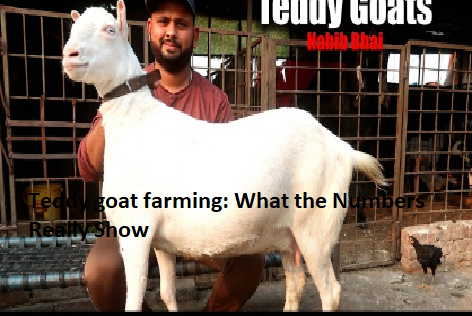
Teddy goat farming has emerged as a specialized niche within the livestock sector, primarily driven by the breed’s striking aesthetic appeal and manageable size. These goats, often referred to as “Teddy” goats due to their resemblance to stuffed animals, are a distinct variety popular in parts of South Asia for both their appearance and their utility.
Understanding the economic and logistical requirements of this venture is essential for anyone looking to enter the market. By exploring the specific husbandry needs, market demands, and financial realities of this livestock choice, you can determine if this path aligns with your agricultural goals.
The profitability of Teddy goat farming depends heavily on the scale of your operation and your access to local markets. While small-scale farming can generate consistent supplemental income, significant profits usually require a herd size of at least 50 to 100 breeding does.
Teddy goats are generally valued for their meat and their ability to thrive in semi-arid environments, which reduces the cost of intensive climate control systems. On average, a healthy, well-fed buck can reach market weight within 8 to 10 months, providing a relatively quick turnover compared to larger cattle operations.
Understanding the Breed Characteristics
Teddy goats are prized for their compact build and thick, often shaggy coats that give them a plush appearance. Unlike larger dairy breeds, these goats are primarily raised for meat production, making them an excellent choice for farmers with limited acreage. Their temperament is generally docile, which simplifies daily handling and reduces the stress levels of the animals during transport or medical examinations. Because they are smaller, they require less feed per animal, allowing for a higher stocking density on smaller plots of land.
The hardiness of the breed is a significant advantage for those operating in regions with fluctuating temperatures. They possess a natural resistance to common parasites, provided that the pasture rotation is managed effectively.
This resilience translates directly to lower veterinary costs and fewer intervention requirements, which is a major factor in maintaining a healthy profit margin. Farmers often note that the initial investment in a quality foundation herd pays off through the high survival rate of the kids during their first year.
Land Requirements and Herd Density
Determining how many acres you need for 100 goats is a fundamental step in your business plan. A common rule of thumb is that you can comfortably manage 5 to 10 goats per acre, depending on the quality of the forage and your use of supplemental feeding. For a herd of 100 animals, you should ideally have access to at least 10 to 15 acres of managed pasture to prevent overgrazing. Effective land management involves dividing your property into smaller paddocks to ensure that the soil has time to recover between grazing cycles.
If you have limited land, you can increase your capacity by implementing a cut-and-carry system. This method involves harvesting forage from external sources and bringing it to the goats, which allows for higher density without exhausting your own land.
However, this increases labor costs significantly, as you must account for the time spent gathering and transporting feed daily. You must weigh the reduced land cost against the increased daily labor commitment to find the most efficient balance for your specific situation.
Economic Viability and Market Trends
The financial success of your venture is tied to your ability to target the right market segments. Teddy goats are often sold at a premium during major cultural holidays, where their appearance and size make them desirable for specific traditional celebrations. Building a network of local buyers or establishing a contract with a meat distributor can provide a safety net for your cash flow throughout the year. You should track local market prices regularly to understand when the demand peaks and adjust your breeding schedule accordingly.
Consider the following factors that influence your annual income:
- Feed Conversion Ratio: Higher efficiency means less money spent on grain and hay.
- Reproduction Rates: A high percentage of twins or triplets significantly boosts your annual inventory.
- Mortality Rates: Keeping the kid mortality rate below 10% is vital for maintaining a profitable herd.
- Marketing Channels: Direct-to-consumer sales usually offer higher margins than selling to middle-men.
Data Comparison of Small-Scale Operations
The following table outlines the approximate costs and returns you might expect based on typical industry benchmarks. These figures are estimates and will vary based on your geographic location, local feed prices, and specific herd management practices.
| Expense/Revenue Category | Small Herd (20 Goats) | Medium Herd (100 Goats) |
|---|---|---|
| Initial Stock Investment | $2,000 – $3,000 | $10,000 – $15,000 |
| Annual Feed Costs | $1,500 | $7,000 |
| Veterinary/Supplies | $500 | $2,000 |
| Annual Revenue (Sales) | $4,000 – $5,000 | $20,000 – $25,000 |
Nutritional Management and Forage
Proper nutrition is the cornerstone of any successful livestock operation, and Teddy goats are no exception. While they are known for their ability to browse on scrub and brush, relying solely on natural forage is rarely sufficient for commercial-grade meat production. You should supplement their diet with high-quality hay during the winter months or dry seasons to maintain their body condition score. Providing access to clean, fresh water at all times is perhaps the most overlooked aspect of goat health, yet it is essential for milk production and kid growth.
Mineral supplementation is equally critical for preventing common health issues like white muscle disease or anemia. A loose mineral mix designed specifically for goats should be available free-choice, as it helps regulate their metabolic functions.
You can find detailed nutritional guidelines through resources like the Penn State Extension Small Ruminant program, which provides evidence-based advice for managing herd health. Monitoring the body condition of your breeding does before and after kidding will help you adjust rations to ensure they remain productive year after year.
Managing Herd Health and Parasites
Parasite management is the single greatest challenge in goat farming, particularly in humid climates where worms thrive. Implementing a FAMACHA scoring system allows you to identify individual goats that require deworming, which helps prevent the development of drug-resistant parasites. Avoid routine deworming of the entire herd, as this practice inadvertently selects for the strongest, most resistant worms. Instead, focus on pasture rotation and keeping feeding areas clean to break the parasite life cycle naturally.
Foot health is another area that requires consistent attention to prevent lameness and infections. Regularly trimming hooves every 8 to 12 weeks will keep your goats mobile and comfortable, which directly impacts their weight gain.
If a goat becomes lame, it will spend less time grazing and more time lying down, leading to reduced growth and lower overall herd efficiency. Always isolate new animals for at least 30 days before introducing them to the main herd to prevent the spread of contagious diseases like caseous lymphadenitis.
Infrastructure and Facility Planning
Your infrastructure needs to be secure enough to keep the goats in and predators out. A basic fence should be at least 48 inches high and constructed from woven wire to prevent the goats from climbing or pushing through. Predators like coyotes or stray dogs can devastate a herd in a single night, so investing in high-quality perimeter fencing is a non-negotiable expense. If your area has a high predator population, you might consider using livestock guardian dogs to protect the flock around the clock.
Housing does not need to be elaborate, but it must be dry and draft-free, especially during the kidding season. A simple three-sided shed oriented away from the prevailing wind is usually sufficient to protect the animals from extreme weather.
Ensure the floor is well-drained and kept clean with bedding like straw or wood shavings to prevent respiratory issues. As your herd grows, you will need a dedicated area for handling, including a small chute or head gate to facilitate vaccinations and health checks.
Planning for Future Growth
Scaling a farm operation requires a shift from a hobbyist mindset to a business-oriented approach. You should keep meticulous records of every birth, death, vaccination, and sale to track the performance of individual bloodlines. By identifying your most productive does and keeping their offspring, you can gradually improve the genetic quality and growth rates of your entire herd. This selective breeding process is what separates long-term, successful farmers from those who struggle to break even.
Diversifying your income streams can also provide stability during market fluctuations. Some farmers successfully sell manure as organic fertilizer, which can become a secondary product with a high profit margin.
Others focus on breeding show-quality animals to sell as pets or for 4-H projects, which often command significantly higher prices than market meat goats. Always look for ways to maximize the value of every animal on your farm, whether through meat, breeding stock, or secondary byproducts.
Frequently Asked Questions
Is a small-scale goat farm actually profitable?
Profitability is achievable, but it is rarely a path to immediate wealth. Success requires careful management of input costs and a focus on high-demand market windows. If you manage your own feed production and minimize veterinary interventions through good husbandry, your margins will be significantly healthier.
How many goats can I keep on one acre?
You can typically keep 5 to 10 goats on a single acre if the land is well-managed. This number depends heavily on your soil quality and rainfall, as well as your willingness to provide supplemental feed. Overstocking will quickly degrade your pasture and increase your parasite management costs, so it is safer to start with fewer animals.
What defines a Teddy goat breed?
Teddy goats are a specific variety characterized by their small, compact frames and thick, soft coats. They are prized in many regions for their hardiness and their ability to thrive in harsh environments. While they are distinct from breeds like the Boer or Nubian, they are often sought after for their specific meat quality and ease of handling.
How do I start my first herd?
Begin by researching the specific climate needs of Teddy goats in your region and ensuring you have secure fencing. Start with a small, healthy foundation herd of 3 to 5 does and one buck to learn the ropes of breeding and health management. Focus on building a relationship with a local veterinarian who has experience with small ruminants before you bring your first animals home.
Conclusion
Teddy goat farming is a rewarding endeavor that requires both patience and a commitment to animal welfare. By focusing on smart land management, preventative health care, and strategic marketing, you can build a sustainable operation that contributes to your local economy. Success in this field is rarely accidental; it is the result of consistent observation and the ability to adapt your practices based on the data you collect from your herd. As you refine your techniques and scale your flock, you will find that the effort invested in your animals pays dividends in both financial returns and the satisfaction of productive land stewardship. Start small, monitor your progress, and stay focused on the long-term health of your herd.
