

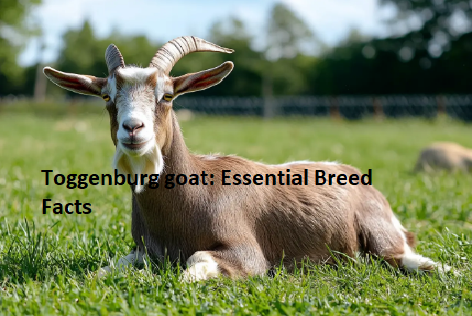
The Toggenburg goat is a Swiss dairy breed celebrated for its exceptional consistency in milk production and its calm, manageable temperament. Originating from the Toggenburg Valley in Switzerland, this breed has become a staple for small-scale farmers and commercial dairies alike. Understanding the specific physical and behavioral traits of the Toggenburg goat helps owners provide better care and maximize milk output.
Whether you are interested in their history or their practical utility on a modern farm, this breed offers a unique combination of hardiness and productivity. By exploring their unique characteristics and dietary needs, you can determine if these animals are the right addition to your livestock program.
The primary questions regarding the Toggenburg goat center on its milk production capabilities and overall disposition. On average, a healthy adult doe will produce between 2,000 and 3,000 pounds of milk per year, depending on her diet and health. This production is characterized by a relatively high butterfat content, typically ranging between 3.0% and 3.5%.
Because of their long history of selective breeding, they are known for being one of the most reliable producers among dairy breeds. They are also widely considered to be one of the calmest and most docile goat breeds, making them an excellent choice for families or novice handlers who prioritize safety and ease of management.
Origins and Historical Development
The history of the Toggenburg goat traces back to the Toggenburg Valley in the St. Gallen canton of Switzerland. It is recognized as one of the oldest purebred dairy goat breeds in the world, with lineage records dating back centuries in European agricultural archives.
Farmers in the Alpine regions of Switzerland originally developed these animals for their ability to thrive in cooler, mountainous climates while maintaining steady milk output. Their development was driven by the need for a hardy animal that could convert high-altitude forage into a consistent supply of milk for cheese making.
Over time, the breed was exported globally, arriving in the United States and the United Kingdom in the late 19th century. Breeders in these regions focused on preserving the distinct coat color and structural integrity that defined the original Swiss lines. The American Dairy Goat Association maintains the formal breed standards that breeders follow today to ensure the survival of these unique genetic markers.
Because of this long-standing commitment to breed purity, the modern Toggenburg remains remarkably similar to its ancestors. This history of intentional breeding has resulted in a goat that is both aesthetically consistent and functionally superior in a dairy setting.
Physical Characteristics and Breed Standards
A Toggenburg goat is easily identified by its distinctive coat, which ranges from light fawn to dark chocolate. The breed standard requires specific white markings, which are often referred to as “Swiss markings.” These markings include white ears with a dark spot in the middle, two white stripes down the face, and white lower legs.
The hair is usually short to medium in length and lies flat against the body, giving the animal a sleek, athletic appearance. They are generally smaller in stature compared to breeds like the Saanen or the Alpine.
When evaluating a Toggenburg, you should look for a strong, dairy-like frame that suggests high production potential. They typically weigh between 120 and 150 pounds as mature does, while bucks can reach 150 to 200 pounds. Their ears are erect and carried forward, a trait that contributes to their alert and intelligent expression.
A straight face and a strong, level back are essential components of the breed’s structural integrity. These physical traits are not just for show; they indicate a well-balanced animal that is capable of handling the physical stress of high-volume lactation.
Milk Quality and Production Data
Milk production is the primary reason most farmers choose to keep a Toggenburg goat. While they may not hit the extreme peak volumes of a high-producing Saanen, they are renowned for their ability to maintain steady production over a long lactation period.
Many owners report that these goats are less prone to the “production slumps” that can plague other high-yield breeds. The consistency of their output makes them a favorite for those who sell milk or produce artisan cheeses on a regular schedule.
The quality of the milk is just as important as the quantity for cheese makers. The protein and butterfat levels in the milk from a Toggenburg goat are ideal for creating high-quality, firm cheeses.
Because the fat globules are relatively small, the milk is also easier to digest than cow milk. Below is a comparison of typical production metrics for common dairy breeds, helping you see where the Toggenburg fits into the broader agricultural landscape.
| Breed | Average Annual Milk (lbs) | Butterfat Content |
|---|---|---|
| Toggenburg | 2,500 | 3.2% |
| Saanen | 3,000 | 3.0% |
| Nubian | 2,000 | 4.5% |
| Alpine | 2,600 | 3.3% |
Temperament and Behavioral Traits
The personality of the Toggenburg goat is frequently cited as its most endearing quality. They are generally quiet, gentle, and less prone to the loud, vocal outbursts sometimes seen in other dairy breeds.
This makes them significantly easier to manage in residential or small-farm settings where noise levels might be a concern. Their calm demeanor also extends to the milking parlor, where they are less likely to kick or act nervously when handled by the milker.
These goats are highly intelligent and bond closely with their human handlers. While they are not overly aggressive, they can be quite curious and will often explore their surroundings with a gentle, inquisitive nature. They do best in a herd environment, as they are social animals that thrive on the companionship of other goats.
If you keep a small herd, you will notice that they establish a clear but generally peaceful social hierarchy. Providing them with enrichment, such as climbing structures or logs, helps keep them mentally stimulated and happy.
Dietary Needs and Foraging Habits
Feeding a Toggenburg goat correctly is essential for maintaining their health and production levels. They are natural browsers, meaning they prefer to eat leaves, shrubs, and weeds rather than just grass.
In a pasture setting, they will actively seek out a variety of plants to satisfy their nutritional requirements. You should ensure that their pasture is free from poisonous plants, as their curious nature can lead them to sample things they shouldn’t.
During the winter or when high-quality forage is unavailable, you must provide supplemental nutrition. High-quality hay, such as alfalfa or orchard grass, serves as the foundation of their diet.
You should also supplement with a balanced dairy goat ration to ensure they receive adequate vitamins and minerals, specifically calcium and phosphorus. Fresh, clean water is the most critical component of their diet, as a lactating doe can consume several gallons a day.
- Clean Water: Access to fresh water at all times is mandatory for milk production.
- Quality Forage: A mix of legumes and grasses provides the best nutritional balance.
- Mineral Blocks: Free-choice minerals help prevent common deficiency issues.
- Routine Health Checks: Regular hoof trimming and parasite management are vital.
- Shelter: Dry, draft-free housing protects them from extreme weather conditions.
Health Maintenance and Preventative Care
Keeping a Toggenburg goat in peak condition requires a proactive approach to animal husbandry. Parasite control is perhaps the most significant challenge for goat owners, regardless of the breed.
You should implement a regular fecal testing schedule to monitor the parasite load in your herd. Rather than deworming on a set schedule, treat only the animals that show a clinical need, as this helps prevent the development of drug-resistant parasites.
Hoof health is another area that requires consistent attention. Because they are often kept on soft pasture or in barns, their hooves can grow too long and cause discomfort or lameness. Plan to trim their hooves at least every 6 to 8 weeks to keep them in good shape.
Additionally, vaccinating your herd against common diseases like enterotoxemia and tetanus is a standard practice for most responsible breeders. By staying ahead of these basic health needs, you can ensure your goats live productive and comfortable lives.
Environmental Adaptation and Housing
The Toggenburg goat is exceptionally well-suited for temperate climates, thanks to its Swiss heritage. They handle cold weather much better than breeds originating from warmer regions, such as the Nubian.
However, they still require a clean, dry, and draft-free barn during the harshest months of the year. Moisture is the enemy of the goat, so ensure that your housing setup has adequate ventilation to prevent respiratory issues.
In the summer, your primary concern should be providing adequate shade and cooling options. While they are hardy, they can suffer from heat stress if they do not have a place to escape the direct sun. A simple three-sided shed is often sufficient, provided it is oriented to maximize airflow and block prevailing winds.
When designing your housing, keep in mind that goats are natural climbers and will test the strength of any fencing you install. Use sturdy, non-climbable fencing to keep them safe and secure within their designated area.
Frequently Asked Questions
Are Toggenburg goats good for beginners?
Yes, they are often considered one of the best choices for beginners. Their docile temperament and manageable size make them much easier to handle than larger, more flighty breeds.
How much milk can I expect per day?
An average, well-fed doe will typically produce between 0.5 and 1.5 gallons of milk per day. This amount can fluctuate based on the stage of lactation and the quality of the feed provided.
Do Toggenburg goats need to be milked twice a day?
For optimal production, milking twice a day is recommended. However, some owners find that once-a-day milking is sufficient for a family-sized supply, provided the goat is healthy and well-fed.
What is the lifespan of this breed?
With proper care, nutrition, and routine veterinary attention, a healthy goat can live for 10 to 15 years. Many does remain productive in the dairy for 8 to 10 of those years.
Can they live with other types of livestock?
They generally get along well with other docile livestock, such as sheep or horses. Always supervise initial introductions, as goats can be high-strung when meeting new animals for the first time.
The decision to incorporate a Toggenburg goat into your farm or homestead is one that balances production needs with the desire for a manageable, friendly animal. Their consistent milk yields and calm disposition make them a reliable partner for any dairy operation. By focusing on quality forage, regular health monitoring, and a secure environment, you can enjoy the many benefits this classic breed provides.
Whether you are producing milk for personal use or for a small-scale artisanal business, the traits of this Swiss breed are hard to beat. If you are prepared to meet their basic needs, these goats will reward you with years of service and companionship. Start by contacting local breeders to see their setup and learn firsthand about the unique, rewarding experience of keeping a herd.
