

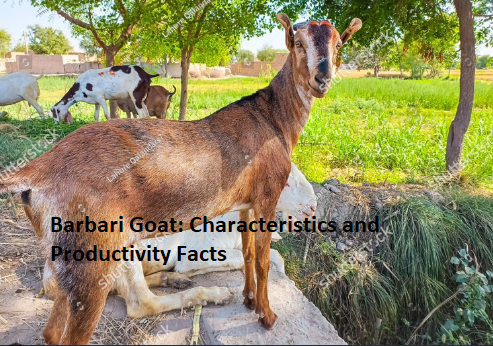
The Barbari goat is a small, versatile breed primarily found in the arid and semi-arid regions of India and Pakistan. Known for its compact frame and high adaptability, this breed has become a staple for small-scale farmers who prioritize efficient meat and milk production.
Understanding the specific traits of the Barbari goat helps prospective breeders determine if this animal fits their agricultural goals. By examining its physical stature, reproductive rate, and nutritional requirements, you can gauge the long-term viability of keeping this breed in your herd.
Key Breed Specifications
The Barbari goat is famous for its compact size, which makes it remarkably easy to manage in confined or stall-fed systems.
Adult males typically weigh between 35 and 45 kilograms, while adult females generally range from 25 to 30 kilograms. Their most recognizable physical features include short, upright ears, a diverse color palette—often white with light brown patches—and a straight facial profile.
Because of their small stature, they require less space than larger dairy breeds like the Alpine or Saanen. This makes them an ideal choice for urban or peri-urban farming operations where land availability is limited. Their ability to thrive on minimal grazing land is a direct result of their historical development in the harsh, dry climates of the Punjab and Haryana regions.
Milk and Meat Production Potential
When farmers ask about the productivity of a Barbari goat, the answer usually centers on its dual-purpose utility.
On average, a healthy doe produces between 0.75 and 1.0 liters of milk per day under standard feeding conditions. While this volume is lower than specialized dairy breeds, the milk is highly valued for its high fat content and digestibility.
Regarding meat production, this breed is highly regarded for its tender, lean, and flavorful carcass. They reach maturity relatively quickly, allowing farmers to turn over their stock in a shorter timeframe compared to larger, slower-growing breeds. The dressing percentage—the ratio of carcass weight to live weight—often reaches 50% to 55%, which is quite competitive for a small-framed animal.
Comparative Productivity Overview
| Feature | Barbari Goat | Standard Large Breed |
| :— | :— | :— |
| Average Daily Milk | 0.8 Liters | 2.5 – 3.5 Liters |
| Dressing Percentage | 52% | 48% |
| Adult Female Weight | 28 kg | 60+ kg |
| Feed Efficiency | High | Moderate |
Reproductive Performance and Breeding
The reproductive efficiency of the Barbari goat is perhaps its most significant economic advantage. These animals are known for their frequent kidding intervals, often producing two crops of kids in a 14-month period. It is common for a single doe to give birth to twins or even triplets, which significantly boosts the annual output of a small farm.
This high fecundity ensures that the herd size can be expanded rapidly without the need for significant capital investment in new stock. Breeders often look for females that exhibit consistent “twinning” traits to maximize their profit margins. Proper management of the breeding cycle is essential, as the high reproductive load requires adequate mineral and protein supplementation for the does.
Nutritional and Grazing Habits
Barbari goats are prolific browsers that can thrive on a wide variety of plant species, including shrubs, weeds, and tree leaves.
This dietary flexibility allows them to find sustenance in areas where other livestock might struggle to maintain body condition. Because they are not solely dependent on high-quality pasture, they are often considered low-input animals.
However, relying exclusively on poor-quality forage will limit their growth and milk production. To achieve the best results, farmers should provide a balanced diet that includes concentrated feed, hay, and access to fresh water. Providing a balanced nutritional program through the Food and Agriculture Organization guidelines is the best way to ensure long-term herd health.
Housing and Management Requirements
Housing for this breed does not need to be elaborate, but it must provide protection from extreme weather and predators.
Because they are sensitive to damp, cold conditions, their shelter should be elevated and well-ventilated to prevent respiratory issues. A simple wooden or concrete structure with a dry bedding area is generally sufficient for a small flock.
* Shelter: Keep floors dry to prevent hoof rot and parasite accumulation.
* Space: Allocate at least 1.5 square meters per adult goat in a stall-fed system.
* Hygiene: Regularly clean troughs to prevent the spread of common goat diseases.
* Health: Schedule routine deworming and vaccination based on local veterinary advice.
Economic Viability for Small Farmers
The Barbari goat offers a lower barrier to entry for new farmers due to its modest price point and simple maintenance requirements. Because they consume less feed per head than larger cattle or goats, the overhead costs remain manageable for those operating on a tight budget. Many farmers find that the income generated from selling kids for meat provides a consistent cash flow throughout the year.
Furthermore, their small size makes them easier to handle for women and younger family members who may not have the physical strength to manage larger livestock. By focusing on stall-feeding or intensive management, owners can prevent the environmental degradation often associated with overgrazing. This makes the breed a sustainable choice for those looking to implement regenerative agriculture practices on small plots of land.
Common Health Challenges
While the Barbari goat is generally robust, it is not immune to common caprine ailments.
Parasitic infections, particularly gastrointestinal worms, represent the most frequent threat to herd productivity. Implementing a strict rotational grazing or stall-feeding schedule helps mitigate the risk of larvae ingestion from contaminated pastures.
Pneumonia is another concern, especially in regions with high humidity or extreme temperature fluctuations. Keeping the goats dry during monsoon seasons and ensuring they are not exposed to direct cold drafts will significantly reduce mortality rates.
Regular monitoring of the herd’s appetite and activity levels allows for early detection of illnesses before they spread to other animals.
Frequently Asked Questions
What is the primary advantage of keeping a Barbari goat?
The primary advantage is their high reproductive rate and dual-purpose efficiency. They are capable of producing meat and milk on limited feed, making them ideal for low-cost, small-scale farming.
How often do these goats give birth?
They are known for their high fecundity and can produce two kidding cycles within a 14-month period. It is very common for them to deliver twins or triplets, which helps grow a herd size quickly.
Are they suitable for milk production?
Yes, they are suitable for household-level milk production. While the daily yield is modest, typically under one liter, the milk is highly nutritious and contains a high percentage of fat, making it excellent for home consumption.
Do they require a lot of land to graze?
No, they are excellent browsers and do not require vast pastures. They can be effectively managed in stall-fed systems, which makes them highly suitable for farmers with limited land or urban settings.
What is the typical lifespan of this breed?
Under good management and with proper veterinary care, a healthy Barbari goat can live for 10 to 12 years. Their productive years usually span from the age of one until they are about seven or eight.
Conclusion
The Barbari goat remains a top choice for small-scale agriculturalists who need a reliable, hardy, and productive animal. By focusing on their natural strengths—such as their high reproductive output and efficient feed conversion—farmers can maintain a sustainable and profitable herd. Whether you are looking to supplement your family’s food supply or establish a small commercial venture, this breed provides the versatility needed to succeed.
To get started, evaluate your local climate and available feed resources to ensure you can provide the basic necessities for your animals. Connect with local breeders to source healthy foundation stock and prioritize a preventative health program from day one. Investing in the well-being of your Barbari goat today will pay off in consistent productivity and herd growth for years to come.
