

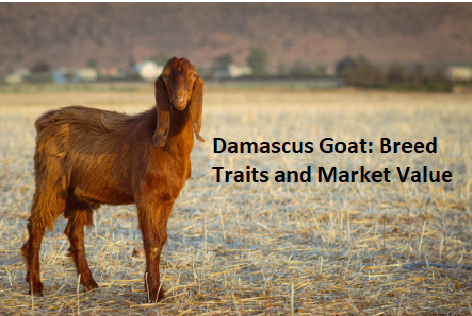
The Damascus goat, often recognized by its striking and unconventional facial features, represents a unique lineage in the world of livestock. Originating from the Middle East, this breed has gained significant attention in recent years for its aesthetic appeal and historical significance.
Enthusiasts and breeders frequently discuss its distinct profile, which sets it apart from more common dairy or meat goat varieties. Understanding the reality behind this breed requires looking past viral images and examining the actual biological and economic factors that define its existence.
The market price for a Damascus goat typically ranges from $5,000 to over $60,000, depending heavily on the animal’s lineage, physical conformation, and pedigree. While high-end show specimens command these premium prices, the cost for a standard, non-pedigreed goat is significantly lower, often falling into the $500 to $2,000 range.
These figures are driven by a niche market of collectors and breeders who value specific physical traits, such as the convex nose profile and long, pendulous ears. Because this is a specialty breed, there is no standardized global pricing, leading to wide variations based on local demand and individual breeder reputation.
Understanding the Unique Morphology
The most defining characteristic of the Damascus goat is its unusual head shape, which features a highly convex nasal bone. This trait, often described as a “roman nose,” is a result of selective breeding over centuries in the Levant region.
Breeders prioritize this specific facial structure, which often gives the animal a look that many find alien or striking. Despite the dramatic appearance, this anatomy does not typically hinder the animal’s ability to breathe or graze effectively.
Another key feature is the breed’s exceptionally long, drooping ears. These ears can reach lengths of over a foot, hanging gracefully along the sides of the face.
In many cases, breeders will trim or shape the ears for show purposes to maintain the breed standard. This physical trait is not merely aesthetic; it is a hallmark of the breed’s purity and is highly scrutinized in competitive exhibitions.
Historical Context and Origins
The Damascus goat, historically known as the Shami goat, has been an integral part of agricultural life in Syria, Lebanon, and Cyprus for generations. It has been prized for its dual-purpose capabilities, providing both high-quality milk and meat for local populations.
The breed is well-adapted to the arid climates of the Middle East, showing resilience in harsh environmental conditions. Its hardiness and ability to thrive on sparse vegetation have made it a reliable asset for farmers who cannot maintain more delicate breeds.
Efforts to preserve the genetic integrity of the breed have intensified as international interest has grown. Organizations like the Food and Agriculture Organization track the status of various livestock breeds, including the Shami.
By maintaining pure bloodlines, breeders ensure that the defining characteristics of the Damascus goat remain consistent for future generations. This historical preservation is the primary driver behind the high valuations seen in elite breeding circles today.
Care and Management Requirements
Raising this breed requires a specialized approach, particularly regarding nutrition and housing. Because of their unique facial structure, they may require specific feeding troughs that allow them to reach feed comfortably without straining their necks.
High-quality forage, combined with mineral supplements, is essential for maintaining their health and the luster of their coat. Breeders must also be diligent about parasite control, as the breed’s long ears can sometimes trap moisture and debris if not properly monitored.
Housing should be clean, dry, and well-ventilated to prevent respiratory issues. While they are hardy, they are not immune to the common ailments that affect all caprine species.
Regular veterinary check-ups are mandatory to ensure that the herd remains free of contagious diseases. When managed correctly, these animals can be quite productive, with some does producing significant quantities of milk daily, which is often used for high-end cheese production in their native regions.
Economic Potential for Breeders
The investment in a high-quality Damascus goat can be substantial, but the potential for return is equally high for those who understand the market. Many breeders focus on producing animals that meet strict show standards, as these individuals sell for the highest premiums.
Success in this field requires deep knowledge of genetics and a strong network within the agricultural community. Participation in regional and international livestock shows is often the primary way to establish a reputation and drive up the value of one’s stock.
| Category | Estimated Value (USD) |
|---|---|
| Standard Non-Pedigreed | $500 – $2,000 |
| High-Quality Breeding Stock | $5,000 – $15,000 |
| Elite Show-Winning Specimen | $25,000 – $60,000+ |
Common Misconceptions and Reality
Viral media often portrays the Damascus goat as a monstrous or deformed creature, which is a significant departure from the reality of the breed. These images are often highly edited or feature extreme specimens that have been groomed specifically for a distorted look.
In reality, a well-bred individual is a balanced, healthy animal with a clear function in its native ecosystem. The “deformity” is simply an extreme expression of a breed standard that has been refined over hundreds of years.
Furthermore, these animals are not inherently dangerous or aggressive. Like any other goat, their temperament is largely determined by their upbringing and level of socialization.
Owners who handle their animals regularly from a young age find them to be docile and manageable. It is important to separate internet sensationalism from the practical reality of farm animal husbandry.
Breeding for Specific Traits
Genetic selection is the cornerstone of maintaining the Damascus goat population. Breeders carefully choose pairs to accentuate desired traits like the length of the ears and the curvature of the nose.
This process involves tracking pedigrees back several generations to avoid inbreeding and ensure the health of the offspring. Advanced breeders may use genetic testing to identify markers for specific physical characteristics, allowing for more precise breeding outcomes.
- Select for balanced facial structure to ensure the animal can breathe and eat easily.
- Prioritize temperament to make handling and grooming more efficient.
- Monitor milk production rates to maintain the breed’s dual-purpose utility.
- Maintain records of ear length and growth patterns for show consistency.
- Ensure environmental adaptability is not lost in the quest for aesthetic perfection.
The Future of the Breed
As global interest continues to grow, the Damascus goat is likely to see an increase in its geographical distribution. While currently concentrated in the Middle East, breeders in other parts of the world are beginning to import and raise these animals.
This expansion brings both opportunities and challenges, as the breed must adapt to diverse climates and regulatory environments. The long-term success of the breed will depend on balancing the demand for aesthetic traits with the need to maintain functional health and hardiness.
Research into the breed’s genetics is also ongoing, which could lead to better management practices and improved disease resistance. As more data becomes available, the industry will likely become more transparent, helping to stabilize prices and reduce the mystery surrounding these animals. For those interested in this unique breed, the path forward involves a commitment to education, ethical breeding, and a deep respect for the history of the animal.
Frequently Asked Questions
Why are Damascus goats so expensive?
The price is primarily driven by rarity and the intense selective breeding required to achieve the specific physical traits desired in the show ring. High-end animals are treated as luxury assets, with pedigree and lineage playing a massive role in their valuation.
Are these goats difficult to care for?
They are not inherently difficult, but they do require specialized attention due to their unique anatomy. Owners must provide appropriate housing and feeding equipment to accommodate their facial structure and long ears.
Do the ears of a Damascus goat cause health problems?
While the ears are long and pendulous, they do not typically cause health issues if they are kept clean and free of parasites. Breeders often groom them to prevent debris accumulation and to maintain their appearance.
Can anyone buy a Damascus goat?
Yes, but availability is limited and often depends on your location. Most high-quality specimens are sold through private contracts or specialized livestock auctions, which can be difficult to access without the right industry connections.
What is the primary purpose of the breed?
Historically, they are dual-purpose animals, providing both milk and meat. However, in the modern international market, they are primarily bred for their aesthetic appeal and status as show animals.
Conclusion
The Damascus goat is a fascinating example of how human selection can shape the physical appearance of an animal over centuries. While the market for these goats is driven by high prices and specific aesthetic standards, the underlying reality is that they remain hardy, functional, and deeply tied to the agricultural traditions of the Middle East.
Whether you are an enthusiast interested in their history or a potential breeder looking to enter the market, understanding the balance between their unique morphology and their practical needs is essential. By focusing on ethical breeding and proper care, the future of this distinct breed remains bright, continuing to captivate those who value the intersection of history, biology, and livestock excellence.
