

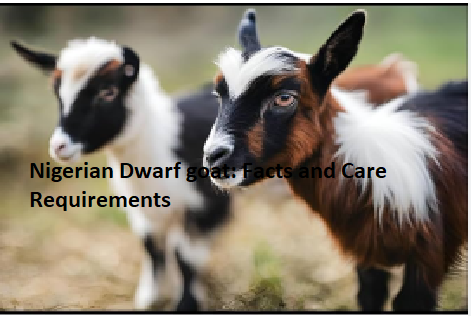
The Nigerian Dwarf goat has surged in popularity among small-scale farmers and hobbyists due to its compact size and high-quality milk production. These animals are prized for their friendly temperaments and ability to thrive on relatively small acreages. Understanding the specific needs of a Nigerian Dwarf goat is the first step toward successful ownership.
A healthy, mature Nigerian Dwarf goat typically stands between 17 and 19 inches at the withers, with a maximum allowable height of 22.5 inches for does and 23.5 inches for bucks. They generally weigh between 60 and 80 pounds when fully grown. This small stature makes them manageable for families who lack the space required for standard dairy breeds like Nubians or Alpines.
Despite their diminutive frame, they produce a surprising amount of milk, often yielding 1 to 2 quarts per day with a high butterfat content ranging from 6% to 10%. This richness makes their milk ideal for cheese and soap production.
Physical Characteristics and Breed Standards
The American Dairy Goat Association maintains the breed standard for the Nigerian Dwarf goat, which emphasizes a balanced, proportional frame. These goats are miniature dairy animals, not simply small versions of other breeds, meaning they possess the classic “dairy wedge” shape.
Their coats come in a wide variety of colors and patterns, including chamoisee, black, white, and various “broken” or spotted designs. You will often see them with blue eyes, a trait that is genetically common in the breed and highly sought after by some breeders.
Their ears are upright and alert, and their faces are usually straight or slightly dished. Because they were originally imported from West Africa, they are remarkably heat-tolerant compared to larger, thicker-coated dairy breeds.
However, their small size does not sacrifice structural integrity; a well-bred individual should have strong legs and a level back. When evaluating a goat for purchase, look for clear signs of dairy character, such as a clean neck and refined bone structure.
Housing and Fencing Requirements
Proper infrastructure is essential for keeping these goats safe from predators and weather. While they are small, they are also excellent escape artists capable of squeezing through small gaps in traditional fencing.
You should invest in 4-foot high woven wire fencing or sturdy cattle panels to keep them secure within their designated area. Barbed wire is generally discouraged as it can snag their skin and cause injury.
Inside the barn or shelter, each goat needs approximately 10 to 15 square feet of space to move comfortably. They are herd animals and should never be kept in isolation; they thrive when they have at least one companion.
The shelter must be dry, draft-free, and well-ventilated to prevent respiratory issues. During winter months, they appreciate a thick layer of straw bedding to help them retain body heat during the coldest nights.
Nutritional Needs and Dietary Management
Feeding a Nigerian Dwarf goat requires a balanced approach to ensure they remain healthy and productive. Their primary diet should consist of high-quality grass hay or alfalfa, which provides the necessary fiber for their complex digestive systems.
Avoid feeding them moldy or dusty hay, as this can lead to serious health complications like pneumonia or bloat. You can find detailed guidelines on livestock nutrition through the eXtension Foundation, which provides research-based information for small-scale animal management.
In addition to forage, you must provide free-choice loose minerals specifically formulated for goats. Do not use sheep minerals, as these often contain levels of copper that are toxic to goats.
Clean, fresh water is the most important component of their daily intake; a single goat can drink over a gallon of water per day, especially during the summer. You may offer a small amount of dairy-quality grain during the milking season, but be careful not to overfeed, as obesity is a common issue in pet or non-working goats.
Health Maintenance and Preventative Care
Routine medical care is non-negotiable if you want to keep your herd thriving for years. You must establish a relationship with a local veterinarian who has experience with small ruminants.
Common health tasks include regular hoof trimming, which should occur every 6 to 8 weeks to prevent lameness and infections. You should also monitor for internal parasites, which are a major concern in many climates.
Vaccination schedules typically involve a CD&T vaccine, which protects against enterotoxemia and tetanus. This is usually administered annually to adults and in a series to kids.
Keep a close eye on their FAMACHA scores, a method that uses the color of the lower eyelid to check for signs of anemia caused by barber pole worms. Early detection of health issues is much easier when you spend time observing your goats’ normal behavior every single day.
Comparison of Common Dairy Goat Breeds
When choosing a breed, it is helpful to see how the Nigerian Dwarf compares to other common options in terms of size and output.
| Breed | Avg. Height (Inches) | Milk Yield (Daily) | Primary Use |
|---|---|---|---|
| Nigerian Dwarf | 17–22 | 1–2 Quarts | Home Dairy/Pets |
| Nubian | 30+ | 1–2 Gallons | Commercial Dairy |
| Alpine | 30+ | 1.5–2.5 Gallons | Commercial Dairy |
| Pygmy | 16–22 | Minimal | Meat/Pets |
Common Challenges for New Owners
While they are generally hardy, there are several drawbacks that potential owners should anticipate before bringing them home. They are highly social, which means they can be very vocal if they feel lonely or bored.
If you live in an area with strict noise ordinances, you may need to consider the impact of a bleating goat on your neighbors. Furthermore, their curiosity often leads to destructive behavior, such as chewing on wooden fences or stripping bark off young trees.
Managing their breeding cycle is another task that requires significant commitment. Does come into heat every 18 to 21 days during the breeding season, and managing a buck requires separate housing to prevent unwanted pregnancies.
If you are not prepared to handle kids, you must be diligent about keeping the sexes separated. It is also important to note that they are susceptible to common goat diseases like CAE and CL, so always purchase from tested, disease-free herds.
Frequently Asked Questions
Is a Nigerian Dwarf goat a good pet?
Yes, they are excellent pets due to their small size and affectionate nature. They are highly intelligent and can even be trained to walk on a leash or perform simple tricks. However, they require significant time and attention, and they must have a companion to remain happy.
Why are Nigerian Dwarf goats so expensive?
The price often reflects the quality of the bloodline, the milk production records of the parents, and the status of the breeder. Registered animals with superior conformation and high milk yields command higher prices than unregistered or pet-quality goats. Additionally, the costs associated with health testing and high-quality feed are often built into the purchase price.
What are the main disadvantages of owning them?
The primary downsides include their tendency to be loud when unhappy and their ability to escape through small holes. They also require regular, labor-intensive care such as hoof trimming and parasite management. If you are unable to provide a secure, predator-proof environment, they are at high risk for injury or death.
How much milk can I expect per year?
While daily yield is typically 1 to 2 quarts, a well-managed doe can produce between 300 and 600 pounds of milk in a standard 305-day lactation period. This amount varies significantly based on the individual goat’s genetics, the quality of their diet, and how often they are milked.
Do they require special winter care?
In cold climates, they need a draft-free, dry shelter with plenty of bedding. Because they are small, they have a larger surface-area-to-volume ratio than larger goats, meaning they lose body heat more quickly. Providing high-quality hay helps them generate internal body heat through the fermentation process in their rumen.
Summary and Getting Started
The Nigerian Dwarf goat is a rewarding animal for those who value both utility and companionship. By providing appropriate housing, a balanced diet, and consistent health monitoring, you can enjoy the benefits of their high-quality milk and their playful personalities for many years. If you are just starting out, begin by visiting local farms or attending agricultural shows to talk with experienced breeders.
* Ensure you have at least two goats to prevent loneliness.
* Check local zoning laws before building a shelter.
* Research breeders in your area who perform disease testing.
* Stock up on high-quality hay and goat-specific mineral blocks.
Owning these goats is a long-term commitment that requires patience and a willingness to learn. Start small, focus on the health of your initial herd, and expand only when you feel confident in your management skills. Whether you are interested in home-produced dairy or simply want a gentle companion for your land, these animals bring a unique charm to any small farm setting.
