

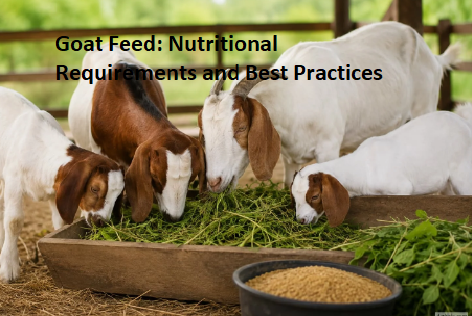
Selecting the right goat feed is the most important factor in maintaining a healthy, productive herd. Whether you are raising dairy goats for milk, meat breeds for market, or keeping a few companions for brush control, their digestive systems require specific balance. Goats are ruminants with complex stomachs, meaning they thrive on forage but need targeted supplementation based on their life stage and activity level.
The primary requirement for all goats is high-quality forage, which should make up at least 75% of their daily intake. You must provide access to clean grass hay, alfalfa, or pasture to keep their rumen functioning properly.
Grains and specialized concentrates are intended only as a supplement to fill nutritional gaps, not as a replacement for fiber. If you rely too heavily on concentrates, you risk serious metabolic issues like acidosis or urinary calculi.
Understanding Ruminant Digestion and Forage Needs
Goats are browsers by nature, not just grazers like sheep or cattle. They prefer to eat leaves, shrubs, and weeds rather than just grass, which makes them highly efficient at clearing brush.
Because of this, their digestive tracts have evolved to process high-fiber plant material effectively. When you provide goat feed that lacks sufficient long-stem fiber, you disrupt the natural fermentation process.
A healthy rumen relies on the physical scratching of the stomach lining by fibrous material to maintain motility. If your goats eat only soft, processed pellets, the rumen can become sluggish or even stop functioning.
Always ensure they have free-choice access to quality hay, especially during winter months when pasture growth is dormant. Alfalfa is a popular choice for milking does because it provides extra protein and calcium, but it can be too rich for wethers or dry does.
Energy and Protein Demands by Life Stage
The nutritional profile of your goat feed must shift depending on the animal’s current role. A growing kid has vastly different requirements than a mature buck or a pregnant doe.
You cannot feed a “one size fits all” ration to a diverse herd without risking health problems. Young, rapidly growing goats need higher protein levels to support muscle and bone development.
Lactating does represent the highest nutritional demand on your farm. They are putting massive amounts of energy into milk production and require concentrated calories to prevent weight loss.
Conversely, a mature wether needs very little beyond good hay and minerals. Overfeeding energy to a sedentary goat leads to obesity, which causes joint stress and reproductive failure.
| Goat Category | Primary Need | Protein Requirement |
|---|---|---|
| Growing Kids | Muscle and Bone | 16% – 18% |
| Lactating Does | Milk Production | 14% – 16% |
| Dry Does | Maintenance | 10% – 12% |
| Mature Bucks | Maintenance | 10% – 12% |
Essential Minerals and Supplements
Minerals are often the most overlooked component of a balanced diet. Goats have specific needs for copper, selenium, and zinc that are rarely met by forage alone.
You must provide a loose, goat-specific mineral mix at all times. Do not use sheep minerals, as they often lack the copper goats need and may contain levels toxic to sheep.
Salt blocks are generally insufficient because goats cannot consume enough from a hard block to meet their daily requirements. A loose mineral supplement allows them to consume what they need based on their intake of other feeds.
Keep these minerals in a dry, protected spot to prevent spoilage from rain or humidity. A lack of proper minerals often manifests as rough coats, poor growth, or reproductive issues.
Ingredients to Avoid in Goat Feed
Certain items that seem like harmless treats can be dangerous for goats. Never feed moldy hay or grain, as it can cause listeriosis or other severe bacterial infections.
Avoid feeding kitchen scraps unless you are absolutely certain they are safe, as many household plants are toxic to ruminants. Onions, garlic, and nightshade family plants can cause significant distress.
You should also be cautious with urea-based supplements. Urea is a non-protein nitrogen source often used in cattle feed, but it can be toxic to goats if they consume too much too quickly.
Always check the ingredient label on any bag of commercial feed. If you are unsure about a specific plant or supplement, consult the USDA Animal and Plant Health Inspection Service for guidelines on safe livestock management.
The Role of Concentrates and Grains
Grains act as a supplemental energy boost rather than a dietary staple. Oats, barley, and corn are common ingredients in commercial goat feed mixes.
Use these sparingly to manage body condition, especially during cold weather when extra calories help maintain body heat. If you notice a goat starting to lose weight, increase their grain intake gradually over several days.
Abrupt changes to a goat’s diet can trigger enterotoxemia, a deadly condition caused by the overgrowth of Clostridium bacteria in the gut. Always transition to a new type of feed by mixing it with the old ration over a period of 7 to 10 days.
This gives the rumen microbes time to adjust to the new nutritional profile. Small, frequent feedings are always safer than one large, heavy serving.
Water and Hydration Factors
Clean water is technically the most important part of any goat’s nutritional intake. A goat that does not drink enough will quickly stop eating, leading to a rapid decline in condition.
In the winter, water should be kept ice-free, as goats are notoriously picky about drinking freezing water. If they are dehydrated, their rumen cannot process fiber effectively, leading to impaction.
* Provide fresh water daily.
* Clean troughs weekly to remove algae and debris.
* Ensure the water source is located away from manure piles.
* Check for electrical currents in heated waterers to prevent shock.
* Monitor intake during hot summer months for signs of heat stress.
Monitoring Body Condition Scores
You should regularly assess your goats using a body condition score system. This method involves feeling the ribs, spine, and sternum for fat coverage.
A goat with a score of 1 is dangerously thin, while a score of 5 is obese. Aim for a score of 3 for most of your herd to ensure they are healthy and productive.
If you find that your goats are consistently scoring too low, evaluate the quality of your hay first. Often, the issue is not the amount of grain but the protein and energy density of the forage.
Conversely, if your goats are too fat, cut back on grains and increase their access to browse. Regular observation is the best tool you have for adjusting your feeding strategy in real-time.
Frequently Asked Questions
What is the best way to determine if my goat is getting enough feed?
The most reliable method is to perform a body condition score check every two weeks. If the spine and ribs are easily visible, the animal needs more calories. If you cannot feel the ribs through a layer of fat, you need to reduce their grain intake immediately.
Do goats need grain if they have good pasture?
Most goats on high-quality, abundant pasture do not require any grain at all. Grain is primarily used for lactating does, growing kids, or during periods of winter stress. If your goats are maintaining a healthy body condition on grass, save your money and skip the grain.
Can I feed my goats chicken feed?
No, you should never feed poultry feed to goats. Chicken feed often contains medications like coccidiostats that are safe for birds but can be toxic to goats. Additionally, the nutritional balance is entirely wrong for a ruminant’s digestive system.
Why is copper so important for goats?
Copper is essential for a goat’s immune system, coat health, and reproductive function. Without sufficient copper, goats may experience “fish tail” hair loss, anemia, and poor growth rates. Always ensure your mineral supplement is formulated specifically for goats to get the right levels.
How do I know if my hay is of good quality?
Good hay should be green, leafy, and smell fresh without any signs of mold or dust. Avoid hay that is stemmy, brown, or contains excessive weeds, as these provide very little nutritional value. When in doubt, you can have your hay tested by a local agricultural extension office for protein and mineral content.
Conclusion
Managing goat feed is a balance of providing high-quality fiber while supplementing with the right amount of energy for your herd’s specific needs. By prioritizing forage, offering appropriate mineral supplements, and monitoring body condition scores, you can ensure your animals remain healthy and productive throughout the year. Remember that consistency is key; avoid sudden changes to their diet and always provide access to clean, fresh water.
If you are just starting out, observe your goats closely and don’t be afraid to adjust your approach as you learn the unique needs of your specific breeds. Taking the time to understand the nuances of their digestive health will pay off in lower veterinary costs and better overall herd performance. Reach out to local agricultural experts if you notice sudden weight changes or health declines, and keep refining your feeding program based on the results you see in the field.
