

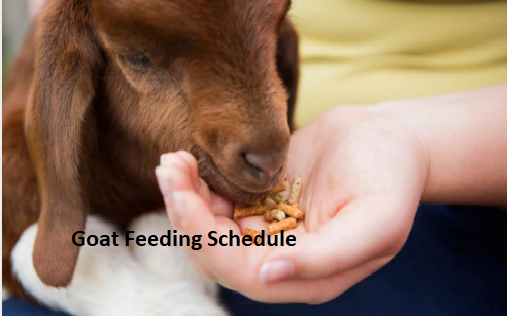
Managing a proper goat feeding schedule is the cornerstone of maintaining a healthy, productive herd. Whether you are raising dairy goats for milk, meat goats for market, or keeping them as companions, consistent nutrition is what determines their growth, immune function, and overall longevity.
Goats are ruminants with complex digestive systems designed to process fibrous plant material throughout the day. A healthy adult goat generally requires 2 to 4 pounds of dry forage per 100 pounds of body weight daily.
For most producers, this means providing constant access to high-quality pasture or hay, supplemented by minerals and water. If you are raising kids, the schedule shifts significantly, requiring more frequent, smaller meals of milk or replacer until they are fully weaned.
The Biological Basis for Your Feeding Routine
Goats are browsers rather than grazers, meaning they prefer to eat leaves, twigs, and shrubs over short grass. Their rumen is a massive fermentation vat that relies on a steady stream of forage to keep beneficial bacteria thriving. When you feed them on a strict, predictable schedule, you stabilize the rumen pH.
Sudden changes in diet or long gaps between feedings can cause acidosis or bloat. If a goat stops eating for an extended period, the microbial population in the rumen crashes, leading to severe metabolic distress. Providing free-choice hay ensures that the animal can graze at its own pace, which mimics their natural behavior in the wild.
You should aim to provide fresh forage at the same times each day if you are using a stall-based system. Most farmers opt for twice-daily feedings of grain or concentrates, usually in the morning and evening. This routine allows you to observe each goat’s appetite closely, which is often the first indicator of illness.
Feeding Kids: The First Eight Weeks
Bottle-fed kids require a highly structured feeding regimen to thrive and avoid digestive upsets. In the first two weeks, a kid typically needs 4 to 6 ounces of milk four times per day. As they grow, you gradually increase the volume while reducing the frequency of feedings.
By the time a kid reaches four weeks of age, they can usually transition to three feedings per day. It is vital to keep milk temperature consistent, ideally around 100 to 102 degrees Fahrenheit. Feeding cold milk can lead to chilling and digestive issues in young animals.
Always introduce high-quality hay and fresh water to kids by the end of their second week. Even if they are still nursing, they will begin nibbling on forage, which helps jumpstart rumen development. Weaning is typically completed by eight to ten weeks, depending on the kid’s weight and interest in solid food.
Nutritional Requirements by Life Stage
The nutritional density of your goat’s diet must match their current physiological state. A dry doe, a lactating doe, and a growing buck all have vastly different requirements for protein and energy. Lactating does, in particular, need significantly higher levels of calcium and phosphorus to support milk production.
Energy levels should be monitored closely during the winter months when pasture is dormant. During this time, the goat’s energy expenditure increases just to maintain body heat. You may need to increase the daily hay ration by 10 to 20 percent to prevent weight loss during cold spells.
| Goat Stage | Primary Feed Focus | Protein Requirement |
|---|---|---|
| Maintenance (Dry Doe) | High-quality grass hay | 8-10% |
| Lactation | Legume hay + grain mix | 14-16% |
| Growth (Kids) | Milk/Replacer + creep feed | 16-18% |
| Late Pregnancy | Energy-dense forage | 12-14% |
Managing Forage and Hay Quality
Forage is the foundation of any goat feeding schedule, and its quality dictates the health of your herd. Legume hays, such as alfalfa or clover, are excellent for lactating does due to their high protein and calcium content. Grass hays are generally better for maintenance or dry does, as they prevent unnecessary weight gain.
Always inspect your hay for mold, dust, or weeds before feeding. Goats are notoriously picky eaters and will often refuse to eat hay that has been contaminated by their own urine or feces. Using a raised hay feeder can reduce waste by up to 30 percent compared to feeding directly on the ground.
If your pasture is overgrazed, you must supplement with hay regardless of the season. Relying solely on poor-quality pasture will lead to mineral deficiencies and stunted growth. For deeper insights into ruminant nutrition, consult the resources provided by the Penn State Extension livestock program.
The Role of Minerals and Supplements
Goats require a specific balance of minerals that is rarely met by forage alone. You must provide a loose, goat-specific mineral mix free-choice at all times. Do not use sheep minerals, as they often lack the copper that goats require for healthy coat and immune function.
Salt is the primary driver of mineral consumption, so ensure the block or loose mix is palatable. Goats will regulate their own intake based on their body’s needs. If you see them aggressively consuming minerals, it may indicate a deficiency in their primary forage source.
Avoid feeding excessive amounts of kitchen scraps or sugary treats. These can disrupt the delicate balance of the rumen and lead to obesity or metabolic disorders. Treats should never exceed 5 percent of the total daily caloric intake.
Troubleshooting Common Feeding Issues
One of the most frequent problems producers encounter is the “picky eater” syndrome. Goats often pull hay out of the feeder and trample it, leading to significant waste. If you notice this, try smaller, more frequent feedings rather than one large dump of hay.
Obesity is another common issue, especially in wethers or companion goats. If your goats are becoming too round, restrict access to high-energy grains and focus on coarse, stemmy grass hay. Body condition scoring is a helpful tool to assess whether your feeding schedule is working.
If you find that a goat is losing weight despite a consistent feeding schedule, check for parasite loads. Internal parasites are the number one cause of poor condition in goats, regardless of the quality of the feed. Always perform a fecal egg count before assuming that the diet is the problem.
Seasonal Adjustments to Your Schedule
Your goat feeding schedule should evolve with the seasons to account for natural fluctuations in available nutrients. During the spring flush, pasture grass is high in protein but low in dry matter. You may need to offer some dry hay to help balance the moisture content in the gut and prevent diarrhea.
Autumn requires preparation for winter, often involving an increase in caloric intake. As the days shorten, goats naturally start to prepare for the breeding season, which requires higher energy reserves. Ensure that your breeding does are in good body condition before they are exposed to the buck.
Winter is the most challenging time for any herd manager. You must ensure that the water supply does not freeze, as goats will drastically reduce their feed intake if they are dehydrated. A heated water trough can make a significant difference in maintaining consistent consumption levels during sub-zero temperatures.
- Provide fresh, clean water at all times.
- Use a raised feeder to minimize waste.
- Monitor body condition scores monthly.
- Keep mineral licks protected from rain.
- Isolate sick goats to monitor their intake.
Frequently Asked Questions
What is the best time of day to feed goats?
Consistency is more important than the specific hour. Most farmers find that feeding twice a day, once in the early morning and once in the late afternoon, fits best with animal behavior and farm management.
Do goats need grain to be healthy?
Not necessarily. Many goats can thrive on high-quality forage and minerals alone, provided they are not lactating or growing rapidly. Grain is generally reserved for animals with higher energy demands.
How do I know if my goat is eating enough?
Monitor their body condition score by feeling the spine and ribs. A healthy goat should have a thin layer of fat covering the bones. If the ribs are sharp and prominent, they likely need more high-quality calories.
Can goats eat all night?
Goats are natural browsers and will eat throughout the day and night if food is available. Providing free-choice hay ensures they have access to fiber whenever their digestive system requires it, which is the most natural way to feed them.
How much water does a goat need daily?
An adult goat typically drinks between 1 and 3 gallons of water per day. This amount can increase significantly during hot weather or if the goat is producing milk, so always ensure the water source is reliable and clean.
Final Thoughts on Herd Management
Mastering a consistent goat feeding schedule is a journey of observation and adjustment. By paying attention to the specific needs of your animals, you ensure they remain healthy and productive throughout their lives. Remember that the goal is to mimic their natural browsing behavior as closely as possible while providing the necessary mineral and caloric support for their stage of life.
Start by establishing a routine that works for your daily schedule and stick to it. Watch how your herd responds to different types of forage and adjust your quantities based on their body condition. With time, you will develop an intuitive sense of what your goats need to thrive.
If you ever have concerns about their weight or health, do not hesitate to reach out to a local veterinarian. Managing a healthy herd is a rewarding endeavor that begins with the simple, daily act of providing proper nutrition.
