

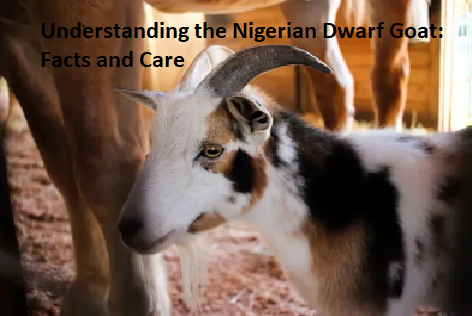
The Nigerian Dwarf goat has gained immense popularity among small-scale farmers and hobbyists due to its manageable size and high-quality milk production. Originating from West Africa, these animals were originally transported to the United States as food for big cats in zoos, but they quickly became prized companions and dairy producers.
Choosing to keep a Nigerian Dwarf goat requires an understanding of their specific nutritional needs, social behaviors, and space requirements. By focusing on these core elements, you can ensure a healthy and productive life for your small herd while enjoying the unique benefits these charming animals provide to a homestead or small farm.
Average Height and Weight Standards
A common question for prospective owners is exactly how large these animals grow once they reach maturity. According to the American Nigerian Dwarf Dairy Association, a mature doe should stand no taller than 22.5 inches at the withers, while bucks are allowed to be slightly taller at 23.5 inches. These height restrictions are strictly enforced in breeding programs to maintain the breed’s signature compact stature.
In terms of weight, a healthy adult typically falls between 60 and 80 pounds depending on their frame and diet. Some individuals may reach up to 100 pounds if they are particularly sturdy or prone to weight gain, but excessive weight is generally discouraged for their long-term joint health.
Their small frame makes them much easier to handle than standard dairy breeds like the Alpine or Nubian. This ease of handling is a major reason why families often prefer this breed over larger, more physically demanding livestock.
Milk Production Capabilities
Despite their diminutive size, the Nigerian Dwarf goat is a powerhouse when it comes to dairy output. You can expect a healthy doe to produce between 1 to 2 quarts of milk per day during her peak lactation cycle. Their milk is highly regarded for its rich composition, often containing higher butterfat content than that of larger breeds.
This elevated butterfat, typically ranging from 6% to 10%, makes their milk ideal for creating high-quality cheese, yogurt, and even soap. Because the milk is so creamy, it often tastes sweeter and less “goaty” than milk from other breeds, which is a major selling point for those new to goat dairy.
Proper nutrition is the primary driver of these high production numbers. If you do not provide high-quality forage and a balanced mineral supplement, you will likely see a significant dip in the quantity and quality of the milk.
Temperament and Suitability as Pets
Many people are drawn to this breed because of their notoriously gentle and playful personalities. They are highly intelligent animals that form deep bonds with their human handlers, often acting more like dogs than livestock. Because they are so social, you must never keep one in isolation; they require at least one other goat companion to stay mentally healthy.
When socialized from a young age, they are generally very docile and make excellent additions to farms with children. However, you should always supervise interactions, as their energetic nature can lead to accidental bumps or knocks.
They are also curious by nature and will investigate anything new in their environment, which means your fencing needs to be secure. If they find a weakness in your perimeter, they will exploit it to explore the surrounding area.
Dietary Needs and Nutrition
Feeding a goat correctly is the most important factor in preventing common health issues like urinary calculi or bloat. Their diet should consist primarily of high-quality grass hay, which provides the necessary fiber for their complex digestive systems. Avoid feeding them excessive amounts of grain, as this can lead to obesity and metabolic disorders that are difficult to treat.
Clean, fresh water must be available at all times, as a goat that is not drinking enough will quickly stop producing milk and may develop kidney stones. You must also provide a loose mineral supplement specifically formulated for goats.
Sheep minerals or generic livestock blocks are often insufficient or even dangerous because they may contain copper levels that are toxic to goats. Regular monitoring of their body condition score will help you adjust their feed intake before they become underweight or overweight.
Housing and Fencing Requirements
While they are small, these animals still require a dry, draft-free shelter that protects them from rain, snow, and extreme temperatures. A simple three-sided shed is often enough in mild climates, but colder regions require a fully enclosed barn. The floor should be kept clean and dry, usually with a thick layer of straw or wood shavings to provide insulation and comfort.
Fencing is arguably the most challenging aspect of goat management because these animals are notorious escape artists. A standard woven wire fence at least 4 feet tall is recommended to keep them secure and keep predators out.
You should check your perimeter regularly for loose posts or gaps where a curious goat might squeeze through. If you have particularly talented climbers, you might find that adding a strand of electric wire to the top of your fence acts as a necessary deterrent.
Advantages and Disadvantages
Deciding if this breed is right for you involves weighing the clear benefits against the daily realities of animal husbandry. The following table summarizes the common trade-offs owners face when managing a herd.
| Feature | Advantage | Disadvantage |
|---|---|---|
| Space | Requires less acreage than larger breeds. | Still requires secure, predator-proof area. |
| Handling | Easier to manage for smaller individuals. | Can be jumpy and flighty if unsocialized. |
| Milk | High butterfat and cream content. | Lower total volume per milking. |
| Cost | Lower feed and housing expenses. | Initial purchase price for quality stock. |
Common Health Challenges
Health maintenance for a goat herd is a proactive rather than reactive process. Parasite control is the most frequent battle you will face, particularly with barber pole worms in warmer, humid climates. You should learn how to perform a FAMACHA score check, which involves looking at the color of the inner eyelid to estimate the animal’s anemia levels.
Hoof trimming is another essential chore that needs to be done every 4 to 8 weeks depending on the terrain and growth rate. Overgrown hooves can lead to permanent lameness and significant discomfort for the animal.
Vaccination protocols should be established in consultation with a local large-animal veterinarian. At a minimum, most owners vaccinate against enterotoxemia and tetanus, as these are common and often fatal conditions in goats.
Key Considerations for Beginners
If you are just starting out, there are several steps you should take to set yourself up for long-term success. Before bringing your first goat home, ensure you have a relationship with a veterinarian who has experience with small ruminants. Many standard vets focus on dogs and cats and may not be equipped to handle the unique medical needs of a goat.
* Purchase your animals from a reputable breeder who tests for CAE, CL, and Johne’s disease.
* Join a local goat association or online community to learn about regional challenges and resources.
* Build your shelter and fencing before you purchase the animals to avoid last-minute stress.
* Stock up on basic medical supplies like thermometer, electrolytes, and antiseptic sprays.
* Research local zoning laws to ensure you are legally allowed to keep livestock on your property.
FAQ
Is a Nigerian Dwarf goat a good pet?
They are excellent pets for those who have the time and space to dedicate to their care. Because they are social and affectionate, they form strong bonds with owners, but they require a companion of their own species to remain happy.
What are the common disadvantages of keeping these goats?
The primary disadvantages include their ability to escape through poor fencing, the need for regular parasite management, and the requirement for a constant, high-quality diet. They are also loud during breeding season and require significant daily commitment.
Why do they seem more expensive than other breeds?
High-quality Nigerian Dwarf goats are often more expensive because of their dual-purpose nature as dairy producers and show animals. Breeders invest significant time and money into genetic testing and selective breeding to ensure health and high milk quality.
How big do they get at maturity?
Adults typically stand between 17 and 22.5 inches tall at the withers. Their weight usually stays between 60 and 80 pounds, though this can vary based on individual genetics and dietary management.
Do they require special fencing compared to larger goats?
Yes, because of their small size and inquisitive nature, they can fit through smaller gaps than larger breeds. A woven wire fence is generally the best choice to keep them contained and to keep out potential predators.
Conclusion
Bringing a Nigerian Dwarf goat into your life is a rewarding experience that offers both companionship and a sustainable source of high-quality dairy. By prioritizing their need for companionship, secure housing, and proper nutrition, you can mitigate many of the common challenges associated with these animals. Their small size makes them an accessible entry point for aspiring homesteaders who want to learn the ropes of livestock management without the physical strain of larger animals.
As you begin your journey, remember that consistency is the key to a thriving herd. Observe your animals daily to catch health issues early and maintain a clean, safe environment for them to flourish.
If you are prepared for the daily responsibilities, these goats will reward you with years of productivity and charm. Reach out to local breeders or agricultural extension offices to find mentorship and support as you start your own herd.
