

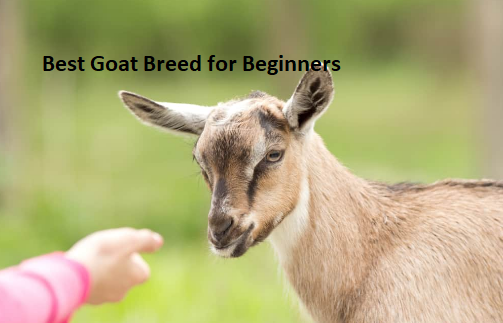
Choosing the best goat breed for beginners is a critical decision that balances your land size, your goals for keeping livestock, and your willingness to manage daily care. Many newcomers find that selecting a smaller, docile animal makes the transition into animal husbandry much more manageable than jumping straight into high-maintenance commercial breeds.
If you want a straightforward recommendation, most experienced keepers agree that the Nigerian Dwarf is the best goat breed for beginners due to its manageable size and high-quality milk production. This article explores why this breed and others stand out, helping you decide which animal fits your specific homestead setup.
The Nigerian Dwarf: The Top Choice for New Keepers
The Nigerian Dwarf is widely considered the best goat breed for beginners because of its compact stature and gentle temperament. These goats typically stand around 17 to 20 inches tall at the withers, making them far easier to handle during hoof trimming or medical exams than full-sized dairy breeds. They are famous for their high-butterfat milk, which often reaches 6% to 10% fat content, making it ideal for cheese and yogurt production.
Because they are small, they require less feed than larger goats, which is a major financial advantage for someone just starting out. A single, standard-sized dairy goat might require a significant amount of forage or hay, whereas you can keep a small herd of Nigerian Dwarfs on a modest plot of land. Their friendly nature also means they are less likely to challenge fences or exhibit aggressive behavior toward their handlers.
You will find that their milk production is impressive for their size, often yielding 1 to 2 quarts per day per doe. While this is less than a massive Saanen or Alpine, it is the perfect amount for a household to consume without the overwhelming task of processing gallons of milk every single day. They are also prolific breeders, so you may find yourself with a growing herd faster than you expect.
Pygmy Goats for Companionship and Land Management
If your primary goal is not milk production but rather weed control or having a gentle companion animal, the Pygmy goat is an excellent candidate. These goats are stocky, hardy, and known for being exceptionally sturdy in various weather conditions. They serve as a great entry point into the world of caprine behavior without the pressure of a rigorous milking schedule.
Pygmy goats are social creatures that require at least one companion, so you should always plan to buy them in pairs. They are highly intelligent and often display a playful, curious personality that makes them a joy to observe in the pasture. Their compact build means they are less likely to cause structural damage to your farm infrastructure compared to larger breeds.
Keep in mind that while they are hardy, they still require basic maintenance like annual vaccinations and regular parasite management. Because they are often treated as pets, it is easy to overfeed them, which can lead to obesity and associated health issues. You must ensure you have a proper rotational grazing plan to keep them healthy and to prevent them from overgrazing your property.
The Case for Nubians as Dairy Producers
For those who want a larger goat and are serious about high-volume milk production, the Nubian is a classic choice. They are easily recognized by their long, pendulous ears and Roman noses, which give them a distinct and charming appearance. Nubians are known for being very vocal, so they might not be the best choice if you have close neighbors.
They are generally considered the “dairy queens” of the goat world, producing a high volume of milk that is also rich in butterfat. While they are larger than the Nigerian Dwarf, they are still considered manageable for a beginner who is willing to put in the time to train them. They are often described as having a “dog-like” personality, as they tend to be very attached to their human caretakers.
You should be prepared for the fact that they are quite active and can be persistent when they want something, such as treats or attention. Their size means you will need more robust fencing, as they are capable of testing barriers if they are bored or hungry. If you have the space and the desire for consistent milk supply, the Nubian is a rewarding partner.
Comparing Common Goat Breed Traits
Understanding the differences between breeds helps you align your expectations with the reality of daily care. The following table provides a quick comparison of the most common breeds suitable for those just starting their journey into goat keeping.
| Breed | Primary Purpose | Size | Temperament |
|---|---|---|---|
| Nigerian Dwarf | Milk/Pets | Small | Docile |
| Pygmy | Pets/Weed Control | Small | Active |
| Nubian | Milk | Large | Vocal/Friendly |
| Boer | Meat | Large | Sturdy |
Essential Requirements for New Goat Owners
Regardless of the breed you choose, there are non-negotiable requirements for keeping goats successfully. You must have secure fencing, as goats are notorious for escaping through even the smallest gaps. A 4-foot-high woven wire fence is generally the gold standard, as it keeps predators out and your goats safely inside.
Nutrition is another pillar of success, and you need a consistent source of high-quality hay and clean water. Goats are browsers, not just grazers, meaning they prefer to eat leaves, brush, and weeds rather than just grass. You should provide them with a balanced mineral supplement, specifically formulated for goats, to prevent deficiencies.
Shelter is equally important to protect them from wind, rain, and extreme cold. A simple, dry, three-sided shed is sufficient in most climates, provided it is kept clean and well-bedded with straw or wood shavings. You can find detailed information on species-specific health needs at the USDA Animal and Plant Health Inspection Service portal.
* At least two goats for companionship.
* Secure, predator-proof fencing.
* Access to fresh, clean water at all times.
* A dry, draft-free shelter.
* A reliable local veterinarian experienced with small ruminants.
* A basic medical kit for common issues like bloat or hoof rot.
Understanding the Commitment of Milking
If you choose a dairy breed, you are committing to a twice-daily milking schedule once your does are in milk. This is a significant lifestyle change that requires you to be present every morning and evening, seven days a week. You cannot simply skip a milking, as this can lead to mastitis and other painful health complications for the animal.
You will also need to learn the basics of milk hygiene and handling to ensure the safety of your product. This involves cleaning the udder, using clean equipment, and chilling the milk rapidly after collection. It is a rewarding process, but it is one that demands discipline and attention to detail.
If the idea of twice-daily milking feels too intense, you might consider “once-a-day” milking, which some owners adopt after the kids are a few weeks old. This can provide a more flexible schedule while still allowing you to enjoy the benefits of fresh, home-produced dairy. Always research the specific requirements for your chosen breed to ensure you can support their physiological needs.
Managing Goat Health and Parasites
Goats are prone to internal parasites, particularly the barber pole worm, which can be devastating to a herd. You must implement a strategy for monitoring their health, often involving checking the color of their lower eyelid membranes, a method known as the FAMACHA system. This allows you to identify which animals need deworming without relying on blanket treatments that can build parasite resistance.
Hoof care is another routine task that you will perform every 4 to 8 weeks. Overgrown hooves can cause lameness and lead to infections that are difficult to treat if left unchecked. You will need a set of sharp hoof trimmers and a sturdy stand to safely hold the goat while you work on their feet.
Regular vaccination schedules should be coordinated with your veterinarian, focusing on common issues like CD&T (Clostridium perfringens types C and D, and Tetanus). Prevention is far cheaper and less stressful than trying to treat a sick animal after a crisis has already occurred. Being proactive with these health tasks is a hallmark of a responsible owner.
Planning for Herd Growth and Breeding
As you get comfortable with your goats, you may decide to grow your herd or start a breeding program. This requires careful consideration of genetics and the availability of a buck, which can be difficult to manage on a small property. Many beginners prefer to use artificial insemination or find a local breeder who offers stud services.
You must also have a plan for what to do with the offspring, whether you keep them for milk or sell them to other farms. Wethers, or castrated males, are often kept as companions or for meat production, but they do not provide milk. Having a clear vision for the future of your herd prevents you from becoming overwhelmed by too many animals.
Think about your long-term goals for your homestead and how your goats fit into that picture. Are you aiming for self-sufficiency, or is this primarily a hobby? Being honest about your capacity for labor and your financial resources will keep the experience enjoyable rather than burdensome.
Frequently Asked Questions
What is the best goat for a first-time owner?
The Nigerian Dwarf is widely considered the best choice for a first-time owner due to its small size, manageable temperament, and high-quality milk production. They are easier to handle than full-sized breeds and adapt well to smaller properties.
Is it better to have 2 or 3 goats?
You should always have at least two goats because they are herd animals and will become stressed if kept alone. Three is often better than two, as it prevents one goat from being bullied if the other is away or if one is sickly, but ensure you have space for the extra animal.
What are the best low-maintenance goats?
Pygmy goats and certain meat breeds like Kikos are often considered lower maintenance because they do not require daily milking. However, all goats require basic care such as fencing, shelter, vaccinations, and hoof trimming to stay healthy.
What is the friendliest goat breed?
Nubians are often cited as the friendliest and most people-oriented, as they tend to be very vocal and attached to their owners. However, individual personality varies significantly, and any breed can be friendly with consistent, gentle handling from a young age.
Can I keep goats in my backyard?
You can keep goats in a backyard if local zoning laws permit it and you have adequate space. You must ensure you have secure fencing, a dry shelter, and a plan for waste management to remain a good neighbor and keep your goats happy.
Conclusion
Choosing the best goat breed for beginners is the first step in a rewarding journey into animal husbandry. By focusing on manageable breeds like the Nigerian Dwarf and ensuring you have the necessary infrastructure like secure fencing and proper shelter, you set yourself up for success. Remember that goats are social, intelligent creatures that require daily attention, consistent health care, and a stable environment to thrive.
As you gain experience, you will find that the challenges of daily maintenance are far outweighed by the benefits of having these curious animals on your property. Start small, research your local regulations, and enjoy the process of learning about your new herd. The best goat breed for beginners is ultimately the one that fits your lifestyle, your space, and your personal goals for your homestead.
