

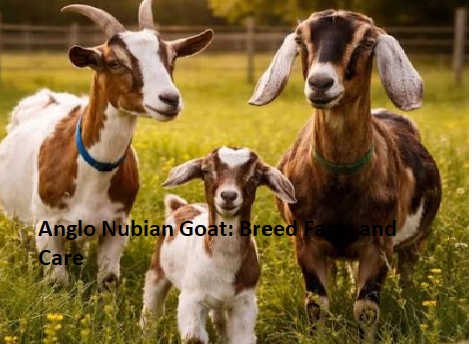
The Anglo Nubian goat is a distinctive breed known for its long, pendulous ears and high-butterfat milk production. Breeders prize these animals for their dual-purpose utility, as they are capable of producing both high-quality milk and meat.
Whether you are a smallholder looking for a productive dairy animal or an enthusiast seeking a friendly companion, understanding the breed’s history and specific care needs is essential. This article explores the unique traits, health requirements, and management practices necessary to keep these goats thriving in various environments.
Key Characteristics and Appearance
The most striking feature of an Anglo Nubian goat is its long, drooping ears that extend well past the muzzle. This trait, inherited from its Middle Eastern ancestors, gives the animal a regal and unmistakable profile. Their noses often feature a convex shape, frequently described as a Roman nose, which adds to their unique aesthetic appeal.
Coat colors for this breed are incredibly diverse and can include solid black, white, tan, or intricate patterns like roan and spotted. Unlike many other dairy breeds, they do not have a standard color requirement for registration, making every animal visually unique. Their hair is generally short, fine, and glossy, though it can thicken significantly during the colder winter months.
Physically, these goats are large and powerful, with a frame that suggests durability and stamina. A mature doe typically stands at least 30 inches tall at the withers, while bucks are significantly larger and more robust. Despite their size, they are known for a docile and curious temperament, often seeking out human interaction more than other, more skittish breeds.
Production and Utility
Farmers primarily raise the Anglo Nubian goat for its exceptional milk quality. While they may not produce the sheer volume of milk seen in some Swiss breeds, the milk is incredibly rich in butterfat and protein. This makes it a preferred choice for individuals who enjoy making artisan cheeses, yogurt, or high-quality butter at home.
The fat content in their milk typically ranges between 4% and 5%, providing a creamy texture and rich flavor profile. Because of this density, the milk is highly sought after by those who prioritize quality over pure quantity. Aside from dairy, they are also considered a dual-purpose breed, meaning they grow to a substantial size suitable for meat production.
Their ability to maintain body condition while producing milk is a testament to their hardy nature. Many owners find that these animals are easier to keep in good flesh compared to thinner, high-output dairy breeds. This versatility makes them an excellent investment for homesteads that need an animal capable of fulfilling multiple roles on the farm.
Ideal Environment and Housing
An Anglo Nubian goat is a social creature that requires a well-ventilated, dry shelter to stay healthy. Because they originate from warmer climates, they can be sensitive to extreme cold and damp conditions. A draft-free barn with deep, clean bedding is essential, especially during the kidding season when newborns are vulnerable to temperature fluctuations.
Fencing must be secure and tall enough to discourage jumping, as these animals are intelligent and prone to testing boundaries. Five-strand high-tensile wire or woven “no-climb” fencing is highly recommended to keep them safely within their designated pasture. They have a tendency to browse rather than graze, so access to brush, shrubs, and small trees is vital for their mental and physical well-being.
Environmental enrichment is also a significant factor in their care. Providing platforms, large logs, or sturdy toys helps keep these active, curious animals stimulated. A bored goat is often a destructive one, so giving them structural elements to climb on can prevent them from chewing on fences or damaging barn equipment.
Nutritional Requirements
Proper nutrition is the cornerstone of managing a healthy Anglo Nubian goat herd. They require high-quality forage, such as alfalfa or orchard grass hay, to maintain their rumen health and milk production. During lactation, a doe will need supplemental energy in the form of high-quality grain to meet the metabolic demands of nursing her kids.
Access to clean, fresh water is non-negotiable at all times. Because they produce high-butterfat milk, their hydration needs are higher than those of other livestock. A lack of water will immediately cause a drop in milk production and can lead to serious health issues like urinary calculi, particularly in bucks.
Mineral supplementation is also critical for long-term health. A loose, goat-specific mineral mix should be available free-choice, as they cannot always get necessary micronutrients from pasture alone. Proper copper and selenium levels are especially vital, as deficiencies in these minerals can lead to coarse coats, poor reproductive success, and structural weakness.
Health and Breeding Management
Maintaining the health of an Anglo Nubian goat involves a proactive approach to parasite control and preventative medicine. Because they are prone to internal parasites like barber pole worms, regular fecal egg counts are necessary to guide treatment. Rotating pastures effectively breaks the parasite life cycle and keeps the herd healthier with less reliance on chemical dewormers.
Breeding these goats requires careful planning to ensure the health of both the dam and the offspring. Does are typically ready for breeding around 8 to 10 months of age, provided they have reached a sufficient body weight. The gestation period is approximately 150 days, and most breeders aim for kidding in the early spring to align with the natural grass growth cycle.
It is helpful to consult established breed standards to ensure your herd meets the expectations for structural soundness. The American Dairy Goat Association provides detailed information on breed characteristics and registration requirements. Keeping accurate records of breeding dates, health treatments, and production figures is essential for any serious breeder looking to improve their herd’s genetics over time.
Comparison with Other Dairy Breeds
When choosing between breeds, it is useful to see how the Anglo Nubian stacks up against popular alternatives. The following table highlights some of the key differences in production characteristics.
| Breed | Average Butterfat % | Temperament | Primary Use |
|---|---|---|---|
| Anglo Nubian | 4.5% – 5.0% | Docile/Active | Dairy & Meat |
| Alpine | 3.0% – 3.5% | Alert/Independent | High-Volume Dairy |
| Saanen | 3.0% – 3.2% | Calm/Steady | Commercial Dairy |
| Nigerian Dwarf | 6.0% – 7.0% | Playful/Small | Homestead Dairy |
As shown, while other breeds might offer higher volume or even higher butterfat, the Anglo Nubian strikes a balance that is perfect for the average family farm. Their size makes them easier to handle than the large Swiss breeds, yet they provide enough milk to justify the cost of their daily care.
Common Challenges and Solutions
One common challenge owners face is the vocal nature of the breed. They are known for being quite expressive and will often “talk” to their owners, especially if they are hungry or want attention. While this is a charming trait for some, it can be a nuisance for those living in close proximity to neighbors.
Another factor to consider is their susceptibility to the cold. Unlike northern breeds with thick undercoats, these animals may need extra care, such as heavy blankets or improved shelter insulation, during deep freezes. If they are shivering or huddling excessively, they are burning calories that should be going toward milk production or growth.
Finally, managing the horns is a choice every owner must make. Many breeders choose to disbud kids at a young age to prevent injuries to other goats and the human handlers. If you choose to keep them horned, be prepared for the risks associated with them getting stuck in fencing or causing accidental injuries during play.
- Ensure all fencing is goat-proof to prevent wandering.
- Maintain a strict schedule for hoof trimming every 6 to 8 weeks.
- Conduct routine health checks for signs of respiratory issues or parasites.
- Provide a clean, dry area for sleeping to prevent mastitis in does.
- Monitor body condition scores regularly to adjust feeding for winter.
Frequently Asked Questions
Are Anglo Nubian goats good for beginners?
Yes, they are generally considered excellent for beginners due to their docile temperament and manageable size. Their friendly nature makes them easier to train for milking compared to more flighty breeds.
Do these goats have a strong smell?
The does are generally not smelly, but the bucks can have a very strong odor during the breeding season. This is a common trait in many dairy breeds and is part of their hormonal cycle.
How much milk can a doe produce?
A well-bred doe in her prime can produce between 1 to 2 gallons of milk per day, depending on her diet and individual genetics. Factors like age, lactation stage, and quality of forage play a significant role in daily output.
Can they live with other animals?
They are highly social and usually get along well with other goats, sheep, and even horses or donkeys. However, you must ensure that feeding areas are managed so that the goats do not get bullied by larger animals.
Do I need a buck to get milk?
You do not need to own a buck to get milk. Many owners choose to use artificial insemination or pay a stud fee to bring a doe to a buck, which avoids the cost and management challenges of keeping an intact male.
Conclusion
The Anglo Nubian goat is a rewarding animal for anyone dedicated to small-scale agriculture or sustainable living. By focusing on their specific needs for high-quality nutrition, secure housing, and consistent health management, you can enjoy the many benefits this breed provides. Whether you are interested in the rich, creamy milk or simply enjoy the company of these intelligent and affectionate animals, they are a fantastic addition to any farm.
Start by sourcing healthy foundation stock from a reputable breeder and continue your education through hands-on experience and observation. With the right commitment, your Anglo Nubian goat herd will thrive for years to come.
