

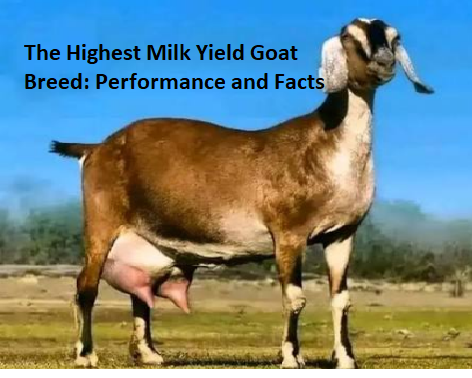
Selecting the highest milk yield goat breed is a critical decision for any dairy operation, whether you are managing a small homestead or a commercial enterprise. The Saanen goat consistently holds the title for the most prolific dairy production, often referred to as the “Holstein of the goat world.”
Understanding which animals provide the best return on feed investment allows producers to optimize their resources effectively. This article details the production capabilities of top-tier dairy breeds to help you make an informed choice for your farm.
The Saanen is widely recognized as the highest milk yield goat breed, frequently producing between 2,500 and 3,000 pounds of milk over a standard 305-day lactation period. Originating from the Saanen Valley in Switzerland, these animals have been selectively bred for generations specifically for volume and efficiency.
A mature doe in peak condition can yield anywhere from 3 to 4 quarts of milk per day, though exceptional individuals have been known to exceed these figures significantly under optimal management. Their white or cream coat and calm temperament make them a favorite among professional dairies that rely on consistent, high-volume output.
Understanding Lactation Curves
Milk production in goats does not remain static throughout the year. Most high-performing dairy breeds follow a predictable lactation curve, peaking about six to eight weeks after kidding. During this peak phase, the highest milk yield goat breed will produce the bulk of its annual volume before gradually tapering off.
Managing your herd’s nutrition during this window is essential to sustaining those high numbers. If a doe is underfed during her peak, her total annual yield will suffer regardless of her genetic potential.
Comparative Production Data
While the Saanen dominates in pure volume, other breeds compete closely depending on the specific goals of your dairy. Alpine goats, for instance, are known for their ruggedness and ability to maintain production in varying climates, often trailing the Saanen by only a small margin.
Nubians offer lower total volume but are prized for the high butterfat content in their milk, which is ideal for cheesemaking. The following table provides a general comparison of common dairy breeds based on average annual production figures.
| Breed | Avg. Annual Yield (lbs) | Butterfat Content |
|---|---|---|
| Saanen | 2,500 – 3,000 | 3.0% – 3.5% |
| Alpine | 2,200 – 2,800 | 3.2% – 3.8% |
| Nubian | 1,500 – 2,000 | 4.5% – 5.5% |
| Toggenburg | 1,800 – 2,300 | 3.0% – 3.5% |
Nutritional Requirements for High Production
Maintaining the performance of the highest milk yield goat breed requires a significant caloric intake. These animals are essentially biological machines that convert high-quality forage and concentrates into milk. If you do not provide a balanced ration of protein, energy, and minerals, the animal will draw on its own body reserves to produce milk.
This leads to rapid weight loss and potential reproductive issues in subsequent breeding cycles. You must work with a nutritionist to ensure your feed program matches the output of your herd.
Genetics and Herd Improvement
Selecting breeding stock based on performance records is the only way to ensure your herd remains productive. The American Dairy Goat Association maintains rigorous standards for milk testing, which allows you to track the genetic merit of specific bloodlines.
When looking for a doe, examine her dam’s production records to gauge her potential. Investing in progeny from proven, high-yielding lines often saves years of trial and error in your breeding program.
Environmental Factors Affecting Yield
Environment plays a massive role in whether a goat reaches its genetic potential. Heat stress is a major factor that can cause a sharp decline in daily milk production, particularly in high-yielding breeds like the Saanen.
Providing adequate shade, ventilation, and access to fresh, cool water is non-negotiable for commercial production. Even the highest milk yield goat breed will struggle to maintain peak output if it is fighting to regulate its body temperature in extreme heat.
Management Practices for Success
Consistency is the hallmark of a successful dairy operation. Goats are creatures of habit and thrive on a regular milking schedule, ideally twice per day at the same time. Frequent disruptions, such as changing milking times or moving animals between pens, can induce stress and decrease production.
By keeping a strict, predictable routine, you allow the animals to focus their energy entirely on milk synthesis. You can find more detailed guidance on herd health and management through the American Dairy Goat Association official resources.
Key Considerations for New Producers
If you are just starting your journey into goat dairying, there are several factors to weigh before choosing your breed. High-volume producers require more intensive management and higher feed costs than hardier, lower-producing breeds.
You should evaluate your local market demand to determine if you need volume or higher butterfat. Consider the following list of priorities when building your initial herd:
- Infrastructure requirements for high-volume milking
- Availability of high-quality alfalfa or legume hay
- Local demand for fluid milk versus specialized cheese
- Labor capacity for twice-daily milking schedules
- Access to veterinary support specialized in small ruminants
Managing Herd Health and Longevity
A high-producing goat is under constant metabolic stress. Regular hoof trimming, parasite management, and vaccination schedules are critical to keeping these animals in the milking line for several years.
Mastitis is the most common threat to high-yielding udders and must be monitored through regular somatic cell count testing. Early detection of health issues prevents long-term damage to the mammary tissue and ensures the animal continues to produce at a high level.
Frequently Asked Questions
Which goat breed is the most profitable?
Profitability is subjective and depends on your business model. While a Saanen provides the most volume for raw milk sales, a Nubian might be more profitable if you are producing high-end artisan cheeses that command a premium price due to higher butterfat content.
Does breed affect the flavor of the milk?
Yes, breed does influence the chemical composition of the milk, which affects the flavor profile. Breeds with higher butterfat percentages, such as the Nubian, produce milk that is typically described as richer, creamier, and more flavorful than the higher-volume, lower-fat milk of a Saanen.
How many years can a high-yielding goat produce milk?
With excellent management and nutrition, a high-performing dairy goat can remain productive for six to eight years. Some exceptional does continue to produce well into their double digits, but peak production usually occurs between the ages of three and five.
What is the most important factor for milk quality?
Nutrition is the primary driver of both quantity and quality. Providing a balanced diet that includes high-quality forage, clean water, and appropriate mineral supplementation is the most effective way to improve the composition and volume of your milk.
Can I keep just one high-producing dairy goat?
Goats are herd animals and will not thrive or produce to their full potential if kept in isolation. You should always keep at least two goats to ensure their social needs are met, which directly impacts their stress levels and overall milk production.
Conclusion
Choosing the right animal is the foundation of a successful dairy venture. While the Saanen is widely cited as the highest milk yield goat breed, you must balance raw volume against your specific goals, such as butterfat needs or local market preferences. Success requires a commitment to consistent nutrition, rigorous health management, and selective breeding based on documented performance data.
By focusing on these core principles, you position your farm to maximize the potential of your herd. Whether you prioritize volume or quality, understanding the biological demands of the highest milk yield goat breed is the first step toward building a sustainable and profitable dairy operation. Start by assessing your facility and forage capacity, then select your stock from reputable breeders who prioritize long-term health and production records.
