

Maintaining a consistent goat feeding schedule is the cornerstone of herd health, ensuring that your animals receive the precise nutrients required for growth, lactation, or maintenance. By establishing a routine, you stabilize the rumen environment, which significantly reduces the risk of digestive disorders like bloat or acidosis. Whether you are managing dairy goats, meat breeds, or small hobby herds, providing nutrition at set intervals prevents overeating and encourages efficient weight gain.
Goats typically require feeding twice daily, once in the morning and once in the evening, to mimic natural grazing behaviors while ensuring they have access to adequate forage. For dairy goats in peak lactation or growing kids, this schedule often expands to include supplemental feedings during mid-day hours.
Adult goats on pasture should have constant access to high-quality hay or forage, but grain rations must be strictly portioned according to weight and production levels. If you feed too much grain at once, you risk overwhelming the rumen bacteria, leading to severe health complications.
Understanding Rumen Health
The rumen is a complex fermentation vat that relies on a steady influx of fiber to function correctly. When you adhere to a strict goat feeding schedule, you provide the rumen microbes with a predictable source of energy and protein.
Sudden changes in diet or erratic feeding times can cause these microbial populations to crash, leading to digestive upsets. Most experts recommend keeping the ratio of forage to concentrate stable throughout the year.
If you are transitioning your goats from winter hay to spring pasture, do so over a period of at least two weeks to allow the rumen flora to adapt. A rapid change in diet is one of the most common causes of enterotoxemia in goats.
Always ensure that clean, fresh water is available at all times, as water consumption is directly linked to the amount of dry matter a goat can process. Without sufficient hydration, the rumen cannot effectively break down fibrous material.
Nutritional Requirements by Age
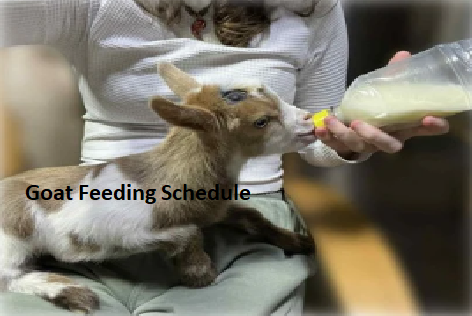
A goat’s nutritional needs change dramatically as it matures from a kid to an adult. Newborn kids require colostrum within the first hour of life, followed by a milk-based diet that transitions slowly to solid food.
By the time a goat reaches adulthood, its primary diet should consist of high-quality forage supplemented by minerals. The following table outlines the general dietary focus for different stages of a goat’s lifecycle.
| Life Stage | Primary Feed Component | Feeding Frequency |
|---|---|---|
| Newborn Kid | Colostrum / Goat Milk | 4-6 times daily |
| Weaning Kid | Milk replacer / Starter grain | 3 times daily |
| Adult Maintenance | Pasture / Grass hay | Twice daily |
| Lactating Doe | High-protein forage / Grain | Twice daily + supplements |
The Role of Forage and Hay
Forage is the foundation of any healthy goat feeding schedule because goats are natural browsers, not just grazers. They prefer to eat leaves, shrubs, and weeds over simple grass, which is why they are often used for land clearing.
When pasture is unavailable, high-quality hay is the necessary substitute. Alfalfa hay is a popular choice for lactating does due to its high protein and calcium content, but it can be too rich for dry does or bucks.
Avoid feeding moldy or dusty hay, as goats are highly susceptible to respiratory issues and listeriosis. If you are buying hay in bulk, inspect the bales for weeds or foreign objects that could cause internal injuries.
Always provide your goats with a loose mineral mix designed specifically for their species. Sheep minerals are often toxic to goats due to the presence of copper, so verify the label before purchasing any mineral supplement.
Managing Grain Rations
Grain should be treated as a supplement rather than a primary food source, except in specific cases like high-production dairy goats. A good rule of thumb is to feed no more than 0.5 to 1 pound of grain per 100 pounds of body weight per day.
Overfeeding grain can lead to obesity, urinary calculi in bucks, and metabolic issues. If your goats are maintaining a healthy body condition score on pasture and hay alone, you may not need to feed grain at all.
When you do incorporate grain, choose a balanced ration that includes ammonium chloride if you have male goats, as this helps prevent urinary stones. Introduce grain slowly, starting with a handful and gradually increasing the amount over several weeks.
Always weigh your feed rather than measuring it by volume to ensure consistency. Use a wall-mounted feeder or a trough that prevents the goats from standing in or fouling their food.
Seasonal Adjustments
Your goat feeding schedule must be flexible enough to accommodate seasonal changes in forage availability. During the summer months, lush green grass provides most of the required energy, allowing you to reduce supplemental grain.
Conversely, winter requires increased caloric intake to help the goats maintain their body temperature. You may need to increase the hay ration by 20% to 30% during extreme cold to compensate for the extra energy burned.
Keep a close eye on the body condition score of your herd during the winter months. If you notice ribs or hip bones becoming prominent, increase the energy density of the feed.
Providing a “warm mash” of soaked beet pulp or warm water can encourage hydration during freezing weather. Remember that even in winter, your goats need a clean, dry area to eat, as damp conditions increase the risk of parasites and hoof rot.
Common Feeding Mistakes to Avoid
Many owners inadvertently cause health issues by feeding kitchen scraps or garden waste without checking for toxicity. While goats are curious eaters, many common plants like azaleas, rhododendrons, and foxgloves are highly toxic.
Never feed your herd lawn clippings, as these can ferment rapidly and cause bloat. Furthermore, avoid feeding large amounts of high-sugar treats like apples or carrots, which can disrupt the rumen pH.
Consistency is more important than variety when it comes to a goat’s diet. Don’t feel pressured to rotate their feed types frequently, as the rumen requires time to adjust to new ingredients.
If you decide to switch brands of feed or types of hay, mix the old and new together over a period of at least one week. This gradual transition prevents the gut upset that often accompanies sudden dietary shifts.
Monitoring Herd Health
A well-planned goat feeding schedule is only effective if you monitor how your animals respond to it. Regular weighing or using a heart-girth tape can help you track whether your goats are gaining, losing, or maintaining weight appropriately.
A healthy goat should have a shiny coat, clear eyes, and a bright, alert demeanor. If you notice a goat standing apart from the group or refusing to eat, it may be a sign of a health issue that requires immediate attention.
Keep detailed records of your feed costs and the performance of your herd to identify trends over time. If you notice that your milk production drops during a specific month, look at your feeding records to see if a change in forage quality or quantity might be the cause.
You can find more detailed information on nutrient requirements through resources like the Penn State Extension goat management guides. Being proactive with your record-keeping allows you to make data-driven decisions for your herd.
Essential Equipment for Feeding
Having the right equipment simplifies your daily chores and ensures that feed is not wasted. Invest in sturdy, weather-resistant feeders that keep hay off the ground to prevent contamination with feces and parasites. A simple
- list of essential feeding equipment includes:
* Wall-mounted hay racks with a catch tray underneath.
* Heavy-duty plastic or metal troughs for grain.
* Automatic or scrubbable water buckets that are easy to clean.
* A dedicated scale for weighing feed rations accurately.
* Salt and mineral blocks or loose mineral feeders.
Position your feeding stations in areas that are easy for you to access, even in bad weather. If you have a large herd, ensure there is enough trough space so that every goat can eat at the same time without fighting. Dominant goats will often push others away, so having multiple feeding points can reduce stress and ensure that smaller or younger goats get their fair share of the ration.
Frequently Asked Questions
How can I tell if my goat is getting enough to eat?
Body condition scoring is the most reliable method to assess nutrition. You should be able to feel a light covering of fat over the ribs and spine, but the bones should not be sharp or overly prominent. If you can easily feel the individual vertebrae of the spine without applying pressure, the goat is likely underweight and needs more feed.
Do goats really need to be fed at the same time every day?
Yes, maintaining a consistent schedule helps keep the rumen bacteria stable. Goats are creatures of habit and will wait for their food; irregular feeding can lead to stress, which can trigger other health issues. Try to keep your feeding times within a one-hour window each morning and evening.
Can I feed my goats kitchen scraps?
It is generally better to avoid kitchen scraps entirely. Many human foods are too high in sugar or starch, and some common vegetables like onions or potatoes can be toxic. Stick to high-quality hay, pasture, and specifically formulated goat feed to ensure a balanced diet.
What should I do if a goat stops eating?
A goat that stops eating is a medical emergency, as it could indicate anything from a simple digestive upset to a severe infection or bloat. Check for signs of fever, look at the color of their gums, and inspect their manure for consistency. If the goat does not return to eating within a few hours, consult a veterinarian immediately.
Is it necessary to provide loose minerals?
Yes, goats have high mineral requirements that are rarely met by forage alone. Loose minerals are generally superior to blocks because goats may struggle to get enough from a hard block. Ensure the mineral mix is specifically labeled for goats to avoid accidental copper toxicity from sheep-formulated products.
Conclusion
Establishing a reliable goat feeding schedule is an investment in the long-term productivity and well-being of your herd. By prioritizing consistent forage quality, carefully managing grain rations, and observing the body condition of your animals, you can prevent many common metabolic and digestive issues. Remember that every herd is unique, and you should always adjust your approach based on the specific needs of your animals and the resources available on your farm.
Consistency serves as the best preventative medicine in animal husbandry. As you become more familiar with your goats’ individual needs, you will find that a well-structured feeding routine makes daily management much simpler.
Stay observant, keep your equipment clean, and always consult with a local veterinarian if you notice unexpected changes in your herd’s health. Consistent care today ensures a thriving herd tomorrow.
